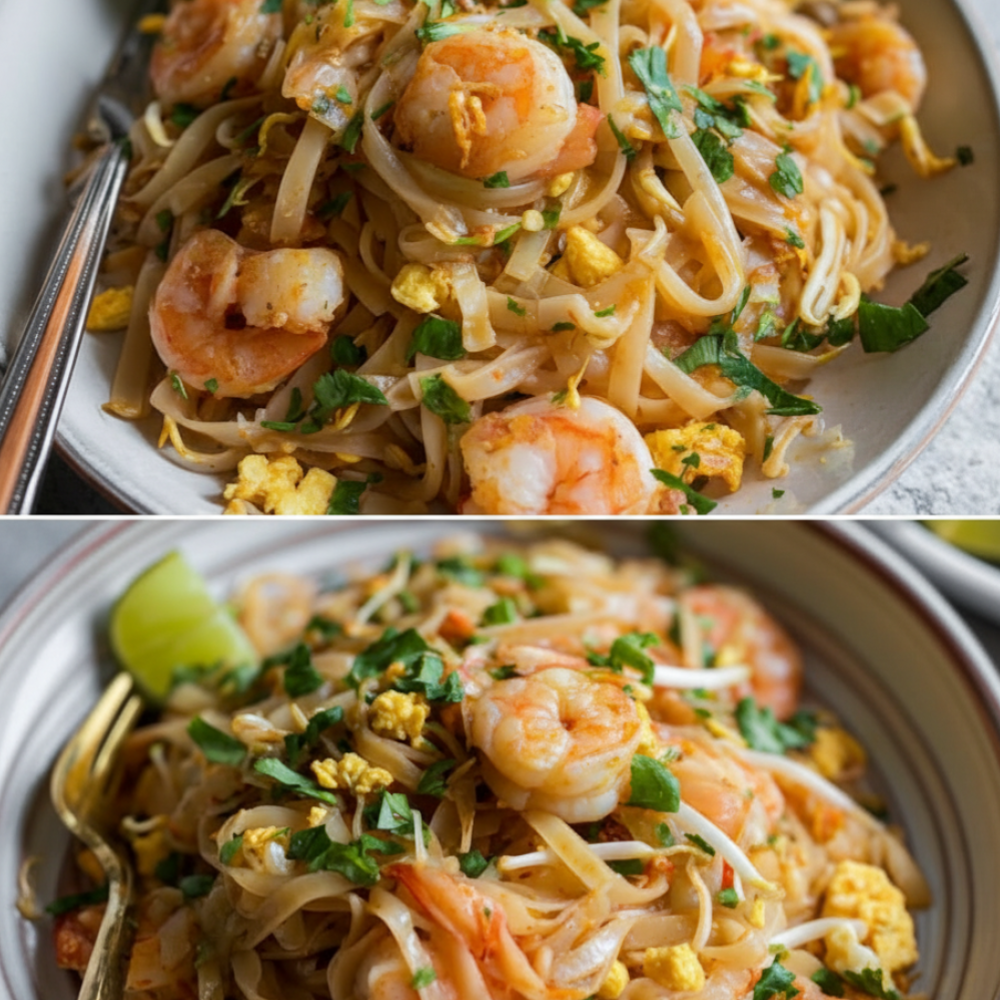
## Ultimate Shrimp Pad Thai Recipe Guide
Embark on a culinary journey to the vibrant streets of Thailand right from your own kitchen. This guide will show you how to master the art of making authentic Shrimp Pad Thai, a classic Thai noodle stir-fry renowned for its exquisite balance of sweet, sour, salty, and spicy elements. Crafting this dish at home offers a deeply satisfying experience, often proving faster and more flavorful than ordering takeout. You are about to discover the secrets to a truly authentic Thai street food experience, transforming simple ingredients into a dish bursting with complex flavors.
## Essential Ingredients for Traditional Flavors
The foundation of any great dish lies in its ingredients. For a truly traditional Pad Thai, selecting quality components is key to achieving that signature taste and texture. This prawn pad thai relies on fresh, vibrant elements that come together harmoniously.
### The Core Components
The base of this delightful prawn stir-fry relies on specific, fresh ingredients that contribute to its unique character:
* Flat Rice Noodles: These are the chewy, tender foundation of the dish. Selecting the correct width is important; medium-width flat rice noodles are typically preferred for their ability to absorb the sauce while maintaining a pleasant chew.
* Prawns: Fresh, large shrimp are ideal. They cook quickly and offer a naturally sweet flavor that complements the robust sauce. Ensure they are peeled and deveined for ease of preparation and consumption.
* Aromatics & Veggies: Fresh garlic and shallots provide a pungent, savory base, while crisp bean sprouts add essential texture and a fresh counterpoint to the rich noodles.
### The Tangy Sauce
The sauce is the heart of Shrimp Pad Thai, the element that imparts its distinctive, unforgettable flavor profile. Each component plays a crucial role in achieving that perfect sweet, sour, and savory balance:
* Tamarind Concentrate: This is absolutely essential for the authentic sour punch that defines Pad Thai. Its fruity tang is unique and cannot be perfectly replicated by other acidic ingredients.
* Fish Sauce: This ingredient is a cornerstone of Thai cuisine, adding a deep, savory umami and a salty depth that elevates the entire dish. Do not omit it for a truly traditional flavor.
* Brown Sugar: Used to balance the acidity of the tamarind and the saltiness of the fish sauce, brown sugar provides a subtle sweetness that rounds out the flavor profile.
## Step-by-Step Instructions
Preparing Shrimp Pad Thai is a quick process, especially with proper preparation. Follow these steps carefully to ensure a perfect stir-fry every time.
Step 1: Noodle Preparation
Begin by preparing the flat rice noodles. Take 8 oz of dried flat rice noodles and place them in a large bowl. Cover them with warm water and let them soak for 20 minutes. This allows them to become pliable without fully cooking, which is crucial for achieving the correct texture in the wok. Once pliable, drain the noodles thoroughly and set them aside. They should be flexible but still firm to the touch.
Step 2: Mixing the Sauce
While the noodles are soaking, prepare the essential tangy sauce. In a small bowl, combine 3 tbsp of tamarind concentrate, 3 tbsp of fish sauce, 3 tbsp of brown sugar, and 1 tbsp of sriracha. Whisk these ingredients together until the sugar is fully dissolved and the sauce is well combined. This mixture is what will infuse your stir-fried noodles with their signature flavor.
Step 3: Searing the Seafood
Heat 2 tbsp of vegetable oil in a large wok over medium-high heat. Once the oil is shimmering, add 1 lb of large shrimp, which should be peeled and deveined. Cook the shrimp for approximately 2 minutes per side, or until they turn opaque and pink. Avoid overcooking, as shrimp can become tough quickly. Once cooked, remove the shrimp from the wok and set them aside on a plate.
Step 4: Aromatics and Eggs
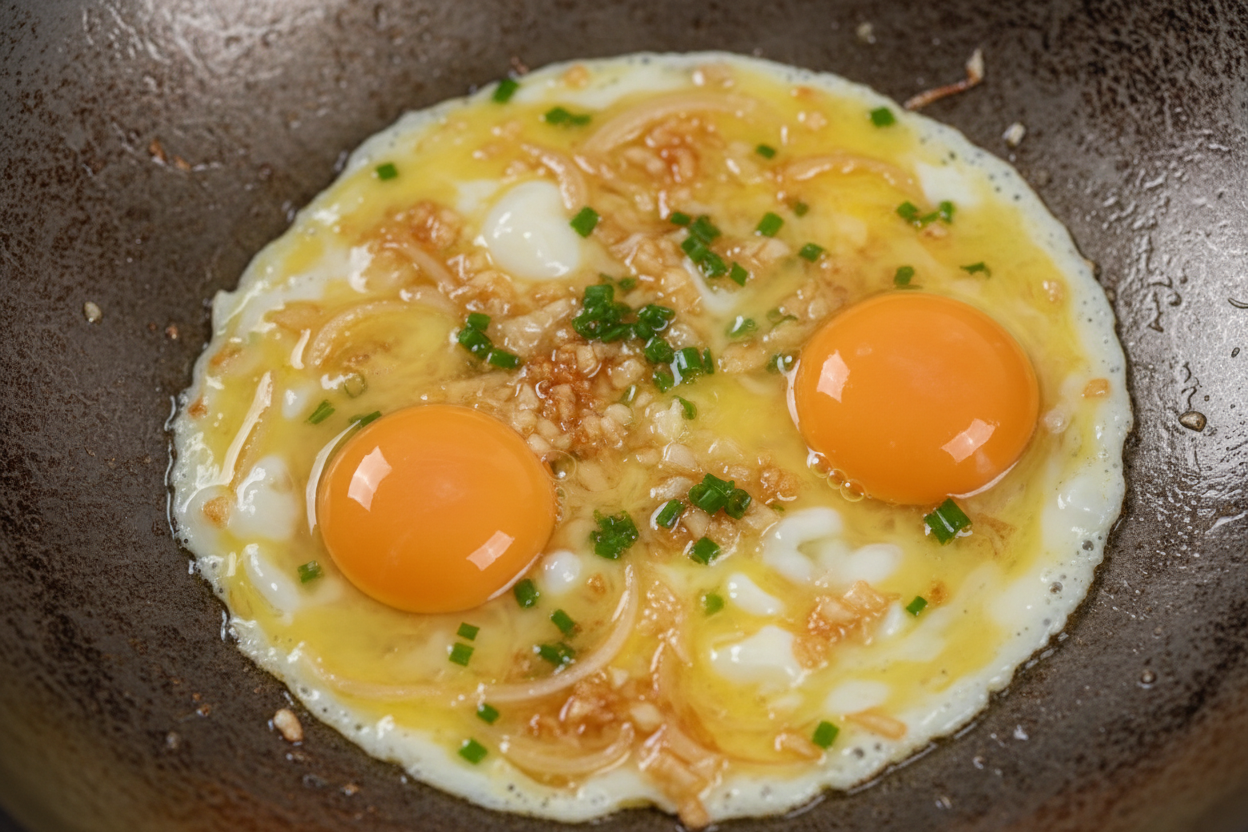
Using the same wok, which should still have a thin layer of oil and flavor from the shrimp, add 2 minced garlic cloves and 1 minced shallot. Stir-fry these aromatics for about 30 seconds until they become fragrant, being careful not to burn the garlic. Push the fragrant aromatics to one side of the wok, creating an empty space. Pour 2 lightly beaten eggs into this clear space and scramble them until they are just set but still slightly moist. This adds richness and another layer of texture to the dish.
Step 5: Bringing It Together
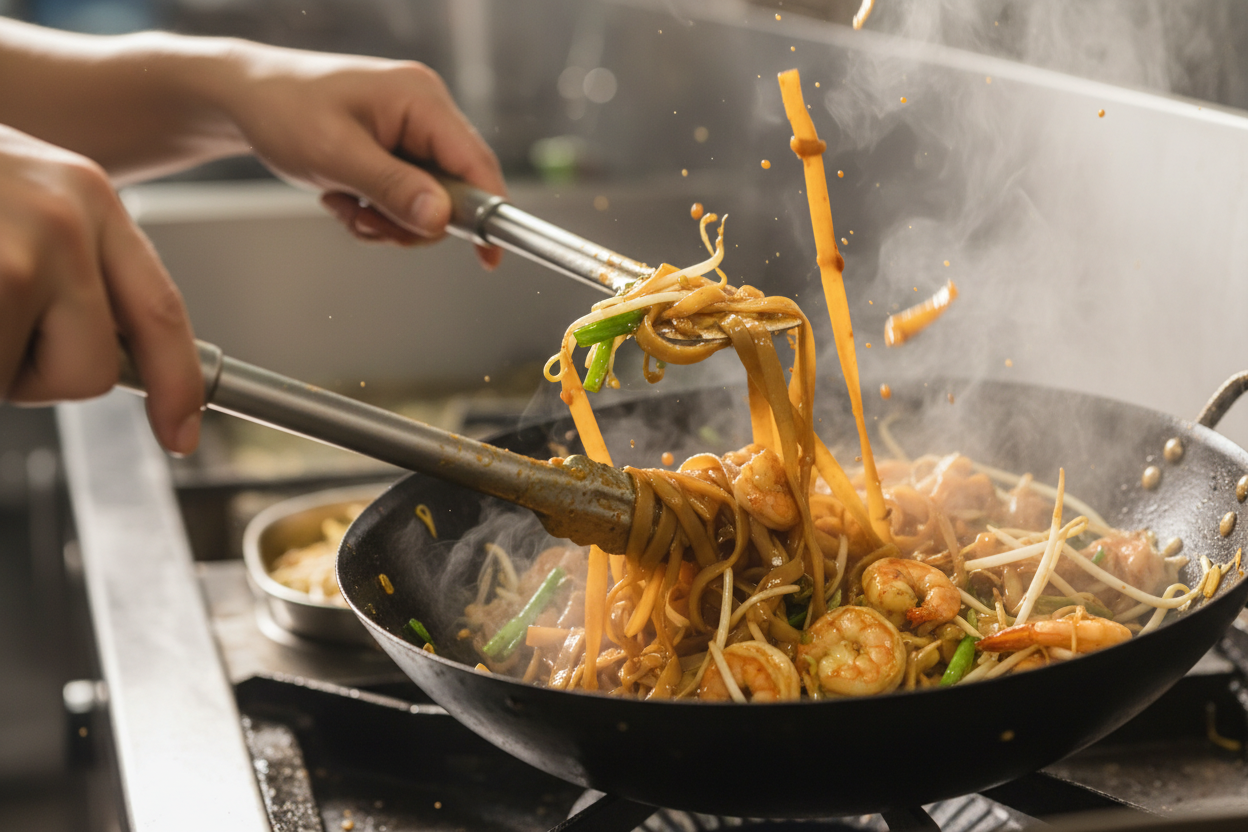
Now, add the drained flat rice noodles and the prepared Pad Thai sauce from Step 2 into the wok with the aromatics and eggs. Toss all the ingredients continuously with tongs or a spatula. Continue to stir-fry for about 3 minutes, ensuring the noodles are fully coated in the sauce and become tender, absorbing the flavors. This is where the magic of wok cooking truly integrates all components.
Step 6: Final Toss and Garnish
Return the cooked shrimp to the pan. Add 2 cups of fresh bean sprouts. Toss all ingredients together for just 1 minute more, allowing the shrimp to heat through and the bean sprouts to warm slightly while retaining their crispness. Serve the Shrimp Pad Thai immediately. Garnish each serving generously with 1/2 cup of chopped fresh cilantro, 1/4 cup of crushed roasted peanuts, and 1 lime cut into wedges. The lime juice squeezed over the top provides a final burst of freshness and acidity.
## Pro Cooking Tips for Wok Success
Achieving perfect Shrimp Pad Thai, especially using wok cooking techniques, requires attention to detail. These professional tips will ensure your stir-fried noodles come out perfectly every time.
* Mise en Place is Crucial: Stir-frying is a rapid cooking method. It is imperative to have all your ingredients measured, chopped, and ready to go before you even turn on the heat. This proactive approach, known as “mise en place,” prevents burning and ensures a smooth cooking process. Once the wok is hot, there is no time to chop or measure.
* Noodle Texture Mastery: For the perfect flat rice noodles, remember not to boil them. Soaking in warm water, as directed in Step 1, is the correct method. Boiling can make them too soft, leading to a mushy texture when they are stir-fried in the wok. Properly soaked noodles will achieve the ideal tender-chewy consistency.
* High Heat, Quick Cooking: Ensure your wok is properly preheated to medium-high heat before adding ingredients. High heat is essential for effective wok cooking, searing proteins quickly and preventing the noodles from sticking or becoming waterlogged. Work in batches if your wok is not large enough to avoid overcrowding, which can lower the temperature and steam the ingredients instead of stir-frying them.
## Customizations and Dietary Variations
The beauty of Shrimp Pad Thai lies in its versatility. While this recipe focuses on succulent shrimp, you can easily adapt it to suit different preferences or dietary needs without sacrificing flavor.
* Protein Swaps: If shrimp is not your preferred protein, you have several excellent alternatives. You can easily substitute the seafood with an equal amount of thinly sliced chicken breast or thigh. For those who prefer red meat, thinly sliced beef chuck works wonderfully, adding a robust flavor that stands up well to the rich sauce. Tofu is also a popular choice for an added protein boost.
* Vegetarian Option: To create a delicious vegetarian version, simply omit the shrimp entirely. For a robust flavor, replace the fish sauce with a vegan mushroom-based sauce or a high-quality vegetarian stir-fry sauce to maintain that savory umami depth. Additionally, you can incorporate extra-firm tofu, pressed and cubed, stir-fried until golden brown, to replace the protein element. Add extra vegetables like carrots, bell peppers, or snow peas for more variety.
## Frequently Asked Questions
Understanding common questions can help refine your Shrimp Pad Thai cooking technique and confidence.
* Can I use rice vinegar if I don’t have tamarind concentrate?
While tamarind concentrate is strongly preferred for its unique, complex sourness that is characteristic of authentic Pad Thai, a combination of rice vinegar and a splash of lime juice can serve as an emergency substitute. However, be aware that the flavor profile will not be identical, as tamarind offers a fruitier and more nuanced tang. Adjust quantities gradually to taste.
* How do I prevent my noodles from clumping together?
The key is proper soaking and draining. Ensure your flat rice noodles are thoroughly drained after soaking. When adding them to the wok, make sure the wok is hot and well-oiled, and toss them continuously. If they still seem to stick, a tiny splash of oil or water can help loosen them while stir-frying. Do not overcrowd the wok.
* How to store leftovers?
Leftover Shrimp Pad Thai can be stored in an airtight container in the refrigerator for up to 2 days. To reheat, gently warm in a pan or microwave, adding a splash of water or broth to help soften the noodles and prevent them from drying out. Be mindful not to overcook the shrimp when reheating.
* What if I don’t have a wok?
While a wok is ideal for stir-frying due to its high heat retention and shape, a large, heavy-bottomed non-stick skillet or a cast-iron pan can also be used effectively. Ensure your pan is large enough to handle all ingredients without overcrowding, and maintain a high heat for optimal results.
* Why are roasted peanuts important?
Crushed roasted peanuts provide a crucial textural contrast and a rich, nutty flavor that complements the sweet, sour, and savory notes of Pad Thai. They add a satisfying crunch and depth, making them an indispensable garnish for an authentic experience.
We hope this guide empowers you to create exceptional Shrimp Pad Thai at home. Enjoy the rich flavors and vibrant textures of this beloved Thai dish.
For more authentic Thai recipes and cooking tips, follow us on Facebook. You can find our page here: Our Facebook Page. Join our community and share your culinary adventures with us.
Authentic Thai Stir-Fried Noodles with Prawns
Ingredients
- 8 oz dried flat rice noodles soaked in warm water
- 1 lb large shrimp peeled and deveined
- 2 tbsp vegetable oil divided use
- 2 cloves garlic minced
- 1 whole shallot minced
- 2 whole large eggs lightly beaten
- 2 cups fresh bean sprouts rinsed
- 0.5 cup fresh cilantro chopped
- 0.25 cup roasted peanuts crushed
- 1 whole lime cut into wedges
- 3 tbsp tamarind concentrate for the sauce
- 3 tbsp fish sauce for the sauce
- 3 tbsp brown sugar for the sauce
- 1 tbsp sriracha optional, for the sauce
Instructions
- Soak 8 oz of dried flat rice noodles in warm water for 20 minutes until pliable, then drain and set aside.
- In a small bowl, whisk together 3 tbsp tamarind concentrate, 3 tbsp fish sauce, 3 tbsp brown sugar, and 1 tbsp sriracha.
- Heat 2 tbsp vegetable oil in a large wok over medium-high heat. Add 1 lb large shrimp (peeled and deveined) and cook for 2 minutes per side until pink, then remove and set aside.
- In the same wok, add 2 minced garlic cloves and 1 minced shallot, stirring for 30 seconds until fragrant. Push the aromatics to one side, pour 2 lightly beaten eggs into the empty space, and scramble until just set.
- Add the drained rice noodles and the prepared sauce to the wok, tossing continuously for 3 minutes until the noodles are tender.
- Return the cooked shrimp to the pan along with 2 cups fresh bean sprouts. Toss for 1 minute to heat through. Serve immediately, garnished with 1/2 cup chopped fresh cilantro, 1/4 cup crushed roasted peanuts, and 1 lime cut into wedges.
For more daily recipes and tips, follow us on Facebook!
Click here to join our community!