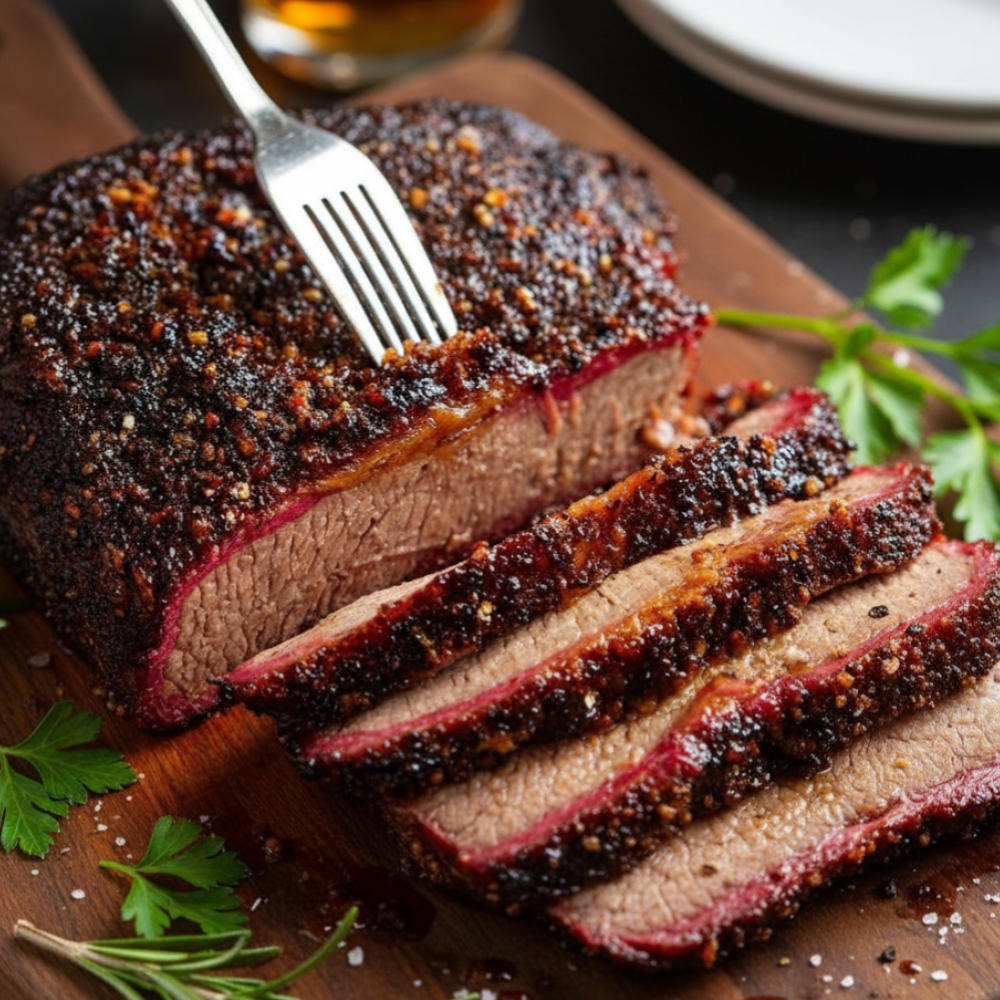
When most people think of corned beef, they often picture a slow-boiled, savory dish reserved solely for St. Patrick’s Day. But preparing a Smoked Corned Beef Brisket transforms this traditional cut into something entirely different: a wildly tender, bark-crusted masterpiece that rivals the best homemade pastrami you’ve ever tasted. This preparation method marries the salty, cured richness of the brisket with deep, wood-fired flavor, making it a standout for any occasion, not just a holiday.
Imagine a rich, smoky aroma filling your backyard, followed by the revelation of a deeply colored, perfectly tender slice of beef. This isn’t just a meal; it’s an experience. Forget everything you thought you knew about this classic cut, because we’re about to embark on a culinary journey that will change your perception forever.
Why Smoke Instead of Boil?
Traditional boiling or simmering is a time-honored method that ensures a tender bite, but it can, unfortunately, wash out some of the bold, complex flavors from the curing process. While perfectly acceptable for a quick and simple meal, it often leaves the meat lacking the profound depth that true low and slow cooking can provide. This is precisely where smoking takes the stage.
Smoking the beef low and slow seals in the intricate spices and the natural beefy flavor, creating an incredible, almost caramelized crust known as the bark. This bark is a treasure trove of flavor and texture, something entirely absent in boiled preparations. Furthermore, the constant infusion of wood smoke permeates every fiber of the meat, building a complexity that simply cannot be achieved through other methods. A secondary braising step, which we’ll delve into shortly, guarantees that even with the smoking, the brisket remains unbelievably moist and melt-in-your-mouth tender, truly offering the best of both worlds.
Essential Ingredients and Cuts
The journey to a perfect smoked corned beef begins with selecting the right cut of beef and the proper seasonings. While corned beef is pre-cured, there are nuances that can elevate your final dish.
Choosing Your Brisket
You have two main choices when selecting your corned beef brisket, each offering a distinct experience:
- The Flat: This cut is leaner and generally more uniform in thickness. It yields beautiful, consistent slices, making it perfect for elegant plating, precise sandwich stacking, or any presentation where visual appeal is paramount. Its lower fat content means it can be slightly less forgiving, but with careful cooking, it remains incredibly tender.
- The Point: This end is typically fattier, richer, and boasts more connective tissue. While less uniform for slicing, it’s the ideal choice if you’re aiming for ultra-moist, pull-apart, or shredded beef. The extra fat renders down beautifully, keeping the meat incredibly juicy and flavorful. Many prefer the point for its unctuous texture and robust beefy flavor profile.
Flavor Foundation: Spices and Aromatics
For a complete and unforgettable flavor profile, you’ll need a few key components:
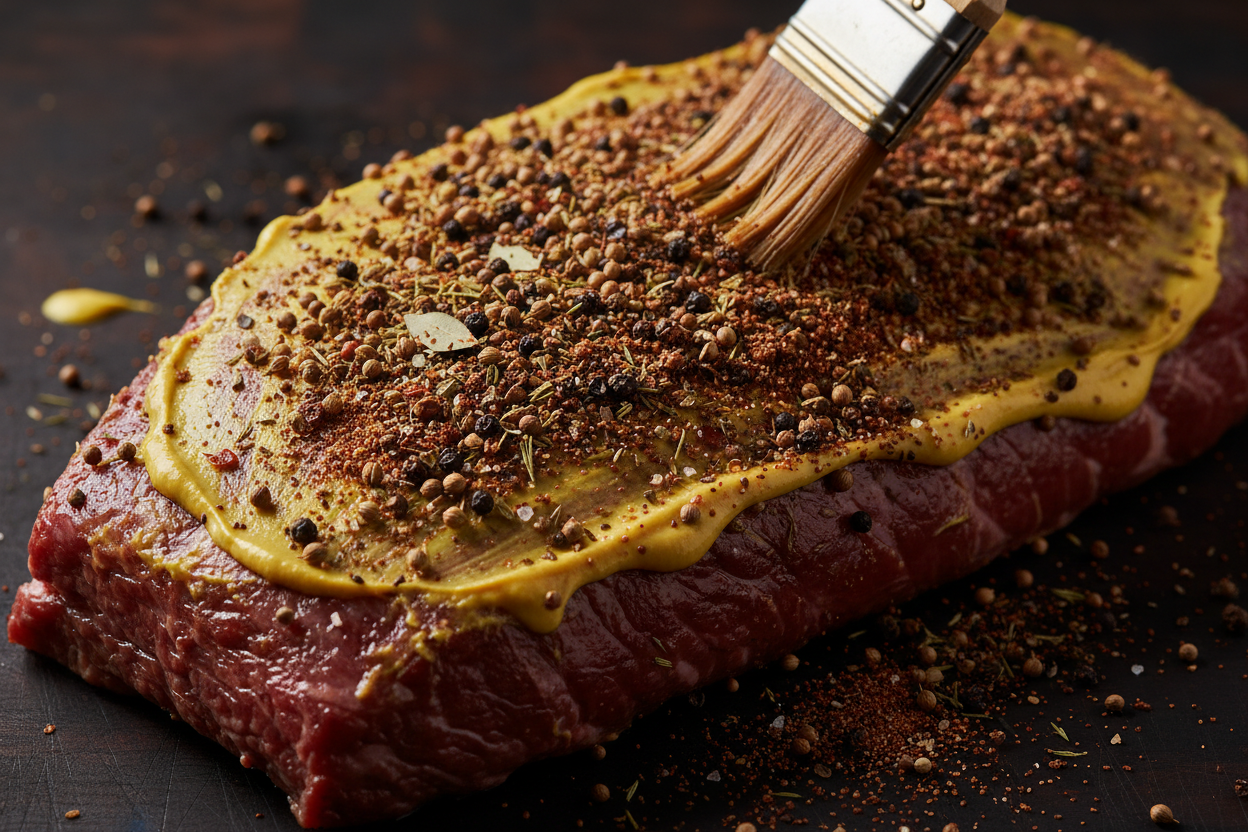
- Pickling Spices: Often, pre-packaged corned beef comes with a small packet of pickling spices. Do not discard these! They are a fantastic base for your rub. If your package doesn’t include them, or if you prefer to make your own `pickling spice rub`, a blend of mustard seeds, coriander seeds, peppercorns, allspice, cloves, and bay leaves is perfect. Freshly toasted and ground spices will always yield the most vibrant flavor.
- High-Quality Binder: To help your spice rub adhere and create an even bark, a binder is crucial. Stone-ground or Dijon mustard works wonders here, adding a subtle tang that complements the cured beef beautifully. You can also use a thin layer of olive oil if mustard isn’t to your taste.
- Fresh Aromatics: During the braising stage, fresh aromatics like parsley, rosemary, and even thyme sprigs contribute an incredible depth of herbaceous flavor. Sliced onions, garlic cloves, and bay leaves are also excellent additions to your braising liquid.
Step-by-Step: Perfecting the Process
Achieving that perfect balance of smoky flavor and melt-in-your-mouth tenderness requires attention to detail and a methodical approach. Follow these steps for an outstanding `corned beef brisket recipe`.
1. The Crucial Soak
Corned beef, by definition, is aggressively cured with salt. This curing process is what gives it its distinctive flavor and color. However, if you move it directly from the package to the smoker, it will likely be overwhelmingly salty – to the point of being unpalatable for many. This is where the crucial soak comes in.
To draw out the excess sodium and balance the final flavor, place the brisket in a large container or clean sink, cover it completely with cold water, and let it soak for 2 to 3 hours. It is absolutely essential to change the water every hour. You’ll be surprised at how quickly the water becomes cloudy and salty, indicating that the brine is doing its job. This simple step is non-negotiable for a truly delicious outcome.
2. Preparing for the Smoke
After the soak, pat the brisket thoroughly dry with paper towels. A dry surface is critical for developing a good bark. Now, it’s time for the `pickling spice rub`. Apply a thin, even layer of your chosen binder (mustard works best) all over the brisket. Then, generously coat the entire surface with your pickling spices. Don’t be shy; this is where a lot of your flavor will come from. Press the spices gently to ensure they adhere well.
3. Choosing the Right Wood
The wood you select for smoking will dramatically impact the final flavor profile of your `low and slow smoked beef`. Experimentation is key to finding your personal favorite, but here are some excellent starting points:
- Hickory: This is a classic choice for a reason. Hickory delivers a robust, strong BBQ flavor that stands up exceptionally well to the rich, cured beef. It imparts a traditional, hearty smoke character that many associate with premium smoked meats.
- Cherry: For a milder, slightly sweeter smoke, cherry wood is a fantastic option. Beyond its delicate flavor, cherry also imparts a beautiful mahogany color to the bark, making your brisket visually stunning. It’s a great choice if you prefer a less intense smoke profile.
- Oak: Offering a balanced, medium-smoke option, oak allows the intricate flavors of the pickling spices and the beef itself to shine through without being overpowered. It’s a versatile wood that consistently delivers excellent results.
- Blends: Don’t hesitate to blend woods! A mix of oak and cherry can provide a wonderful balance of color, sweetness, and depth. For a `pellet grill corned beef`, this is as simple as filling your hopper with your chosen blend of pellets.
4. The Two-Step Cooking Method: Smoke, Then Braise
To achieve the ultimate combination of deep smoke flavor and extreme tenderness, we employ a two-step cooking method. This ensures a fantastic bark and a moist, fall-apart interior, truly elevating this `St. Patrick’s Day smoker recipe`.
- The Smoke (Phase 1): Preheat your smoker or `pellet grill corned beef` setup to a consistent 250°F (121°C). Once stable, place the unwrapped brisket directly on the grates. Smoke the brisket until its internal temperature reaches 160°F (71°C). This initial phase is crucial for developing that flavorful bark and allowing the meat to absorb a significant amount of smoke. Depending on the size of your brisket, this can take anywhere from 4 to 6 hours. Monitor the bark; it should be dark and firm.
- The Braise (Phase 2): Once the brisket hits 160°F, it’s time for the braising stage. Carefully transfer the brisket to a sturdy aluminum foil pan. Add a flavorful braising liquid – beef broth, dark stout (such as Guinness), hard apple cider, or even a mix of these are excellent choices. The liquid should come up about halfway to two-thirds of the way up the sides of the brisket. Tuck in fresh aromatics like rosemary sprigs, bay leaves, and sliced onions into the liquid.
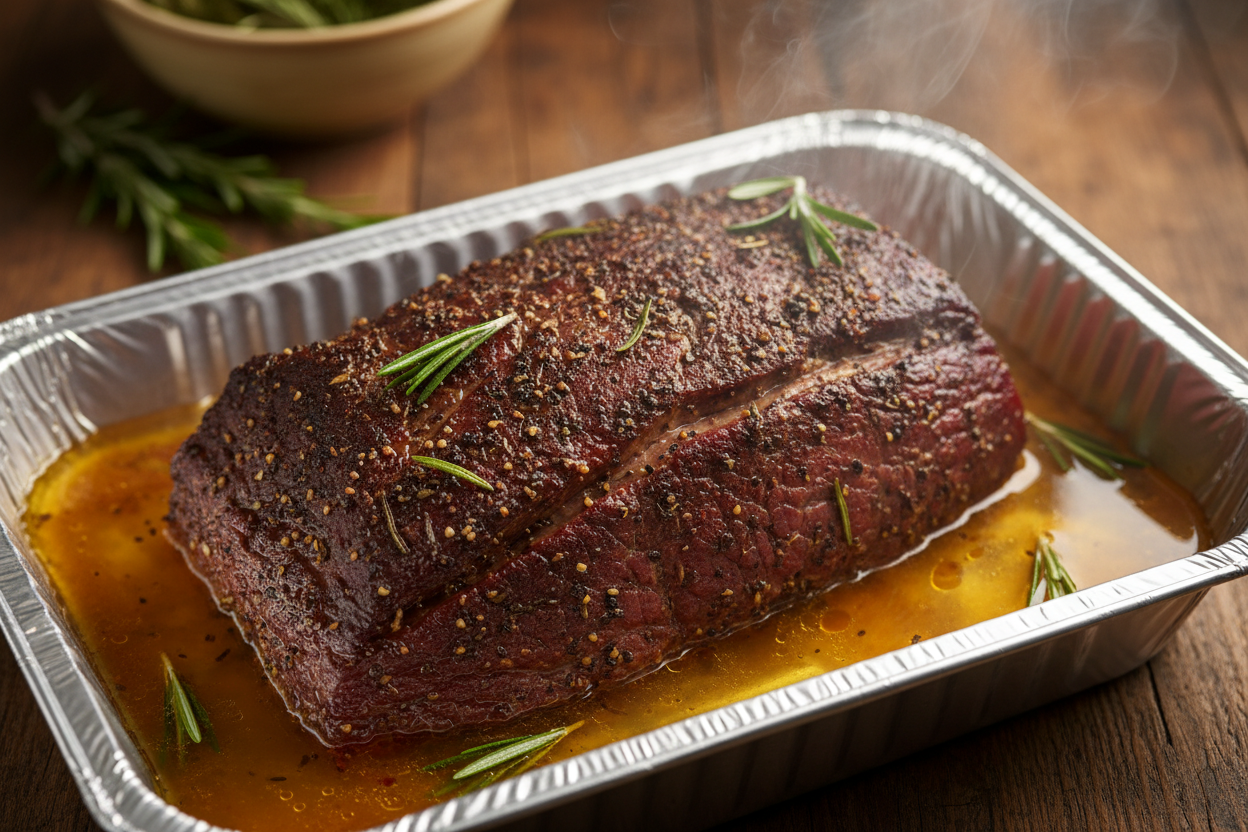
Expert Tip: For an extra layer of flavor during the braise, consider adding a tablespoon of whole pickling spices to the braising liquid. This will infuse the meat with even more of those classic corned beef notes.
Cover the pan tightly with heavy-duty aluminum foil. You want to create a steamy, enclosed environment. Return the covered pan to the smoker (or you can transfer it to an oven preheated to 250°F/121°C if you prefer). Continue cooking until the internal temperature of the brisket reaches a probe-tender 200°F–205°F (93°C–96°C). This can take an additional 3 to 5 hours. The meat should feel like soft butter when probed with a thermometer. This gentle, moist cooking environment is what transforms it into perfect braised corned beef.
5. Rest and Revel
The final, and arguably one of the most important, steps is resting. Once your brisket reaches its target temperature and is probe-tender, remove it from the smoker or oven. Keep it covered in the foil pan, or wrap it further in butcher paper and then a towel, and let it rest for at least 30 to 45 minutes, or even up to an hour. This critical resting period allows the muscle fibers to relax and the juices to redistribute throughout the meat, ensuring every slice is incredibly moist and flavorful. Skipping this step is a common mistake that can lead to dry results.
Slicing and Serving Suggestions
When you’re ready to serve your magnificent smoked corned beef brisket, make sure you have a sharp slicing knife. Find the grain of the meat – the direction the muscle fibers run – and slice perpendicular to it, against the grain. Cutting against the grain shortens the muscle fibers, resulting in a perfectly tender, easy-to-chew bite. If you cut with the grain, the slices will be stringy and tough.
The versatility of this smoked beef masterpiece is astounding. Serve your smoked corned beef brisket as the star of a meal alongside classic accompaniments like roasted cabbage wedges, tender carrots, and creamy mashed potatoes. For a truly unbeatable experience, pile thinly sliced beef high on marbled rye bread with Swiss cheese, tangy sauerkraut, and a generous dollop of homemade Russian dressing for an ultimate homemade Reuben sandwich. It also makes for incredible hash the next morning, or a unique addition to tacos or sliders. No matter how you serve it, this smoked corned beef will become a cherished recipe in your culinary repertoire.
Want to see more of our delicious smokehouse creations and culinary adventures? Follow us on Facebook for daily inspiration and behind-the-scenes peeks!
https://www.facebook.com/profile.php?id=61568538666337
Smoked Corned Beef Brisket
Ingredients
- 3-4 lbs Corned beef brisket Flat or point cut
- 2 tbsp Yellow or Dijon mustard Used as a binder
- 2 tbsp Pickling spice Coarsely cracked
- 2 tbsp BBQ spice rub Low-sodium preferred
- 1 cup Beef broth
- 2 sprigs Fresh rosemary
- 1 tbsp Fresh parsley Chopped for garnish
Instructions
- Remove the corned beef brisket from its packaging and rinse it. Submerge the brisket in a large bowl of cold water and soak for 2 to 3 hours in the refrigerator, changing the water every hour to remove excess curing salt.
- Preheat your smoker to 250°F, using hickory or cherry wood.
- Remove the brisket from the water and pat it completely dry with paper towels.
- Brush the entire surface of the brisket with mustard, then coat evenly with the pickling spice and BBQ rub.
- Place the brisket directly on the smoker grates, fat side up. Smoke for 3 to 4 hours, or until the internal temperature reaches 160°F and a solid bark has formed.
- Transfer the brisket to an aluminum foil pan. Pour the beef broth into the pan and add the fresh rosemary sprigs.
- Cover the pan tightly with heavy-duty aluminum foil and return it to the smoker. Increase the smoker temperature to 275°F.
- Continue cooking for another 2 to 3 hours, until a meat thermometer inserted into the thickest part reads between 200°F and 205°F and the meat feels tender.
- Remove the pan from the smoker and let the brisket rest, still covered, for at least 30 to 45 minutes.
- Transfer the brisket to a cutting board, slice against the grain, garnish with fresh parsley, and serve.
For more daily recipes and tips, follow us on Facebook!
Click here to join our community!