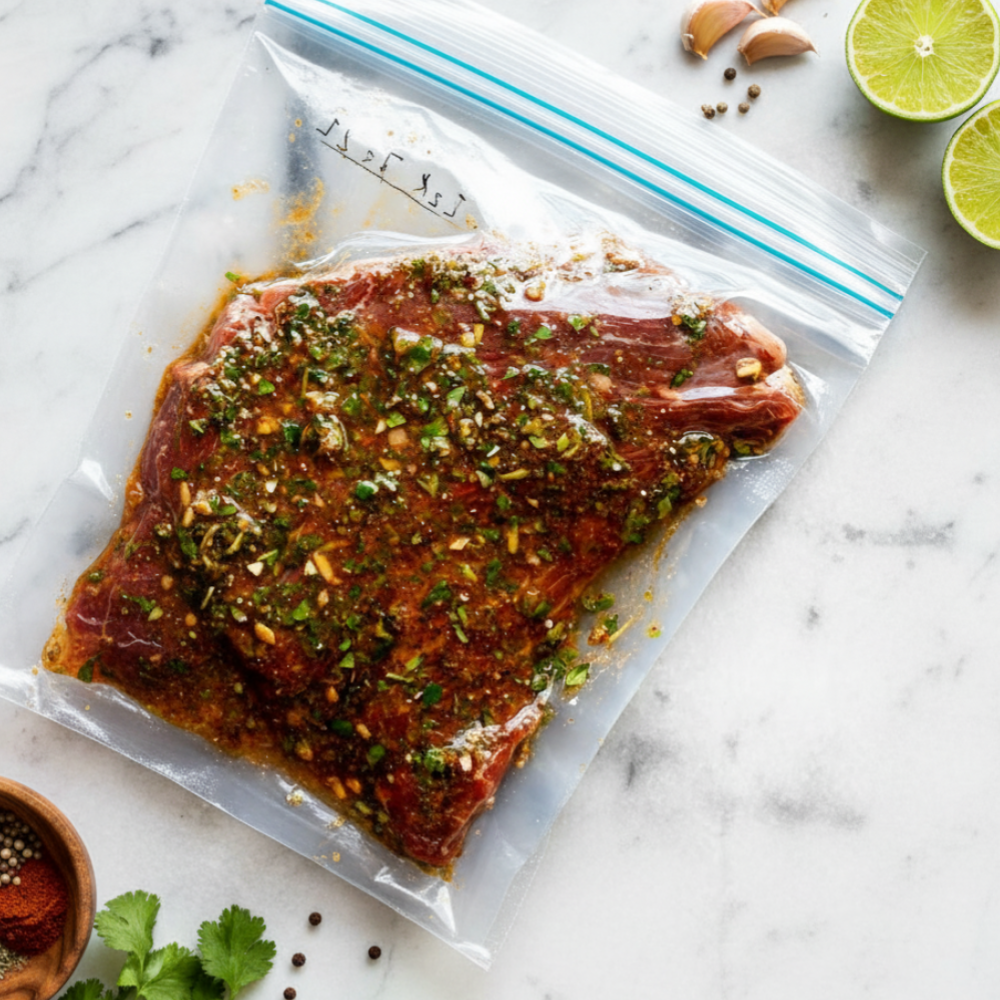
There’s nothing quite like the sizzle and aroma of homemade fajitas, and the secret to truly outstanding fajitas lies in a phenomenal steak fajita marinade. Forget bland, dry slices of beef; a well-crafted marinade transforms even the toughest cuts into tender, flavor-packed strips that burst with vibrant Mexican-inspired tastes. Today, we’re diving deep into creating a marinade that will elevate your fajita game from good to absolutely unforgettable. Get ready to impress everyone at your table!
Why This Marinade Works
Our marinade isn’t just about adding flavor; it’s a culinary powerhouse designed to achieve that perfect fajita texture and taste. It’s a symphony of acidic tenderizers, aromatic spices, and a touch of fat to carry all those wonderful flavors deep into the beef. This meticulous balance ensures every bite is juicy, savory, and has that signature fajita zest.
The Science of Tenderizing Beef
The magic of a great marinade begins with its ability to tenderize. For cuts like flank or skirt steak, which are lean and can be tough if not treated properly, a good marinade is crucial. Our special blend utilizes the power of citrus steak marinade ingredients, primarily lime juice, to gently break down the muscle fibers in the beef. The acids in the citrus juices cause the proteins to denature, effectively relaxing them and making the beef incredibly tender. This process also helps the meat absorb more moisture and flavor, preventing it from drying out during high-heat cooking. Think of it as a preemptive strike against chewiness, ensuring your beef is delightfully succulent. This technique is key to getting that melt-in-your-mouth texture when you tenderize flank steak, or any other lean cut destined for the skillet.
Essential Ingredients for Fajita Marinade
Crafting the perfect marinade is all about balance. We combine fresh, vibrant elements with a robust spice blend to create a flavor profile that is both complex and incredibly inviting.
Fresh Juices and Oil
At the heart of our Mexican beef marinade are fresh citrus juices. We specifically recommend freshly squeezed lime juice for its bright acidity and distinctive zest, which is a cornerstone of authentic fajita seasoning. Some recipes might also call for a touch of orange juice to add a subtle sweetness and further aid in tenderization without overwhelming the lime. Alongside the citrus, a good quality oil, such as olive oil, is essential. The oil helps emulsify the marinade, coating the beef evenly and acting as a carrier for the fat-soluble flavor compounds from the spices. It also contributes to a beautiful sear and prevents the beef from sticking to the cooking surface.
The Spice Blend: Paprika, Turmeric, and Peppercorns
The soul of any authentic fajita seasoning lies in its spices. Our blend creates a rich, smoky, and slightly earthy profile that perfectly complements the beef. Here’s what makes it sing:
- Smoked Paprika: This is a non-negotiable. It provides a deep, smoky undertone and a beautiful reddish hue, adding significant depth of flavor that is truly characteristic of great fajitas.
- Cumin: Earthy and warm, cumin is a quintessential spice in Mexican cuisine. It brings a savory richness that ties all the other flavors together.
- Garlic Powder & Onion Powder: These provide a foundational aromatic base without the moisture of fresh garlic and onion, which can burn during high-heat cooking.
- Chili Powder: A blend of various chilis and spices, it adds a gentle heat and another layer of complexity. Adjust to your preference for spice.
- Turmeric: While not always traditional in every fajita recipe, a pinch of turmeric adds a wonderful warmth, a subtle earthy note, and a beautiful golden color. It’s a secret ingredient for many expert chefs to deepen the overall flavor profile.
- Freshly Cracked Black Peppercorns: Always use freshly ground for the best aroma and pungent kick.
- Salt: Crucial for seasoning the beef from within and enhancing all the other flavors.
Choosing the Right Cut of Beef
While our marinade can work wonders on various cuts, selecting the right type of beef is paramount for achieving those classic fajita textures and flavors. For fajitas, you want a cut that’s relatively lean but still has some beefy flavor and can withstand high-heat cooking.
Flank Steak vs. Skirt Steak
These two cuts are the reigning champions of the fajita world, and for good reason. Both are lean, flavorful, and benefit immensely from marinating and quick cooking over high heat.
- Flank Steak: Known for its robust beefy flavor and pronounced grain, flank steak is a fantastic choice. It’s relatively flat and wide, making it easy to slice against the grain for maximum tenderness after cooking. Our beef flank steak marinade is specifically formulated to penetrate its fibers, ensuring a tender and juicy result. It’s a versatile cut that holds up well to grilling, searing, or broiling.
- Skirt Steak: This cut is often considered the traditional choice for fajitas due to its rich, intense beef flavor and slightly looser, more open grain structure, which allows it to absorb marinades beautifully. There are two types: inside skirt and outside skirt. The outside skirt is generally preferred for its tenderness and flavor. A good skirt steak marinade will bring out the best in this cut, making it incredibly flavorful and juicy. Skirt steak tends to cook even faster than flank due to its thinner profile.
No matter which you choose, the key is to slice the cooked beef against the grain into thin strips. This shortens the muscle fibers, making the beef much easier to chew and enjoy.
Step-by-Step Marinating Instructions
Now that you have your perfect marinade ingredients and chosen beef, let’s get down to the business of marinating! This process is straightforward but critical for flavor and tenderness.
Prepare the Beef: Pat your chosen beef cut (flank or skirt steak) thoroughly dry with paper towels. This helps the marinade adhere better and prevents dilution. If your beef is very thick, you can lightly score it in a crosshatch pattern on both sides to help the marinade penetrate deeper, but this is optional, especially for thinner skirt steak.
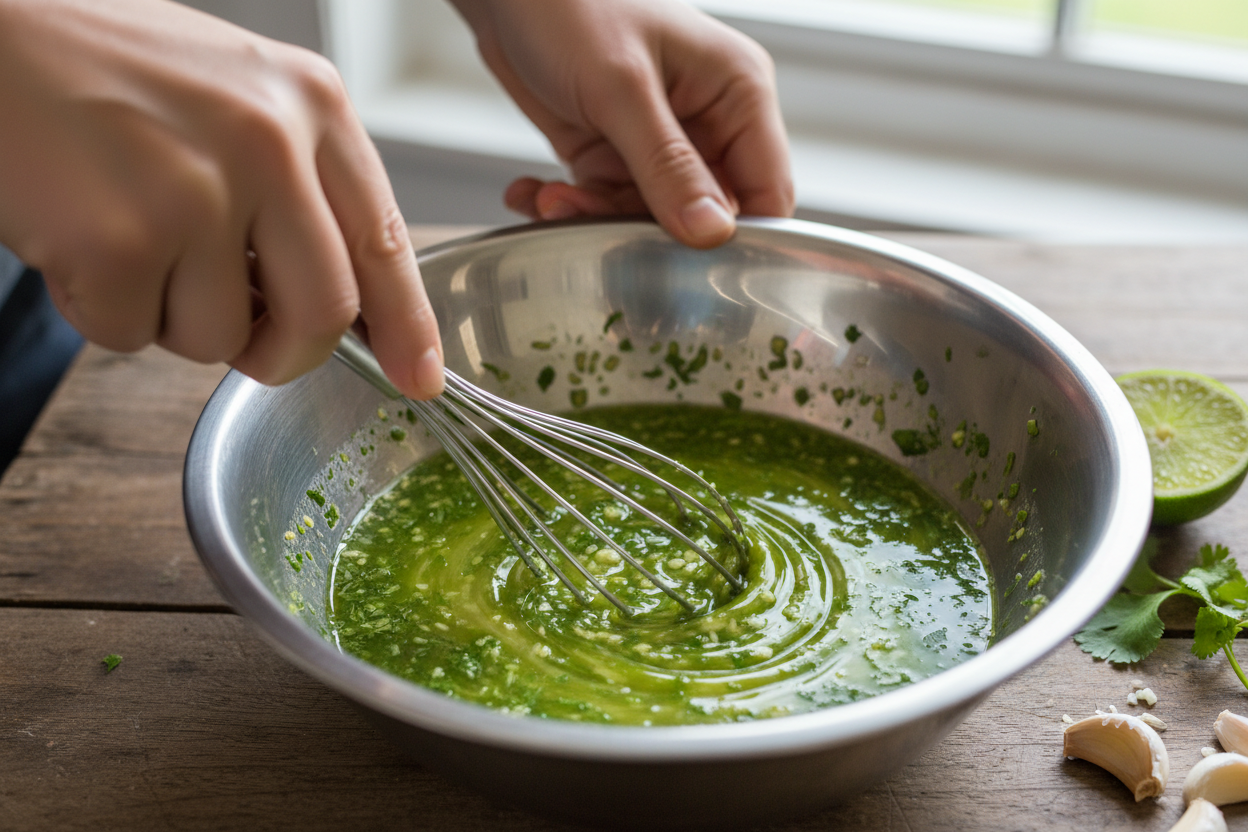
Whisk the Marinade: In a medium non-reactive bowl (glass, ceramic, or plastic), combine all the marinade ingredients: fresh lime juice, olive oil, smoked paprika, cumin, chili powder, garlic powder, onion powder, turmeric, black pepper, and salt. Whisk everything together thoroughly until well combined. Taste a tiny bit and adjust salt or spice if necessary – remember, it will be diluted by the beef’s juices slightly.
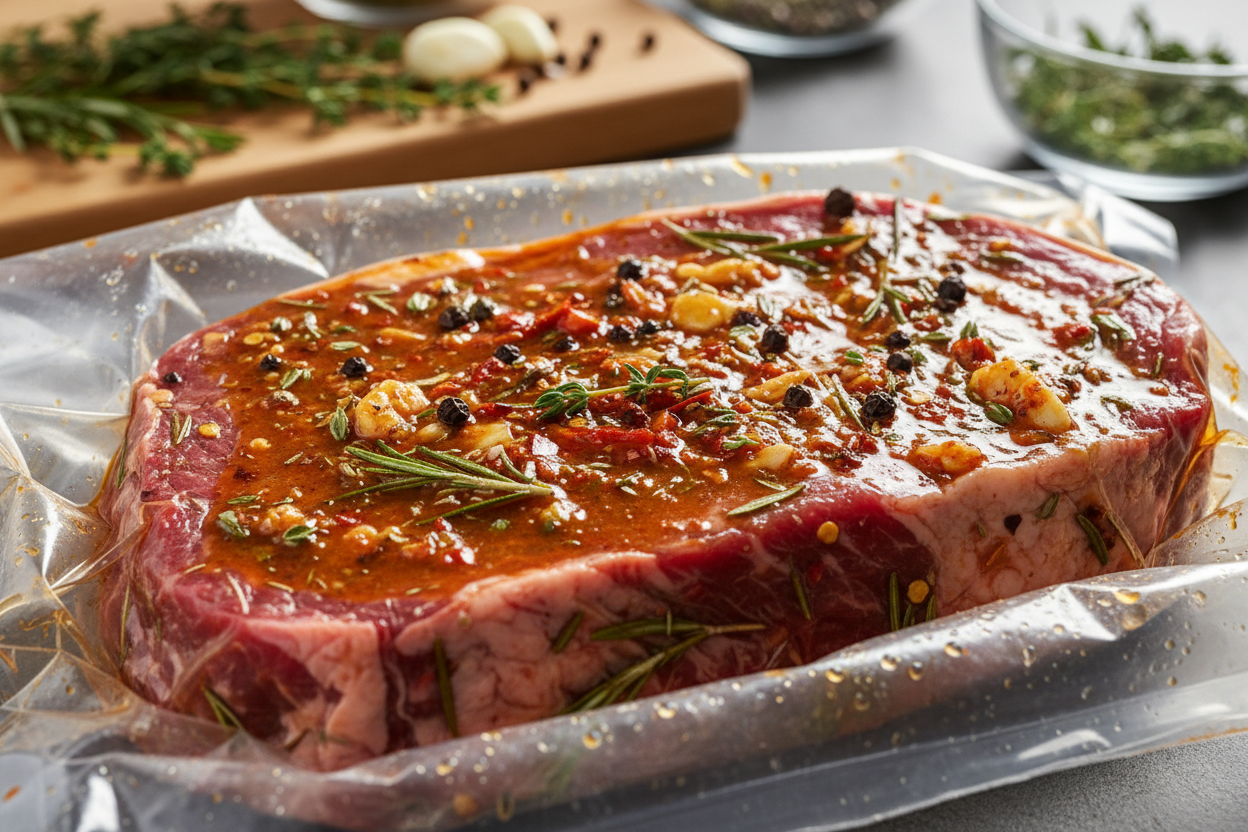
Combine Beef and Marinade: Place the dried beef into a large, resealable plastic bag or a shallow, non-reactive dish. Pour the prepared marinade over the beef, ensuring it is fully coated. If using a bag, press out as much air as possible before sealing. If using a dish, turn the beef several times to ensure even coverage.
Marinate: Refrigerate the beef for a minimum of 2 hours, but ideally for 4-6 hours for maximum flavor infusion and tenderization. For even deeper flavor, you can marinate overnight (up to 12 hours). Do not marinate for more than 12 hours, especially with a strong citrus base, as the acid can start to “cook” the beef, leading to a mushy texture.
Bring to Room Temperature (Optional but Recommended): About 30 minutes before you plan to cook, remove the marinated beef from the refrigerator and let it sit at room temperature. This helps the beef cook more evenly and prevents it from seizing up when it hits the hot cooking surface.
Tips for Grilling and Cooking Fajitas
Once your beef is perfectly marinated, the cooking process is quick and thrilling. High heat is key to achieving that signature fajita sizzle and beautiful sear.
- Heat is Your Friend: Whether you’re using a grill, a heavy cast iron skillet, or a griddle, make sure it’s screaming hot before adding the beef. This creates a fantastic crust and locks in the juices. For an authentic experience, cast iron fajitas cooked on a blazing hot skillet deliver unbeatable results.
- Don’t Overcrowd the Pan: Cook the beef in batches if necessary. Overcrowding lowers the temperature of the pan, leading to steamed rather than seared beef, which won’t develop that delicious crust.
- Cook Quickly: Fajita beef cooks fast! Flank steak typically needs 4-6 minutes per side for medium-rare, while thinner skirt steak might only need 2-4 minutes per side. Use a meat thermometer if unsure; aim for an internal temperature of 130-135°F for medium-rare, remembering it will continue to cook a bit after removal.
- Rest the Beef: This is a crucial step that many skip. Once cooked, transfer the beef to a cutting board, tent it loosely with foil, and let it rest for 5-10 minutes. This allows the juices to redistribute throughout the beef, resulting in a more tender and juicy final product.
- Slice Against the Grain: After resting, slice the beef thinly against the grain. This is perhaps the most important tip for tender fajitas. Slicing with the grain will result in tough, chewy strips.
- Sauté Veggies Separately: For the best texture, cook your bell peppers and onions in a separate pan or after the beef, using a little of the beef’s rendered fat for extra flavor. They should be crisp-tender, not mushy.
- Serve Sizzling: An easy fajita recipe truly shines when served immediately off the heat with warm tortillas and your favorite toppings like guacamole, salsa, sour cream, and fresh cilantro.
Frequently Asked Questions
“What if I don’t have fresh citrus? Can I use bottled juice?”
While fresh citrus is always preferred for its vibrant flavor and tenderizing power, you can use bottled lime juice in a pinch. However, be aware that the flavor might not be as bright or complex. Always opt for 100% juice without added sweeteners.
“How long can I marinate the beef?”
For optimal results, marinate for 2-6 hours. You can go up to 12 hours for a deeper flavor, but avoid exceeding this, as the acid can start to break down the beef too much, leading to a mushy texture rather than tender.
“Can I prepare the fajitas ahead of time?”
You can marinate the beef a day in advance. The actual cooking of the beef and vegetables is best done just before serving to maintain that fresh, sizzling quality. Cooked beef can be reheated gently, but it won’t have the same fresh-off-the-grill texture.
“What are the best toppings for fajitas?”
The possibilities are endless! Classic toppings include warm flour or corn tortillas, guacamole, pico de gallo, sour cream or crema, shredded cheese, and fresh cilantro. Don’t be afraid to add pickled jalapeños, a squeeze of extra lime, or a dash of your favorite hot sauce!
With this incredible marinade, you’re not just cooking; you’re creating a culinary experience. The rich flavors, tender beef, and sizzling presentation make for a meal that’s both exciting and satisfying. So go ahead, whip up a batch, and get ready to enjoy the best homemade fajitas you’ve ever tasted!
If you loved this recipe and want more delicious inspiration, be sure to follow our community on Facebook! Find us at https://www.facebook.com/profile.php?id=61568538666337 for daily updates, cooking tips, and behind-the-scenes glimpses into our culinary adventures. We can’t wait to connect with you!
The Best Steak Fajita Marinade
Ingredients
- 1.5 lbs Beef flank steak Sliced or whole for marinating
- 1/3 cup Olive oil Extra virgin preferred
- 1/4 cup Fresh lime juice Juice from about 2 limes
- 4 cloves Garlic Minced
- 1/4 cup Fresh cilantro Finely chopped
- 1 tsp Paprika
- 1/2 tsp Turmeric
- 1 tsp Dried oregano Or mixed dried herbs
- 1/2 tsp Black peppercorns Crushed
- 1/4 tsp White peppercorns Crushed
- 1 tsp Kosher salt To taste
Instructions
- In a medium bowl, whisk together the olive oil, fresh lime juice, minced garlic, and chopped cilantro.
- Add the paprika, turmeric, dried oregano, crushed black peppercorns, crushed white peppercorns, and kosher salt. Stir until the spices are evenly distributed.
- Place the beef flank steak into a large, resealable plastic bag or a shallow glass dish.
- Pour the marinade over the steak, ensuring the meat is completely coated. Seal the bag (pressing out excess air) or cover the dish tightly.
- Refrigerate and let the steak marinate for at least 2 hours, or up to 24 hours for maximum flavor and tenderness.
- Remove the steak from the marinade and cook as desired on a hot grill or cast-iron skillet, discarding the leftover marinade.
For more daily recipes and tips, follow us on Facebook!
Click here to join our community!