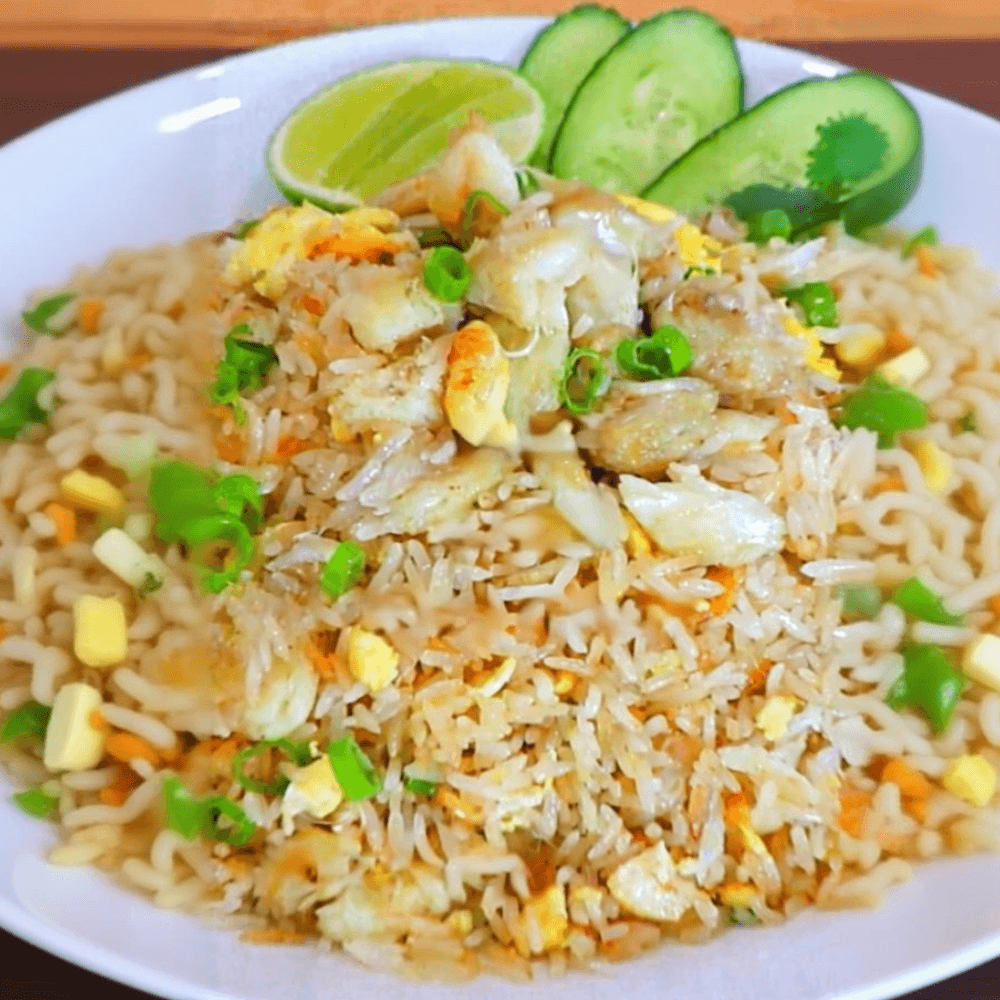
Step onto the bustling streets of Bangkok, and you’ll find an irresistible aroma wafting from countless hawker stalls: the tantalizing scent of stir-frying rice mingled with fresh seafood. Among the stars of this culinary show is an iconic dish that captures the hearts (and stomachs) of locals and travelers alike: Thai Crab Fried Rice, or Khao Pad Pu. This isn’t just any fried rice; it’s a symphony of textures and flavors, balancing the salty notes of fish sauce with the savory depth of soy, and, of course, the delicate sweetness of succulent lump crab meat. It’s an authentic Thai seafood dish that feels gourmet but is surprisingly simple to master at home. Best of all? Once you’ve got your ingredients prepped, this weeknight hero can be on your table as an easy 10-minute dinner!
The Secret to Restaurant-Quality Fried Rice
Achieving that coveted “restaurant-quality” fried rice isn’t a dark art reserved for professional chefs. With a few key techniques, you can bring the magic of Thai street food recipes right into your kitchen.
The Importance of “Wok Hei”
The soul of truly great fried rice lies in a concept known as “wok hei,” often translated as the “breath of the wok.” It’s that elusive, smoky, slightly charred flavor that elevates stir-fried dishes from good to unforgettable. To achieve this at home, even without a commercial-grade burner, focus on high heat and the right oil. Use an oil with a high smoke point, like grapeseed, peanut, or avocado oil. Get your wok or a large, heavy-bottomed skillet screaming hot before you add your ingredients. Don’t overcrowd the pan; work in batches if necessary to maintain that intense heat, allowing the ingredients to fry and caramelize rather than steam. This is one of the most crucial wok hei cooking tips you can master.
Why Day-Old Rice is Non-Negotiable
If there’s one golden rule for a perfect Thai fried rice recipe, it’s this: use day-old, chilled jasmine rice. Freshly cooked rice is too moist and will clump together, resulting in a soggy, gluey mess rather than distinct, fluffy grains. The science behind it is fascinating: as rice cools and sits, a process called retrogradation occurs, where starches firm up and dry out. This makes the grains less prone to sticking and allows them to absorb flavors beautifully while frying.
“For perfectly separated, flavorful fried rice, always reach for rice that’s been cooked and chilled for at least 12 hours. It’s the foundation of any great stir-fry.”
If you’re in a pinch and only have fresh rice, here’s a quick hack: spread your freshly cooked rice thinly on a baking sheet and pop it into the freezer for 15-20 minutes. This helps to rapidly dry out the surface, mimicking the texture of day-old rice. So, next time you have leftover jasmine rice ideas, think beyond reheating and consider its destiny in a delicious Khao Pad Pu!
Ingredients & Selection Tips
The beauty of Thai Crab Fried Rice lies in its simplicity, allowing the quality of each ingredient to shine. Choosing wisely is key to an authentic flavor.
Crab Meat: Lump vs. Claw meat
For Khao Pad Pu, the star is undeniably the crab. While claw meat offers good flavor, for that truly luxurious experience with impressive texture, opt for jumbo lump crab meat. These large, delicate flakes hold their shape well and provide sweet bursts of flavor that contrast beautifully with the savory rice. Fresh or good quality pasteurized lump crab meat is best. Avoid imitation crab; it simply won’t do this dish justice. If you’re exploring lump crab meat recipes, this is a fantastic entry point.The Trinity of Sauces
These three humble ingredients form the backbone of your fried rice’s flavor profile:- Fish Sauce (Nam Pla): This fermented anchovy sauce is the umami powerhouse of Thai cuisine. Don’t be deterred by its strong aroma; it transforms into a deeply savory, salty, and slightly sweet flavor when cooked. A good quality fish sauce is essential.
- Soy Sauce: A touch of light soy sauce adds another layer of salty, savory depth and a subtle hint of color.
- Sugar: A pinch of granulated sugar (palm sugar is traditional if you have it) is vital for balancing the salty and savory elements, adding a subtle sweetness that rounds out the dish beautifully.
Aromatics: Garlic and Scallions
Freshly minced garlic provides a fragrant base, while thinly sliced scallions add a mild oniony bite and vibrant color, with some reserved for garnish.
Step-by-Step Cooking Guide
The key to a lightning-fast easy 10-minute dinner is all in the preparation. Have everything chopped, measured, and ready to go before you even turn on the stove – this is called mise en place.
Prep Work: Mise en Place is Crucial
Finely mince your garlic, slice your scallions (reserving some for garnish), gently pick through your lump crab meat to remove any shell fragments, and measure out your sauces. Beat your eggs lightly with a pinch of salt. Ensure your day-old jasmine rice is at room temperature and gently separated.The Scramble: Cooking the Eggs and Garlic First
Heat your wok or large skillet over high heat until just smoking. Add 1-2 tablespoons of high smoke point oil. Swirl to coat. Add the beaten eggs and quickly scramble them, breaking them into small pieces. They should cook almost instantly. Push the cooked egg to one side, add a little more oil if needed, then toss in the minced garlic. Sauté for about 15-30 seconds until fragrant, being careful not to burn it.The Fry: Adding Rice and Sauces Without Mashing the Grains
Add the day-old jasmine rice to the wok, spreading it evenly. Pour in your fish sauce, soy sauce, and sugar over the rice. With a wide spatula or ladle, vigorously stir-fry, tossing the rice to coat every grain with the sauces and integrate the eggs and garlic. Press down lightly with the back of your spatula to break up any clumps, then toss again. Continue for 2-3 minutes, allowing the rice to get slightly crispy and develop that desirable wok hei.
The Fold: Gently Incorporating the Crab Meat Last to Keep it Intact
Reduce the heat to medium-low. Gently fold in the lump crab meat and most of the sliced scallions. Stir just enough to warm the crab through and combine it with the rice, being careful not to break up the delicate crab flakes. You want those beautiful, substantial pieces to remain intact. Taste and adjust seasoning if necessary, adding a tiny splash more fish sauce if desired.
Master the Condiment: Prik Nam Pla
No plate of authentic Thai seafood dishes, especially fried rice, is complete without a side of Prik Nam Pla sauce. This simple yet powerfully flavorful condiment provides a fresh, spicy, and tangy counterpoint that brightens every bite.
How to Make the Classic Chili Fish Sauce Side
To make Prik Nam Pla, combine the following in a small bowl:
- 2-3 tablespoons good quality fish sauce
- Juice of 1 fresh lime
- 1-2 Bird’s Eye chilies, thinly sliced (or more, to taste)
- A pinch of sugar (optional, to balance the acidity)
- Thinly sliced shallots or garlic (optional, for extra aromatic punch)
Stir everything together until the sugar dissolves. Serve alongside your Thai Crab Fried Rice, allowing everyone to customize their spice and tang levels. It’s a game-changer!
Variations & Serving Suggestions
While the classic Khao Pad Pu is perfect as is, it’s also wonderfully adaptable.
Spicy Version: Adding Chilies Directly to the Wok
If you prefer your fried rice with a fiery kick, add 1-2 finely chopped Bird’s Eye chilies (or a less potent chili like serrano if you prefer) directly to the wok along with the garlic in Step 2. This infuses the entire dish with a pleasant heat.Protein Swaps: Shrimp, Chicken, or Beef
If lump crab meat isn’t available or you’re looking for other Thai fried rice recipe ideas, this dish is incredibly versatile. You can easily swap the crab for thinly sliced chicken breast, succulent shrimp, or even finely diced beef. Cook these proteins before the eggs and rice, removing them from the wok once cooked, then adding them back at the very end with the scallions.Plating: Cucumber Slices, Cilantro, and a Lime Wedge
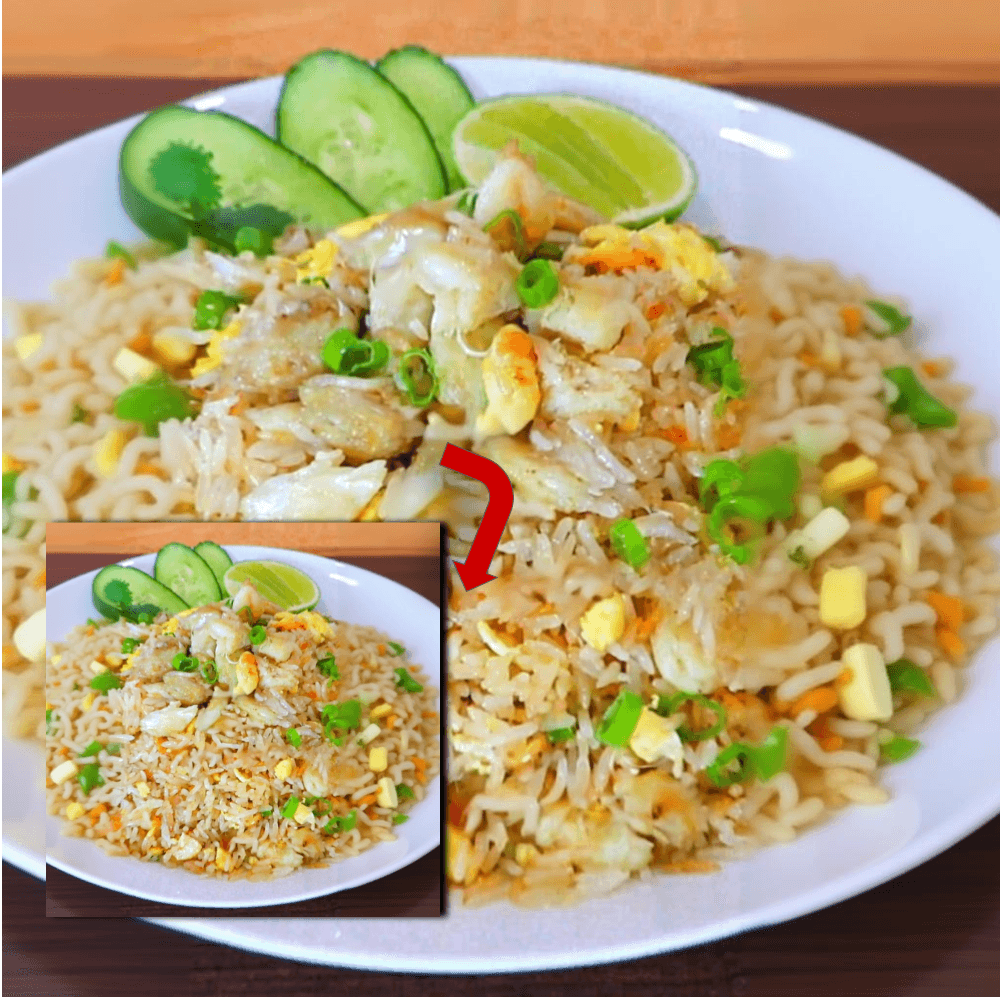
Serve your generous portion of Thai Crab Fried Rice immediately. Garnish with fresh cucumber slices (their cool crispness offers a lovely contrast), a sprinkle of fresh cilantro, and a wedge of lime. A squeeze of fresh lime juice over the finished dish adds an essential bright, acidic finish.
Frequently Asked Questions (FAQ)
Can I use brown rice for Thai Crab Fried Rice?
While technically possible, brown rice is not recommended for an authentic Thai fried rice recipe. Its chewier texture and nutty flavor can overpower the delicate sweetness of the crab and the nuanced flavors of the sauces. For the best results, stick with day-old jasmine rice, which offers the ideal texture and flavor profile.
How do I stop the rice from sticking to the wok?
Several factors contribute to rice sticking:
- Insufficient Heat: Ensure your wok or pan is screaming hot before adding the rice.
- Too Much Moisture: Always use day-old, chilled rice.
- Not Enough Oil: Don’t be shy with the oil. It helps create a non-stick surface and contributes to flavor.
- Overcrowding: Cook in batches if your pan isn’t large enough to keep the heat high.
What is the best brand of fish sauce for fried rice?
Several excellent fish sauce brands are widely available. Look for brands like Red Boat, Tiparos, or Squid Brand. Red Boat is often considered a premium choice for its rich, clean flavor, but Tiparos and Squid Brand are widely used in Thai kitchens and offer great value. Whichever you choose, ensure it lists anchovy extract, salt, and water as its primary ingredients, avoiding those with excessive additives.
There you have it – your ultimate guide to creating a truly spectacular Thai Crab Fried Rice at home. From mastering the elusive wok hei to crafting the perfect Prik Nam Pla, you now have all the tools to whip up this flavorful, easy 10-minute dinner. Dive into the world of authentic Thai seafood dishes and impress your taste buds!
For more delicious Thai street food recipes and culinary inspiration, be sure to follow us on Facebook: https://www.facebook.com/profile.php?id=61568538666337
Thai Crab Fried Rice (Khao Pad Pu)
Ingredients
- 3 cups cooked jasmine rice refrigerated overnight
- 2 tbsp cooking oil divided use if necessary
- 1/2 lb lump crab meat picked over for shells
- 2 cloves garlic minced
- 2 large eggs beaten
- 1 tbsp soy sauce
- 1 tbsp fish sauce
- 1 pinch sugar
- 3 stalks scallions chopped
- 3 slices cucumber for garnish
- 1 sprig cilantro for garnish
- 1 wedge lime for garnish
- 1 whole red chili pepper chopped (for chili fish sauce)
- 3 tbsp fish sauce for chili fish sauce
- 1 wedge lime juiced (for chili fish sauce)
Instructions
- Prepare the chili fish sauce by mixing the chopped red chili pepper, 3 tablespoons of fish sauce, and juice from one lime wedge in a small bowl. Set aside.
- Heat the cooking oil in a wok or large skillet over high heat.
- Add the minced garlic and sauté briefly until fragrant, then push to the side of the wok.
- Pour the beaten eggs into the center and scramble until mostly set.
- Add the cooked jasmine rice to the wok. Stir-fry vigorously, breaking up any clumps and mixing well with the eggs and garlic.
- Season the rice with 1 tablespoon soy sauce, 1 tablespoon fish sauce, and a pinch of sugar. Toss to coat the rice evenly.
- Gently fold in the lump crab meat and chopped scallions. Cook for another minute, being careful not to break up the crab chunks, until everything is heated through.
- Remove from heat immediately.
- Serve hot, garnished with cucumber slices, cilantro, and a lime wedge, with the chili fish sauce on the side.
For more daily recipes and tips, follow us on Facebook!
Click here to join our community!