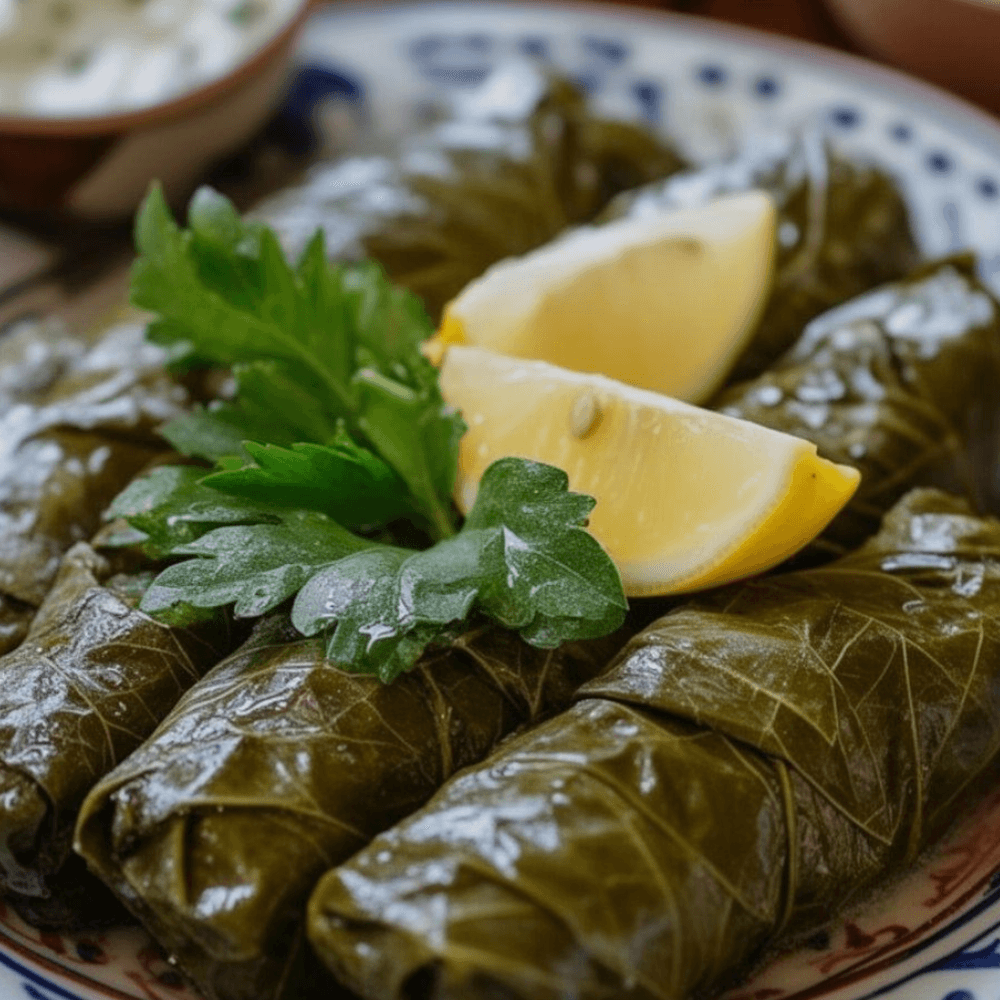
Welcome, fellow food enthusiasts! Today, we’re embarking on a culinary journey to the heart of Greece, to master one of its most beloved and iconic dishes: the classic stuffed grape leaves. These little parcels of joy are more than just food; they are a taste of tradition, family gatherings, and the Mediterranean soul. If you’ve ever dreamed of creating authentic stuffed grape leaves that rival yiayia’s, you’re in the right place. Get ready to roll up your sleeves – and some grape leaves – as we dive into the delicious world of Greek Dolmades.
What Are Greek Dolmades?
In Greek cuisine, few dishes evoke as much warmth and tradition as dolmades. The name itself comes from the Turkish word “dolma,” meaning “stuffed thing,” a testament to the dish’s long and rich history across the Ottoman Empire. However, in Greece, these little bundles have taken on a distinctly Hellenic character, becoming a staple on every family table and a celebrated part of countless feasts.
History and significance in Greek cuisine
For centuries, grapevines have been an integral part of the Mediterranean landscape, providing not just grapes for wine and fruit, but also their tender leaves. These leaves became an ingenious vessel for humble fillings of rice, herbs, and sometimes meat, allowing families to create satisfying meals from readily available ingredients. Dolmades represent the epitome of Mediterranean cooking: simple, fresh ingredients transformed into something extraordinary through patience and love. They are often prepared in large batches for holidays, celebrations, or simply to stock the fridge, embodying generosity and hospitality.
The difference between meat-stuffed (served warm) and vegetarian (served cold)
While the essence of stuffed grape leaves remains consistent – a delicious filling encased in a vine leaf – there are two main types you’ll encounter. The version we’re focusing on today, with its rich filling of ground beef, rice, and aromatic herbs, is typically served warm, often as a hearty main course or a substantial appetizer. These are the more robust, fulfilling dolmades. On the other hand, a popular vegetarian variation, known as dolmadakia gialantzi (literally “false dolmades”), is usually made with just rice and herbs, no meat, and is served chilled, drizzled with olive oil and a squeeze of lemon. Both are equally delightful, but the ground beef dolmades offer a deeper, more savory experience that truly satisfies.
Ingredients You’ll Need
Crafting the perfect stuffed grape leaves with meat and rice requires quality ingredients. Here’s a breakdown of what you’ll gather for our ground beef dolmades:
The Grape Leaves
Fresh vs. jarred leaves
Ideally, if you have access to tender, young grape leaves from an unsprayed vine in late spring, those are truly the gold standard. They offer a delicate texture and fresh flavor that’s unparalleled. However, for most of us, high-quality jarred or brined vine leaves are the practical and perfectly acceptable choice. Look for brands that offer tender, whole leaves without too many tears, packed in brine. Avoid those that seem too thick or discolored.
How to properly prep and destem jarred leaves
Jarred leaves come preserved in brine, which can be quite salty. To prepare them, first, gently remove the leaves from the jar and rinse them thoroughly under cold running water. You might need to do this a few times to wash away excess salt. Then, carefully lay them out on a clean surface. Each leaf will have a small, tougher stem at its base. Using a small paring knife or your fingernail, snip or tear off this stem. Be gentle to avoid tearing the leaf itself. Place the prepped leaves in a bowl of fresh water to soak for about 15-20 minutes, then drain well. Some chefs even blanch them quickly in boiling water for a minute to further tenderize them, though often a good rinse and soak is sufficient.
The Filling (Ground Beef, Rice, Herbs)
The heart of our vine leaves recipe is the flavorful filling. This combination of meat, rice, and herbs creates a symphony of textures and aromas that defines the dish.
Choosing the right rice (short-grain is best)
For dolmades, the type of rice you use makes a significant difference. Short-grain rice, such as Arborio (often used for risotto) or a medium-grain variety like Carolina or Calrose, is ideal. These varieties absorb moisture beautifully and become wonderfully tender and plump without turning mushy. Avoid long-grain rice, which can dry out and become stiff during the cooking process. You won’t be pre-cooking the rice, as it will cook slowly within the grape leaf, absorbing the delicious juices and broth.
The holy trinity of dolmades herbs: dill, mint, and parsley
The aromatic soul of the filling comes from a generous blend of fresh herbs. For authentic stuffed grape leaves, dill, mint, and parsley form what many call the “holy trinity.”
- Dill: Essential for its distinct, slightly sweet, and anise-like flavor. Don’t skimp on the fresh dill; it’s non-negotiable.
- Mint: Provides a refreshing, bright counterpoint to the richness of the beef and rice.
- Parsley: Offers a fresh, herbaceous background that ties all the flavors together. Flat-leaf (Italian) parsley is preferred for its robust flavor.
Beyond these, finely chopped onions, a touch of garlic, and a generous seasoning of salt and black pepper are crucial. Some recipes also include a pinch of cinnamon or allspice for a subtle, warming complexity, which complements the ground beef wonderfully.
Step-by-Step: How to Roll Dolmades Perfectly
This is where the magic happens! Rolling dolmades might seem intimidating at first, but with a little practice, you’ll find your rhythm. The goal is to create neat, compact parcels that hold their shape during cooking.
Prepping the Leaves
Once your grape leaves are rinsed, destemmed, and patted dry, lay one out on a clean work surface. You’ll notice one side is shinier and smoother, while the other has more prominent veins. Always place the leaf with the shiny side down, so the smoother side faces outwards when rolled. This gives your dolmades a beautiful, polished appearance.
The Folding Technique
This method is similar to rolling a tiny, elegant burrito, ensuring the filling is securely contained and the rice has room to expand without bursting the leaf.
Portioning the filling so the rice has room to expand
Take about 1 to 1.5 teaspoons of the ground beef, rice, and herb mixture (the exact amount depends on the size of your leaf) and place it near the bottom of the grape leaf, just above where the stem was. Form it into a small, elongated mound. It’s crucial not to overfill, as the rice will swell considerably during cooking. Leave space on the sides for folding.
The fold-and-roll method (similar to a tiny burrito)
Now, gently fold the bottom edge of the grape leaf up and over the filling. Next, fold in the left and right sides of the leaf towards the center, snugly enclosing the filling. Finally, starting from the bottom, tightly roll the leaf upwards towards the tip. You should end up with a compact, cylindrical parcel. Don’t roll too loosely, or they might unravel; don’t roll too tightly, or the leaf might burst as the rice expands. Aim for firmness but with a slight give. Place the rolled dolma seam-side down on a plate and continue with the rest of your leaves.

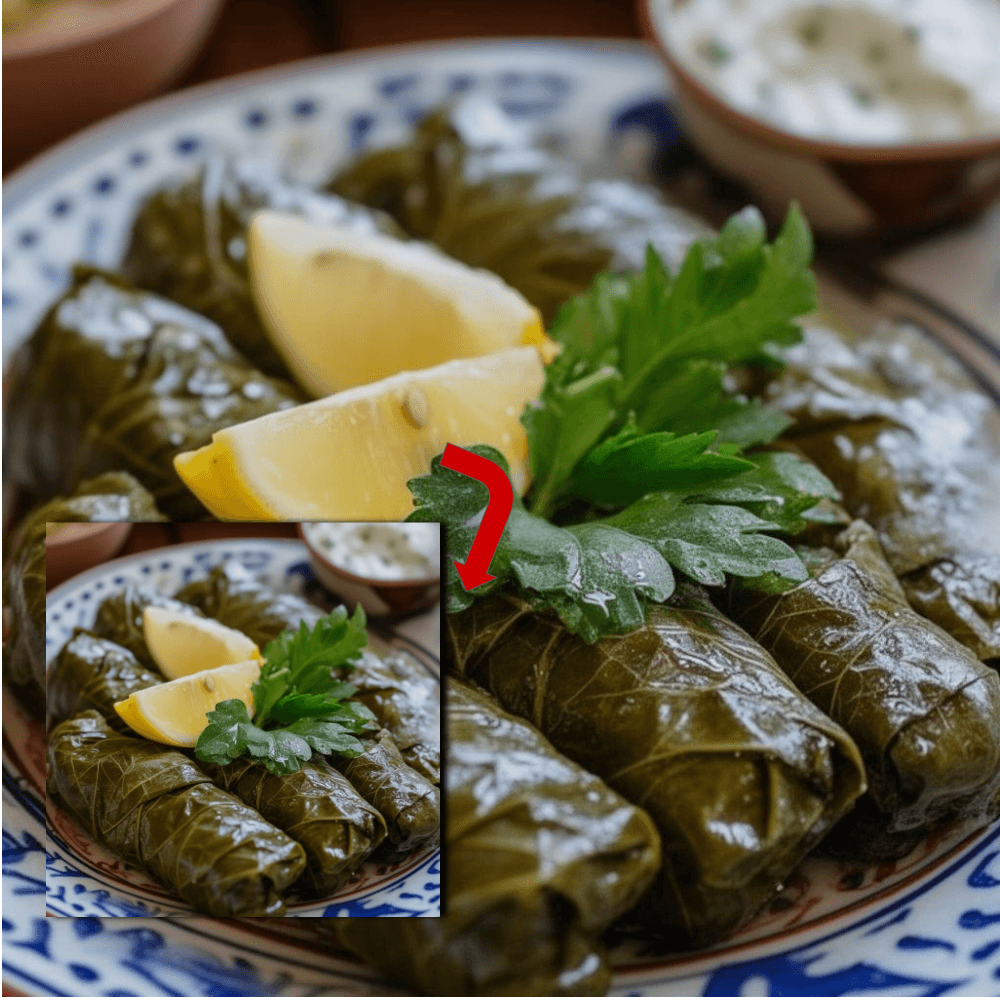
Expert Tip: “Think of rolling dolmades as an act of meditation. Each leaf is a canvas, and your hands are the artists. Patience and a gentle touch are your best tools for perfect little parcels.”
Pro Tips for Cooking Stuffed Grape Leaves
Once your army of beautifully rolled dolmades is ready, the cooking process is straightforward, but a couple of expert tricks will ensure they cook evenly and maintain their perfect shape.
Lining the Pot
Why you must sacrifice a few torn leaves for the bottom of the pan
Before you even think about layering your precious dolmades into the pot, take any torn, broken, or extra grape leaves you have and use them to line the bottom of a heavy-bottomed pot. If you don’t have enough leaves, you can use thin slices of potato or lemon. This crucial step acts as a protective barrier, preventing the bottom layer of stuffed grape leaves from sticking to the pot and potentially scorching. It also adds another subtle layer of flavor to the cooking liquid.
Weighing Them Down
The inverted plate trick to prevent unrolling during the simmer
After you’ve carefully arranged your rolled dolmades in concentric circles or tight rows in the pot, layer by layer, it’s time for another essential trick. Invert a heatproof plate (ceramic or glass works best) directly on top of the uppermost layer of dolmades. This plate acts as a gentle weight, keeping the dolmades submerged in the liquid and, crucially, preventing them from unrolling or floating around during the simmering process. This ensures every single one cooks perfectly and holds its shape. Pour in enough water or broth to just cover the plate, add a generous drizzle of olive oil, and a squeeze of fresh lemon juice, then bring to a gentle simmer.
Cook the stuffed grape leaves over low heat for about 45-60 minutes, or until the rice is tender and the leaves are soft. The aroma that will fill your kitchen during this time is utterly intoxicating!
Serving Suggestions
After all your hard work, it’s time to enjoy the fruits (or rather, leaves) of your labor. These authentic stuffed grape leaves are incredibly versatile and can be served in several delicious ways.
Pairing with fresh lemon wedges
A simple squeeze of fresh lemon juice is often all that’s needed to brighten and enhance the rich flavors of ground beef dolmades. The acidity cuts through the richness and adds a burst of Mediterranean sunshine. Always have plenty of lemon wedges on hand for your guests to add as they please.
Making a traditional Avgolemono (egg-lemon) sauce or serving with Tzatziki
To elevate your dining experience, consider pairing your dolmades with a classic Greek accompaniment:
- Greek Avgolemono Sauce: This velvety, tangy egg-lemon sauce is a match made in heaven for stuffed grape leaves. To make it, whisk eggs with lemon juice, then slowly temper in some of the warm cooking liquid from the dolmades. It adds a luxurious, creamy, and zesty finish. It’s a truly traditional pairing that makes the dish even more special.
- Tzatziki: A cool, refreshing yogurt, cucumber, and garlic dip, tzatziki offers a wonderful contrast to the warm, savory dolmades. Its crispness and garlicky tang provide a delightful balance, making it an excellent Mediterranean diet appetizer option.
Whether served as a substantial starter or a comforting main course, these savory parcels are sure to impress. They are not just an appetizer; they are a flavorful journey.
Frequently Asked Questions
Here are some common questions about making and storing your delicious stuffed grape leaves.
Can I make dolmades ahead of time?
Absolutely! Dolmades are excellent for making ahead. You can prepare and roll them a day in advance, storing them uncooked and tightly covered in the refrigerator. When ready to cook, proceed with the simmering as directed. Alternatively, you can cook them completely and store the cooked dolmades in their cooking liquid in an airtight container in the fridge for 3-4 days. They often taste even better the next day as the flavors meld.
How do I store leftovers?
Store any leftover ground beef dolmades in an airtight container in the refrigerator, preferably with some of their cooking liquid to keep them moist. They will keep well for 3-4 days. Reheat gently on the stovetop or in the microwave until warmed through. Freezing cooked dolmades is also an option; place them in a single layer on a baking sheet to freeze individually, then transfer to a freezer-safe bag or container. Thaw in the refrigerator overnight and reheat.
Can I substitute the ground beef for lamb?
While this recipe specifically focuses on ground beef dolmades, lamb is another popular and equally delicious choice for the filling. Ground lamb offers a slightly richer, more gamey flavor that many find irresistible in Greek cuisine. The preparation and rolling steps remain the same; simply swap out the beef for an equal amount of ground lamb. This makes for a wonderfully rich variation of the vine leaves recipe.
There you have it! A comprehensive guide to making glorious, authentic Greek Dolmades right in your own kitchen. This isn’t just a recipe; it’s an invitation to embrace the rich culinary heritage of Greece. Happy cooking, and enjoy these incredible stuffed grape leaves!
For more delicious Greek recipes, tips, and behind-the-scenes glimpses of our kitchen, follow our Facebook page!
Traditional Greek Dolmades
Ingredients
- 1 jar (16 oz) Grape leaves in brine, thoroughly rinsed and stems trimmed
- 1 lb Ground beef 80/20 blend preferred
- 1/2 cup Short-grain rice rinsed and soaked for 15 minutes
- 1 medium Yellow onion finely diced
- 1/4 cup Fresh parsley finely chopped
- 1/4 cup Fresh dill finely chopped
- 2 tbsp Fresh mint finely chopped
- 1/4 cup Extra virgin olive oil divided
- 2 large Lemons juiced
- 3 cups Beef or chicken broth low-sodium
- 1 tsp Kosher salt
- 1/2 tsp Black pepper
Instructions
- Carefully remove the grape leaves from the jar, rinse them thoroughly under cold running water to remove excess brine, and snip off any remaining tough stems. Set aside a few torn or imperfect leaves.
- In a large mixing bowl, gently combine the ground beef, rinsed rice, diced onion, parsley, dill, mint, half of the olive oil, kosher salt, and black pepper. Do not overmix.
- Line the bottom of a large heavy-bottomed pot or Dutch oven with the reserved torn grape leaves. This prevents the dolmades from sticking to the bottom and burning.
- Place one grape leaf shiny-side down on a flat work surface with the vein side facing up and the stem end closest to you. Place exactly one tablespoon of the meat and rice filling near the stem end.
- Fold the bottom lobes of the leaf up over the filling. Fold in the left and right sides, then roll tightly toward the top tip of the leaf, creating a neat cylinder. Repeat until all filling is used.
- Arrange the stuffed grape leaves tightly together in the prepared pot, seam-side down, in a single layer. Pack them snugly so they don't unravel. Add a second layer on top if necessary.
- Drizzle the remaining olive oil and all of the lemon juice over the rolled dolmades. Pour in enough broth to just cover the top layer.
- Place an inverted heat-proof plate directly on top of the dolmades to weigh them down, keeping them fully submerged and tightly rolled during cooking.
- Bring the liquid to a gentle boil over medium heat. Reduce the heat to low, cover the pot with a lid, and let simmer for 40 to 45 minutes, or until the rice is tender and the meat is completely cooked.
- Remove the pot from the heat and allow the dolmades to rest in the liquid for 10 to 15 minutes before serving. Serve warm with extra lemon wedges or traditional Avgolemono sauce.
For more daily recipes and tips, follow us on Facebook!
Click here to join our community!