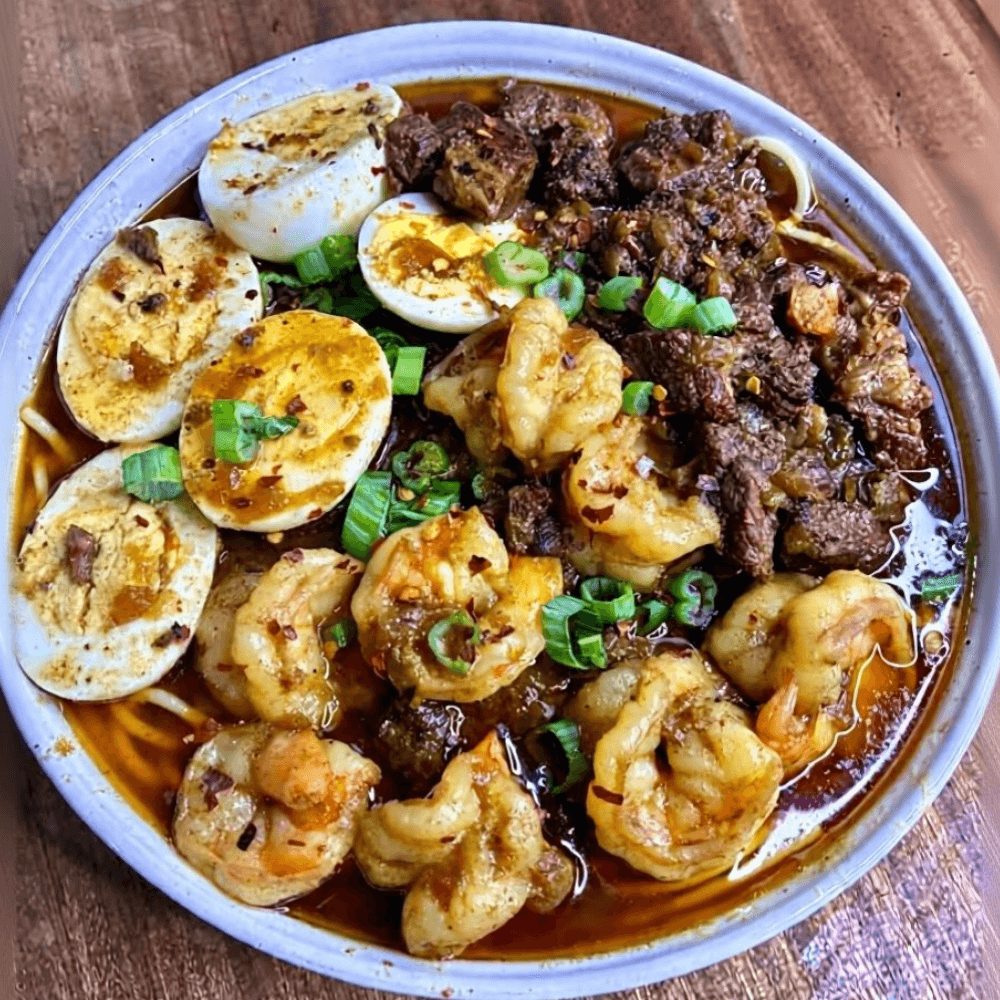
In the vibrant tapestry of New Orleans cuisine, where every dish tells a story, there’s a legendary bowl of comfort known affectionately as “Old Sober.” It’s a dish whispered about in hushed tones after a long night, a beacon of savory hope promising rejuvenation. This isn’t just any noodle soup; it’s a unique fusion of African-American and Chinese culinary traditions, a testament to the city’s rich cultural gumbo. Today, we’re diving deep into the heart of this iconic dish to bring you an authentic Yakamein Recipe, a soulful, savory, and subtly spicy broth brimming with tender beef, plump shrimp, and classic spaghetti noodles.
Imagine a broth so deeply flavorful it could cure anything that ails you, perfectly balanced with salty, spicy, and umami notes. This Creole Beef and Shrimp Soup is more than just a meal; it’s a culinary hug, a historical journey, and arguably the best hangover cure soup you’ll ever encounter. Get ready to experience the magic of New Orleans Yakamein in your own kitchen.
What is Yakamein (Ya-Ka-Mein)?
Yakamein, pronounced “Yah-Kuh-Main,” is a beloved NOLA street food recipe, a quintessential Beef and Noodle Soup with a fascinating origin story. Its roots trace back to the bustling intersections of New Orleans’ historic Chinatown and the city’s vibrant African-American communities. Born from the ingenuity of these cultures, Yakamein blended traditional Chinese noodle soup elements with local Creole and Cajun flavors, creating something entirely unique.
The moniker “Old Sober Noodle Soup” isn’t just a charming nickname; it speaks to the dish’s reputation as a powerful pick-me-up. For generations, this hearty Cajun Noodle Bowl has been the go-to remedy for weary souls and those needing a comforting boost, especially after indulging in the spirited nightlife of the Crescent City. Its rich broth, packed with protein and carbohydrates, is said to restore equilibrium, chase away the blues, and quite literally, “sober you up.”
The cultural significance of Yakamein is deeply woven into the fabric of New Orleans. Figures like “The Yakamein Lady,” Ms. Linda Green, have become local legends, serving up their cherished family recipes from street carts and festivals, ensuring this Soul Food Noodle Recipe continues to thrive and evolve. Her dedication, and that of many others, has solidified Yakamein’s place as a cherished staple, a true taste of New Orleans’ resilient and vibrant spirit.
Key Ingredients for Authentic Yakamein
Crafting a truly authentic Yakamein involves selecting specific ingredients that contribute to its distinctive flavor profile. Forget fancy, obscure items; this dish celebrates humble ingredients transformed into something extraordinary.
The Protein
For the heart of your Yakamein, the protein choices are paramount. While variations exist, the classic preparation calls for a robust combination.
- Choosing the Right Cut: Why Beef Chuck Roast is King: For a melt-in-your-mouth tenderness that truly defines this Yakamein Recipe, beef chuck roast is the undisputed champion. Its marbling and connective tissues break down beautifully during a long simmer, infusing the broth with rich, savory flavor and becoming incredibly fork-tender. While other beef cuts can be used, none deliver the same depth and texture as chuck.
- Adding Shrimp: The Surf-and-Turf Twist: To elevate the experience, fresh, succulent shrimp are often added at the end. This surf-and-turf element provides a delightful contrast in texture and a subtle sweetness that complements the robust beef broth, making it a true Creole Beef and Shrimp Soup.
The “Juice” (Broth)
The broth, or “juice” as it’s affectionately known, is the soul of Yakamein. These Yakamein Broth Ingredients are what give it its signature salty, savory, and slightly tangy character.
- The Importance of Soy Sauce, Worcestershire, and Creole Seasoning: These three ingredients form the holy trinity of Yakamein broth. Soy sauce provides umami and saltiness, Worcestershire sauce adds a tangy, fermented depth, and authentic Creole seasoning (such as Tony Chachere’s or Zatarain’s) brings the essential spicy and herbal notes that scream New Orleans. Don’t skimp on these; they are non-negotiable.
- The Controversial but Essential Addition of Ketchup: Yes, you read that right—ketchup! While it might raise an eyebrow for some, a small amount of ketchup is a traditional and vital ingredient in authentic Yakamein. It contributes a subtle sweetness, a touch of acidity, and a unique umami depth that rounds out the broth beautifully, creating that distinctive flavor profile. Trust the process on this one!
The Noodles
When it comes to noodles for your Yakamein, tradition reigns supreme.
- Why Spaghetti is the Traditional Choice Over Ramen or Rice Noodles: Unlike many Asian noodle soups, Yakamein proudly uses humble spaghetti. This choice isn’t accidental; it’s a legacy of the fusion cooking that birthed the dish. The robust texture of spaghetti holds up perfectly in the hearty broth, absorbing its flavors without becoming mushy. While ramen or rice noodles might seem like a natural fit for a noodle soup, stick to spaghetti for a truly authentic New Orleans Yakamein experience.
Expert Tip: “The secret to a truly great Yakamein lies in letting your beef chuck roast simmer for hours. Low and slow is the way to go, allowing the beef to become incredibly tender and enriching the broth with unparalleled depth.”
Step-by-Step Instructions
Crafting this soulful Old Sober Noodle Soup is a labor of love, but the steps are straightforward and rewarding. Follow this guide for the perfect Yakamein Recipe.
Step 1: Preparing and Searing the Beef
- Pat your beef chuck roast dry with paper towels. Cut it into 1-2 inch cubes.
- Season the beef generously with a blend of salt, black pepper, and your favorite Creole seasoning.
- In a large, heavy-bottomed pot or Dutch oven, heat 2 tablespoons of vegetable oil over medium-high heat until shimmering.
- Sear the beef cubes in batches, ensuring not to overcrowd the pot, until deeply browned on all sides. This creates a rich fond at the bottom of the pot, crucial for flavor. Remove the seared beef and set aside.
Step 2: Building the Savory Broth Base
- Reduce the heat to medium. Add a little more oil if needed.
- Add 1-2 chopped yellow onions, 1 chopped green bell pepper, and 2-3 cloves of minced garlic to the pot. Sauté until softened, about 5-7 minutes, scraping up any browned bits from the bottom of the pot.
- Deglaze the pot with about 1/2 cup of beef broth or water, scraping vigorously to release all the flavorful fond.
- Stir in 1/2 cup of soy sauce, 1/4 cup of Worcestershire sauce, 1/4 cup of ketchup, 2 tablespoons of Creole seasoning, 1 teaspoon of smoked paprika, and a pinch of cayenne pepper (adjust to your spice preference). Cook for 2-3 minutes, allowing the flavors to meld.
Step 3: Simmering for Tenderness
- Return the seared beef to the pot.
- Pour in 6-8 cups of beef broth (or enough to cover the beef by about an inch).
- Bring the broth to a gentle simmer, then reduce the heat to low, cover, and let it cook for at least 3-4 hours, or until the beef is incredibly tender and easily pulls apart with a fork. Check occasionally to ensure liquid levels are adequate; add more broth or water if necessary. The longer it simmers, the richer the Yakamein broth ingredients will become.
Step 4: Cooking the Shrimp and Noodles Separately
- About 15 minutes before serving, bring a separate pot of salted water to a boil. Cook the spaghetti noodles according to package directions until al dente. Drain and rinse briefly to prevent sticking, then toss with a tiny amount of oil.
- In a small skillet, quickly sauté your peeled and deveined shrimp with a little butter or oil until they turn pink and opaque, about 2-3 minutes per side. Be careful not to overcook them.
Step 5: The Assembly: Layering Ingredients for the Perfect Bowl
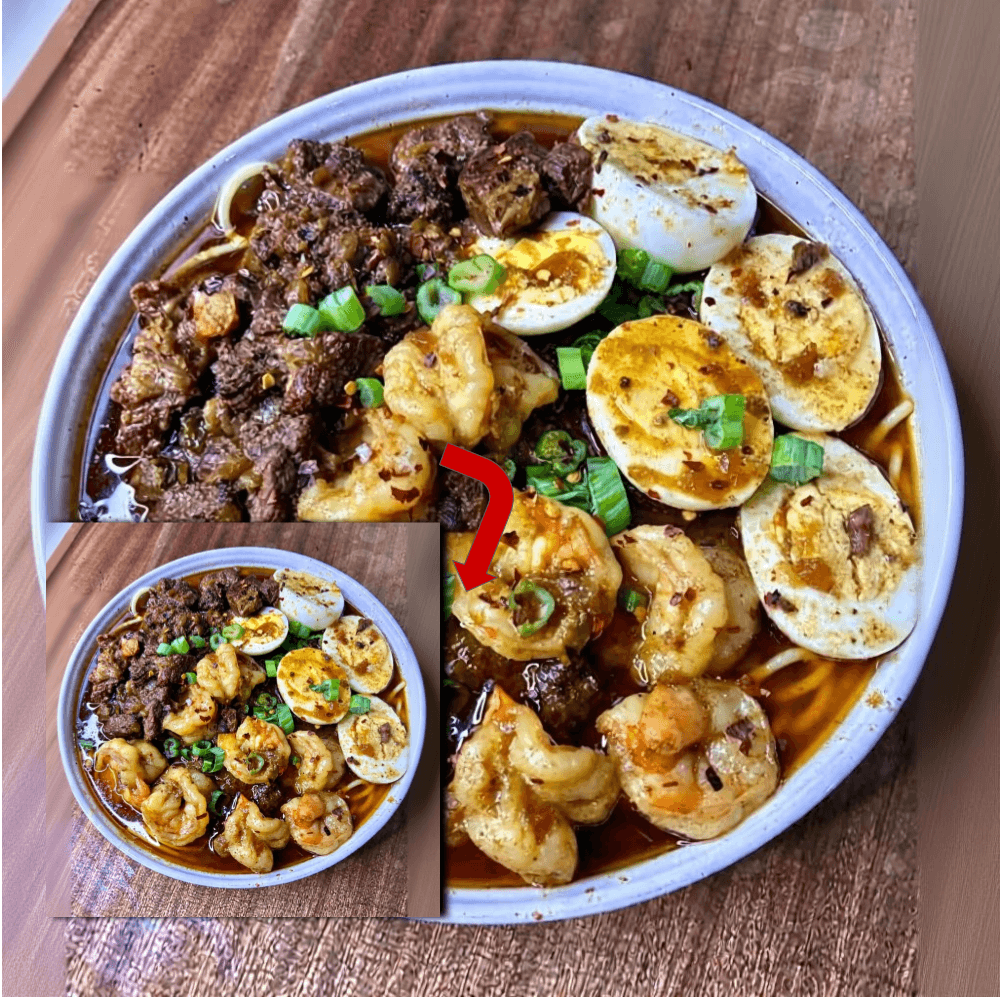
- To assemble your perfect Old Sober Noodle Soup, place a generous portion of cooked spaghetti noodles into a large bowl.
- Ladle the rich beef broth over the noodles, ensuring you get plenty of the tender beef chunks.
- Top with the sautéed shrimp.
- Garnish generously with sliced hard-boiled eggs, chopped green onions, and a sprinkle of fresh parsley or cilantro.
- Add a dash of your favorite hot sauce for an extra kick, making this a truly invigorating Cajun Noodle Bowl experience.
Tips for the Best Yakamein
Elevate your Yakamein Recipe from great to unforgettable with these insider tips:
- Making Hard-Boiled Eggs Perfectly: For easy-to-peel, perfectly cooked hard-boiled eggs (essential for Yakamein!), place eggs in a saucepan and cover with cold water by an inch. Bring to a rolling boil, then immediately turn off the heat, cover the pot, and let sit for 10-12 minutes. Transfer to an ice bath for 5 minutes before peeling.
- Adjusting Spice Levels with Hot Sauce: The beauty of this Beef and Noodle Soup is its adaptability. While Creole seasoning brings heat, individual preference varies. Keep your favorite hot sauce (such as Louisiana Hot Sauce or Tabasco) on hand for guests to customize their bowls. A few dashes can transform a comforting bowl into a fiery hangover cure soup.
- Storage and Reheating Tips (Keep Noodles Separate!): If you anticipate leftovers, store the broth and beef separately from the cooked spaghetti and shrimp. Reheat the broth gently on the stovetop, then add fresh noodles and shrimp (or reheat pre-cooked ones) just before serving. This prevents the noodles from becoming mushy and ensures every bowl is as fresh and satisfying as the first.
Common Variations
While the classic Beef and Shrimp Yakamein is king, this versatile Soul Food Noodle Recipe allows for delicious adaptations:
- Chicken Yakamein: For a lighter but equally flavorful option, substitute beef chuck roast with boneless, skinless chicken thighs or breasts. Simmer time will be shorter, typically 1-2 hours, until the chicken is tender and easily shredded.
- Seafood-Only Versions: Embrace the Gulf Coast bounty with a seafood-centric Yakamein. Omit the beef and instead load up on shrimp, crab meat, or even crawfish tails, adding them in the last few minutes of cooking the broth or separately sautéing them.
- Vegetable-Heavy Adaptations: Increase the vegetable content by adding diced carrots, celery, mushrooms, or even spinach to the broth during the last hour of simmering. These additions absorb the rich flavors and add extra nutrients and texture to your New Orleans Yakamein.
Frequently Asked Questions (FAQ)
Can I use steak instead of roast?
While you can use cuts like sirloin or round steak for Yakamein, beef chuck roast is highly recommended for its superior tenderness and flavor after a long simmer. Steak cuts tend to be leaner and can become tough if simmered for the extended time required to develop the rich Yakamein broth. If you opt for steak, cut it into smaller pieces and add it closer to the end of the cooking process to avoid overcooking.
How long does the broth last in the fridge?
The Yakamein broth, without noodles or shrimp, can be stored in an airtight container in the refrigerator for 3-4 days. For longer storage, it freezes beautifully for up to 3 months. Thaw overnight in the refrigerator before reheating gently on the stovetop.
Is Yakamein the same as Ramen?
No, Yakamein is not the same as Ramen, though both are flavorful noodle soups. Yakamein has distinct origins in New Orleans, blending African-American and Chinese culinary influences, and typically uses spaghetti noodles. Its broth features ingredients like Worcestershire sauce, Creole seasoning, and even ketchup, resulting in a savory, slightly sweet, and spicy flavor profile unique to Louisiana. Ramen, on the other hand, is a Japanese dish with specific types of Japanese wheat noodles and broths (like tonkotsu, shoyu, miso) that have very different flavor profiles and ingredient combinations.
There you have it—the definitive guide to making a truly unforgettable Yakamein Recipe, a testament to New Orleans’ enduring culinary spirit. This Old Sober Noodle Soup is more than just food; it’s history, comfort, and flavor all in one bowl. We hope you cherish this Soul Food Noodle Recipe as much as the people of NOLA do.
For more delicious NOLA street food recipes, behind-the-scenes peeks, and a community of food lovers, be sure to follow us on Facebook!
Follow us here: https://www.facebook.com/profile.php?id=61568538666337
Spicy Beef and Shrimp Yakamein (New Orleans Old Sober)
Ingredients
- Beef Chuck Roast, cut into 1-inch cubes Select a well-marbled roast for tenderness after braising. Do not trim all the fat; it adds flavor to the broth. Cut into bite-sized pieces to ensure ...
- 3 lbs Beef Chuck Roast Cut into 1-inch cubes. Remove large chunks of hard fat, but leave some for flavor.
- 1 lb Large Shrimp Peeled and deveined. Keep tails on or off based on preference.
- 1 lb Spaghetti Noodles Standard spaghetti is traditional. Cook al dente.
- 8 cups Beef Broth Use low-sodium if possible to control saltiness.
- 1 cup Onion Yellow or white, chopped.
- 1 cup Green Bell Pepper Chopped.
- 2 stalks Celery Chopped.
- 4 cloves Garlic Minced.
- 2 tbsp Creole Seasoning Plus more to taste (e.g., Tony Chachere's or Slap Ya Mama).
- 1/2 cup Soy Sauce Essential for the 'Old Sober' flavor.
- 2 tbsp Worcestershire Sauce Adds depth to the broth.
- 2 tbsp Ketchup Provides sweetness and tang.
- 1 tbsp Hot Sauce Louisiana style (e.g., Crystal or Tabasco). Adjust to heat preference.
- 2 tbsp Vegetable Oil For searing the beef.
- 4 whole Hard-boiled Eggs Peeled and halved.
- 1 bunch Green Onions Chopped, for garnish.
Instructions
- In a large bowl, toss the cubed beef chuck with 1 tablespoon of Creole seasoning until evenly coated.
- Heat the vegetable oil in a large heavy-bottomed pot or Dutch oven over medium-high heat. Working in batches, sear the beef cubes until browned on all sides. Remove the beef and set aside.
- In the same pot, add the chopped onion, bell pepper, and celery (the Trinity). Sauté for 5-7 minutes until softened, scraping up any browned bits from the bottom of the pot. Add the minced garlic and cook for another minute until fragrant.
- Return the browned beef to the pot. Pour in the beef broth, soy sauce, Worcestershire sauce, ketchup, hot sauce, and the remaining 1 tablespoon of Creole seasoning. Stir well to combine.
- Bring the mixture to a boil, then reduce the heat to low. Cover and simmer for 1.5 to 2 hours, or until the beef is fork-tender.
- While the soup simmers, cook the spaghetti in a separate pot of salted boiling water according to package instructions until al dente. Drain and set aside (toss with a little oil to prevent sticking).
- About 10 minutes before serving, add the peeled shrimp to the pot. Simmer gently until the shrimp are pink and opaque. Taste the broth and adjust seasoning with extra soy sauce or hot sauce if needed.
- To serve, place a portion of cooked spaghetti in a bowl. Ladle the hot broth, beef, and shrimp over the noodles. Top with a halved hard-boiled egg and a generous sprinkle of chopped green onions. Serve with extra hot sauce and soy sauce on the side.
For more daily recipes and tips, follow us on Facebook!
Click here to join our community!