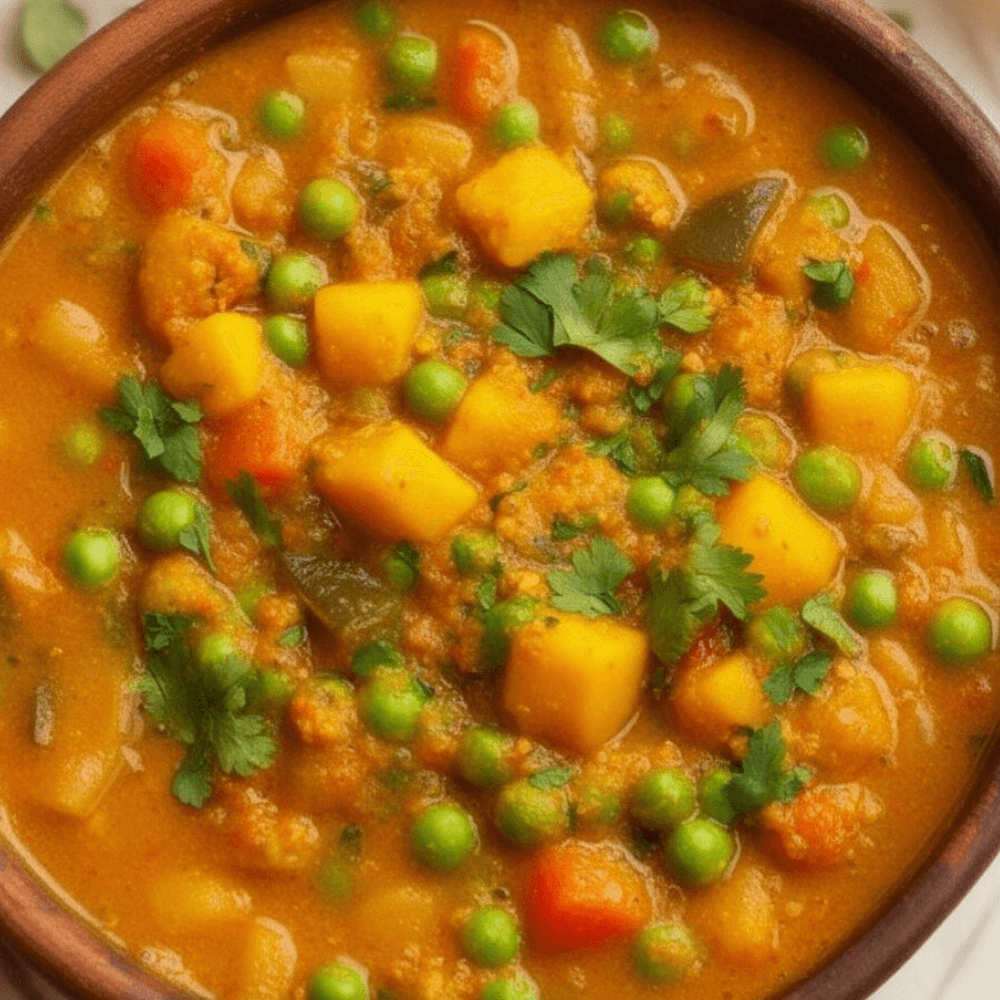
There’s nothing quite like a comforting bowl of curry to warm the soul, and this incredible vegetable curry recipe is no exception. Bursting with vibrant flavors, wholesome ingredients, and a creamy, aromatic sauce, it’s a dish that promises both satisfaction and simplicity. Whether you’re a seasoned chef or a kitchen novice, preparing a delicious, healthy meal has never been easier. Get ready to transform everyday vegetables into an extraordinary culinary experience that will have everyone asking for seconds. This vegetable curry recipe is about to become your new favorite!
Why You Will Love This Dish
This isn’t just any vegetable curry; it’s a celebration of fresh produce and bold spices, designed to be both delicious and incredibly good for you. Here’s why this vegetable curry recipe is destined to become a staple in your rotation:
- It’s a naturally vegan curry recipe, perfect for plant-based eaters or anyone looking to incorporate more vegetables into their diet without compromising on flavor.
- This recipe delivers an authentic taste reminiscent of a traditional Indian mixed vegetable curry, but simplified for home cooking.
- It’s an easy vegetable curry with coconut milk, meaning minimal fuss and maximum flavor, making it ideal for weeknight dinners and busy schedules.
- Packed with nutrients and fiber, it’s truly the best healthy curry you can make at home, supporting a balanced lifestyle while satisfying your cravings.
- Naturally a gluten-free curry dinner option for those with dietary restrictions, ensuring everyone at your table can enjoy it.
Essential Ingredients for Vegetable Curry
The beauty of this vegetable curry recipe lies in its versatility and the quality of its components. We’ll be focusing on a colorful medley of fresh vegetables and a rich, fragrant base that ties everything together. While specific measurements are key for balance, feel free to adapt the vegetable quantities slightly to your liking and seasonal availability.
The Veggies: Potatoes, Carrots, Peas, and Bell Peppers
These chosen vegetables offer a fantastic blend of textures, colors, and nutrients, making this a truly balanced and inviting dish. For the best results, aim for fresh, firm produce when assembling your vegetable curry ingredients.
- Potatoes: Russet or Yukon Gold work wonderfully, absorbing the rich flavors and providing a satisfying bulk. Cut them into 1-inch cubes for even cooking.
- Carrots: Sweet and earthy, carrots add a lovely counterpoint and vibrant color. Slice them into half-moon shapes or smaller rounds.
- Bell Peppers: A mix of red and green bell peppers not only adds a pop of color but also a fresh, slightly sweet crunch. Dice them into 1-inch pieces.
- Green Peas: Frozen green peas are perfectly fine and add a burst of sweetness and vibrant green. Add them towards the end of cooking to maintain their freshness.
- Other great additions: Consider cauliflower florets, green beans, sweet potato, or even a handful of fresh spinach for extra greens and variety.
The Creamy Curry Base
This is where the magic happens! The base is what transforms simple vegetables into an exotic and deeply satisfying meal. Our vegetable curry ingredients are carefully selected to create a harmonious and aromatic blend.
- Coconut Oil: For sautéing, providing a subtle tropical note and a high smoke point.
- Onion & Garlic: The aromatic foundation of almost any great curry. Finely diced yellow onion and freshly minced garlic are essential for depth.
- Ginger: Freshly grated ginger adds a pungent, warming zing that brightens the entire dish. Don’t skip this!
- Tomato Paste: Adds depth, umami, acidity, and a rich color to the sauce.
- Crushed Tomatoes: Provides the bulk of the tomato flavor and liquid for the sauce, ensuring a robust body.
- Full-Fat Coconut Milk: The key to a luxurious, creamy texture and a subtle sweetness that balances the spices. Opt for full-fat for the richest flavor and silkiest consistency.
- Vegetable Broth: Thins the sauce to the desired consistency and adds another layer of savory flavor.
- Curry Spices: This is the heart of our vegetable curry recipe. A blend of ground cumin, ground coriander, turmeric, garam masala, and a pinch of cayenne pepper (for a gentle kick) creates that iconic, complex curry flavor.
- Salt & Fresh Black Pepper: To season and enhance all the wonderful flavors, adjusting to your preference.
- Fresh Cilantro: For garnish, adding a burst of freshness and an authentic finish.
“The secret to a truly exceptional curry lies in patiently blooming your spices. This unlocks their full aromatic potential and infuses the entire dish with unparalleled depth from the very beginning.” – Chef Anya Sharma
Step-by-Step Cooking Instructions
Follow these simple steps to create your perfect vegetable curry recipe. Precision in the early stages ensures a well-developed flavor profile and a truly delicious meal.
- Prepare Aromatics: Heat 1 tablespoon of coconut oil in a large pot or Dutch oven over medium heat. Add the diced onion and cook until softened and translucent, about 5-7 minutes. Stir in the minced garlic and grated ginger, cooking for another minute until fragrant.
- Bloom the Spices: Add the tomato paste and the dry curry spices (1 tsp ground cumin, 1 tsp ground coriander, 1/2 tsp turmeric, 1/2 tsp garam masala, 1/4 tsp cayenne pepper). Cook for 1-2 minutes, stirring constantly. This step is crucial for deepening the spice flavors and creating a rich aroma.
- Add Liquids & Tomatoes: Pour in one 28-oz can of crushed tomatoes, one 13.5-oz can of full-fat coconut milk, and 1 cup of vegetable broth. Stir well to combine, scraping up any browned bits from the bottom of the pot. Bring the mixture to a gentle simmer.
- Introduce Harder Vegetables: Add the cubed potatoes and sliced carrots to the simmering sauce. Cover the pot and cook for 15-20 minutes, or until the potatoes are almost tender. Stir occasionally to prevent sticking and ensure even cooking.
- Add Softer Vegetables: Uncover the pot, then add the diced bell peppers. Continue to simmer for another 5-7 minutes, or until all vegetables are tender-crisp.
- Finish with Peas: Stir in the green peas and cook for just 2-3 minutes more, until heated through. Season generously with salt and fresh black pepper to taste, adjusting as needed.
- Garnish and Serve: Remove from heat. Garnish with a generous sprinkle of fresh cilantro before serving your delicious easy vegetable curry with coconut milk.
Expert Cooking Tips and Variations
Elevate your vegetable curry recipe with these pro tips and creative variations. Experimentation is key to making this dish uniquely yours and finding your perfect flavor balance!
How to Thicken Vegetable Curry
If your curry sauce turns out thinner than desired, there are a few easy fixes to achieve that perfect, luscious consistency:
- Simmer Longer: The simplest method is to remove the lid and allow the curry to simmer gently for an additional 10-15 minutes. The excess liquid will naturally evaporate, thickening the sauce.
- Cornstarch Slurry: For a quicker fix, mix 1 tablespoon of cornstarch with 2 tablespoons of cold water to create a smooth slurry. Stir this mixture into the simmering curry and cook for 2-3 minutes, stirring constantly, until the sauce thickens to your liking.
- Mash Potatoes: Carefully remove a few cooked potato pieces from the pot, mash them thoroughly, and stir them back into the curry. The natural starch from the potatoes will help thicken the sauce subtly and add creaminess.
Protein Add-Ins: Tofu and Chickpeas
While this is a fantastic stand-alone vegan curry recipe, adding extra protein can make it even more substantial and filling, perfect for a robust main course:
- Tofu: Press extra-firm tofu to remove excess water, then cube and pan-fry or bake until golden and slightly crispy. Add the cooked tofu to the curry in the last 5-10 minutes of simmering, allowing it to absorb the rich flavors of the sauce.
- Chickpeas: A classic and wholesome addition to an Indian mixed vegetable curry. Simply drain and rinse a can of chickpeas, then add them along with the bell peppers, allowing them to heat through and meld beautifully with the sauce.
How to Store and Reheat Leftovers
This vegetable curry recipe often tastes even better the next day as the flavors deepen and meld. Proper storage is key to enjoying your leftovers safely and maximizing their deliciousness.
- Storage: Allow the curry to cool completely to room temperature. Transfer it to an airtight container and refrigerate for up to 3-4 days.
- Freezing: For longer storage, this curry freezes beautifully. Portion it into freezer-safe containers or heavy-duty freezer bags and freeze for up to 3 months. Thaw overnight in the refrigerator before reheating.
- Reheating: Gently reheat on the stovetop over medium-low heat, stirring occasionally, until warmed through. If the curry is too thick, add a splash of vegetable broth or water to reach the desired consistency. Microwaving is also an option for individual portions.
What to Serve with Vegetable Curry
A well-rounded meal enhances the experience of any best healthy curry. Here are some classic accompaniments to complete your delicious vegetable curry recipe meal:
- Basmati Rice: Fluffy, aromatic basmati rice is the quintessential pairing, perfect for soaking up every last drop of the rich, flavorful sauce.
- Naan Bread: Warm, soft naan bread (or gluten-free naan for a complete gluten-free curry dinner) is excellent for tearing and scooping up the curry.
- Quinoa or Brown Rice: For an even healthier and nutrient-dense option, serve your curry with high-protein quinoa or fiber-rich brown rice.
- Raita or Yogurt: A cooling side of raita (yogurt with finely chopped cucumber, mint, and a touch of cumin) or plain unsweetened yogurt helps balance the spice and adds a refreshing element.
- Fresh Salad: A simple green salad with a light vinaigrette offers a refreshing contrast to the richness of the curry.
Frequently Asked Questions
Here are some common questions about making the perfect vegetable curry recipe, designed to provide quick, clear answers for a seamless cooking experience.
Q: Can I use light coconut milk instead of full-fat?
A: Yes, you can use light coconut milk for a lighter version of this easy vegetable curry with coconut milk. However, it will result in a thinner sauce and a less rich, less creamy flavor profile. You might need to thicken it slightly more using one of the methods mentioned in our tips section.
Q: What are the essential curry spices for this recipe?
A: The core curry spices that form the aromatic foundation for this vegetable curry recipe include ground cumin, ground coriander, turmeric, and garam masala. A pinch of cayenne pepper is added for a mild, pleasant heat, which can be adjusted to your preference.
Q: How can I make this curry spicier?
A: To increase the heat in your vegetable curry recipe, you can add more cayenne pepper or a chopped green chili (like a serrano or jalapeño) along with the garlic and ginger at the beginning. You can also finish with a dash of red pepper flakes for an extra kick.
Q: Is this a truly gluten-free curry dinner?
A: Yes, this specific vegetable curry recipe is inherently gluten-free, provided you use gluten-free vegetable broth and ensure any store-bought curry powders or pastes (though we use individual spices here) are certified gluten-free. Serve with rice or gluten-free naan for a complete gluten-free curry dinner.
Q: Can I prepare the vegetables ahead of time?
A: Absolutely! You can chop all your vegetables a day in advance and store them in separate airtight containers in the refrigerator. This “mise en place” makes the actual cooking process for your vegan curry recipe much faster and more convenient on busy weeknights.
We hope this comprehensive guide inspires you to create your own amazing vegetable curry recipe. It’s more than just a meal; it’s a vibrant, healthful, and utterly delicious experience waiting to be savored. Enjoy the process of cooking and the joy of sharing this wonderful dish with loved ones.
For more delicious recipes, cooking tips, and behind-the-scenes glimpses into our culinary adventures, be sure to follow us on Facebook at https://www.facebook.com/profile.php?id=61568538666337. We can’t wait to connect with you there!
The Best Vegetable Curry
Ingredients
- 2 medium Potatoes Diced
- 2 medium Carrots Chopped
- 1 large Bell pepper Sliced
- 1 cup Green peas Frozen or fresh
- 1 can (13.5 oz) Coconut milk Full-fat
- 2 tbsp Curry powder Mild or spicy
- 1 tbsp Olive oil
- 1 medium Yellow onion Diced
- 3 cloves Garlic Minced
- 1 tbsp Fresh ginger Minced
- 1 cup Vegetable broth
- 1/4 cup Fresh cilantro Chopped, for garnish
Instructions
- Heat the olive oil in a large pot or Dutch oven over medium heat.
- Add the diced onion and saute for 4 to 5 minutes until translucent.
- Stir in the minced garlic, ginger, and curry powder, cooking for 1 minute until fragrant.
- Add the diced potatoes, chopped carrots, sliced bell peppers, coconut milk, and vegetable broth. Stir well to combine.
- Bring the mixture to a simmer, then reduce the heat to low, cover, and cook for 15 to 20 minutes, or until the potatoes and carrots are fork-tender.
- Stir in the green peas and cook for an additional 2 to 3 minutes until heated through.
- Garnish with fresh chopped cilantro and serve hot over rice or with warm naan bread.
For more daily recipes and tips, follow us on Facebook!
Click here to join our community!