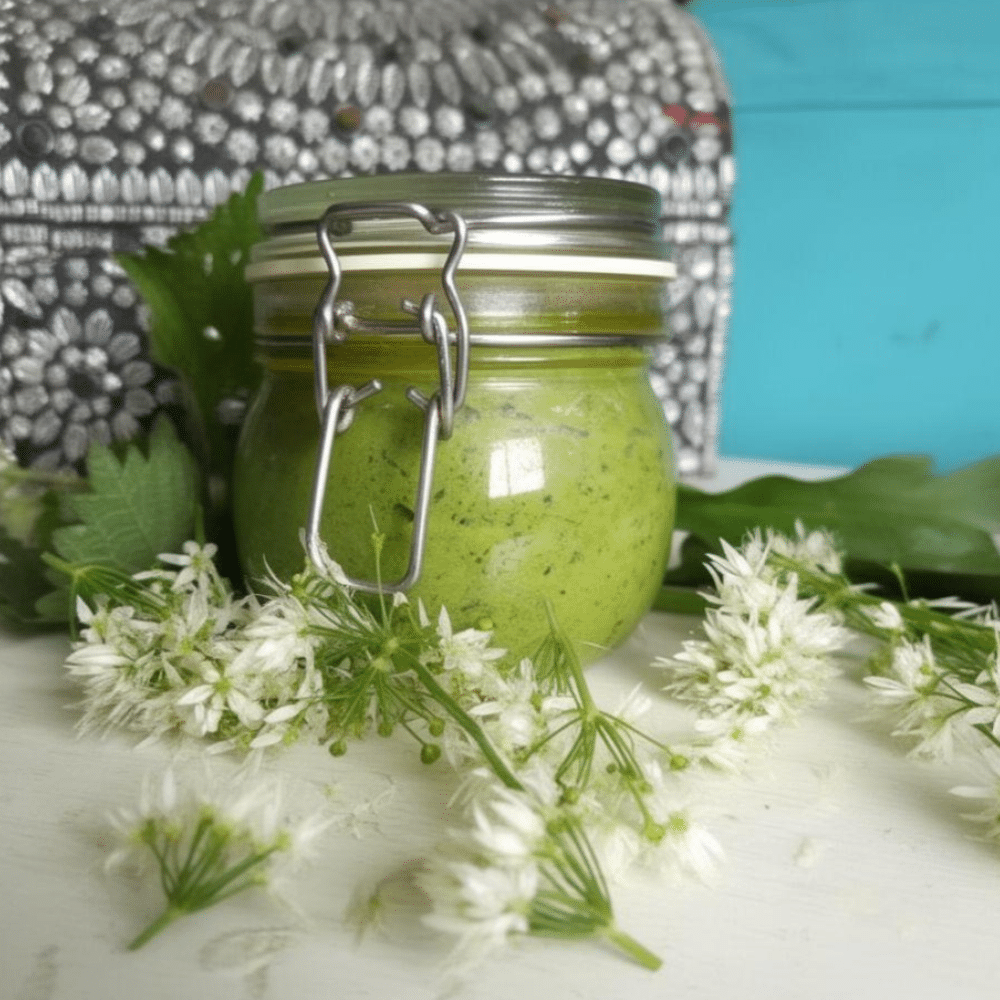
As the days lengthen and a gentle warmth returns to the air, there’s a magical transformation happening in woodlands and hedgerows across the land. This is the signal for foragers everywhere to don their boots and baskets, seeking out the vibrant emerald treasures of spring. And among these edible delights, two stand out for their incredible flavor and versatility: wild garlic and stinging nettles. Together, they form the heart of an absolutely sensational spread, a truly seasonal masterpiece: Wild Garlic Nettle Pesto.
Imagine a pesto bursting with the fresh, pungent kick of woodland garlic and the earthy, verdant notes of young nettles. This isn’t just a condiment; it’s a celebration of nature’s bounty, a taste of spring in every bite. Making your own foraged greens pesto is a deeply rewarding experience, connecting you directly to the rhythms of the season and delivering a dish that’s miles beyond anything store-bought.
Why Forage for Spring Greens?
There’s an undeniable charm to gathering your own ingredients directly from nature. It’s an ancient practice that grounds us, offering not just sustenance but also a deeper appreciation for the land. Spring, in particular, is a time of incredible abundance, offering tender, nutrient-dense greens that are simply unparalleled in flavor and freshness.
The Magic of Wild Garlic (Ramsons)
If you’ve ever walked through a damp woodland in spring and caught an unmistakable garlicky scent, you’ve likely encountered wild garlic (also known as ramsons or bear garlic). These vibrant green leaves blanket the forest floor, offering a milder, sweeter garlic flavor than their cultivated cousins. The beauty of wild garlic leaves is their versatility – perfect for pestos, soups, salads, or simply wilted into a pan. Discovering a patch of `woodland garlic` is like striking culinary gold, and integrating it into a ramson recipe like this pesto is a fantastic way to capture its fleeting seasonal taste.
The Nutritional Power of Stinging Nettles
Often dismissed as a troublesome weed, the humble `stinging nettle` is, in fact, a nutritional powerhouse. Rich in vitamins A, C, and K, as well as minerals like iron and calcium, these often-maligned plants are a fantastic addition to any diet. Don’t let their sting deter you; once blanched or cooked, they lose their stinging properties completely, transforming into a delicious, spinach-like green. Incorporating them into `stinging nettle recipes` not only boosts the nutritional profile of your meal but also adds a unique, earthy depth that complements wild garlic beautifully.
Essential Tips for Harvesting and Handling Nettles
Foraging should always be done responsibly and safely. Make sure you are confident in identifying your plants and only pick from areas you know haven’t been sprayed with chemicals or are heavily polluted. Always leave plenty behind for wildlife and for the plant to regenerate.
How to Forage Safely (Wear Gloves!)
When it comes to `stinging nettles`, safety is paramount. Their tiny, hollow hairs contain formic acid, which causes the characteristic sting. Always wear sturdy gloves, long sleeves, and even long trousers when harvesting. Use scissors to snip the tender, young leaves from the top of the plant – these are the most palatable and least fibrous. For wild garlic, simply pick the leaves, ensuring you leave the bulbs in the ground so they can return next year.
How to Blanch Nettles to Remove the Sting
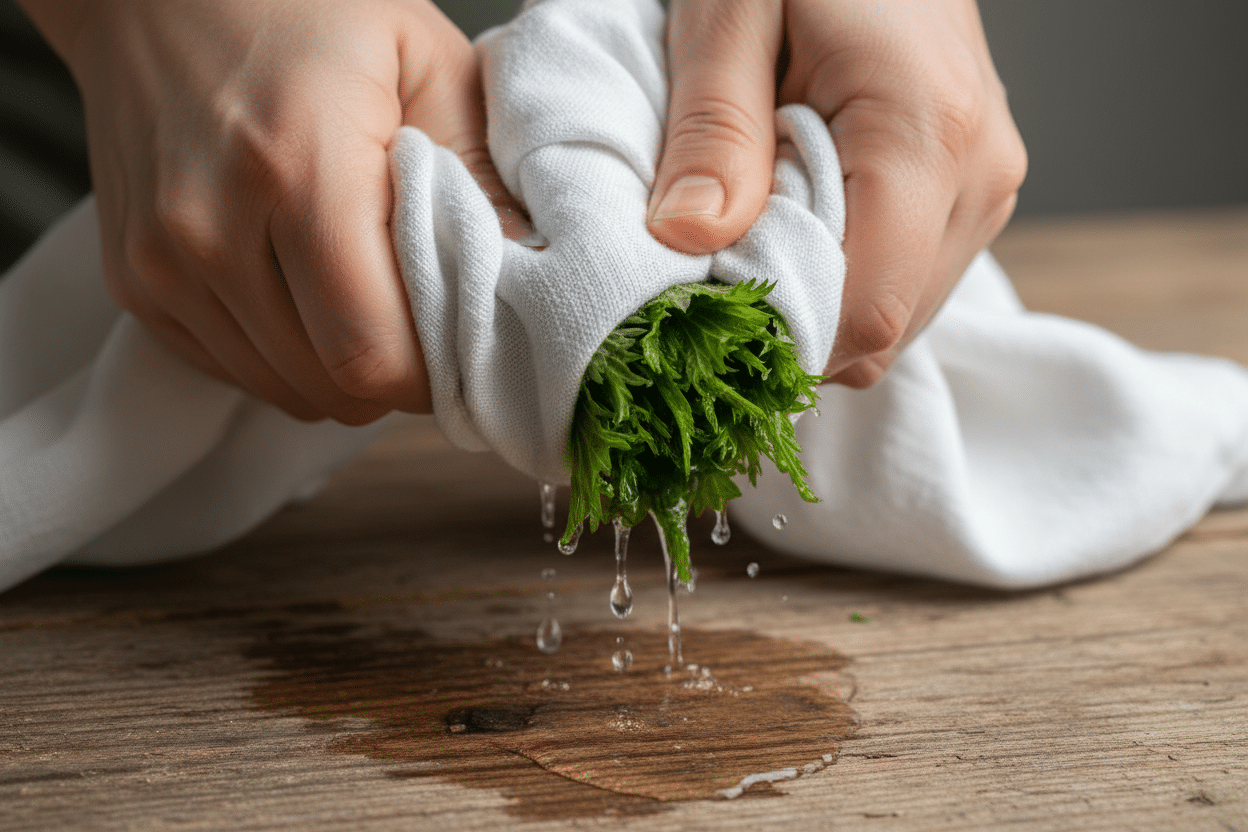
The key to enjoying nettles without any discomfort lies in the proper preparation. `Blanching nettles` is a simple yet essential step. Once you’ve gathered your nettles, give them a good rinse to remove any dirt or insects. Then, bring a pot of salted water to a rolling boil. Carefully plunge the nettles into the boiling water for about 30 seconds to a minute, just until they wilt and their vibrant green color intensifies. Immediately transfer them to an ice bath to stop the cooking process and preserve their color. Squeeze out as much excess water as possible before using them in your pesto.
Key Ingredients for the Perfect Foraged Pesto
While the greens are the star, the supporting cast of ingredients plays a crucial role in creating a truly balanced and delicious `foraged greens pesto`.
Balancing the Greens: Ratios of Garlic to Nettle
The beauty of homemade pesto is that you can adjust it to your personal taste. For this `Wild Garlic Nettle Pesto`, a good starting point is roughly equal parts wild garlic leaves and blanched nettles. However, if you prefer a stronger garlic punch, increase the wild garlic. If you want a milder, more herbaceous pesto, lean more heavily on the nettles. Don’t be afraid to experiment!
Choosing Your Nuts and Cheese
Traditionally, pesto uses `pine nuts`, and for good reason – their creamy texture and subtle sweetness perfectly complement the vibrant greens. You can lightly toast them for an even deeper, nuttier flavor. For the cheese, a good quality hard cheese like `Parmesan cheese` (or a similar vegetarian hard cheese) adds a salty, umami depth that is irreplaceable. If you’re aiming for a vegan pesto, simply omit the cheese and consider adding a tablespoon of nutritional yeast for a cheesy flavor.
The Importance of High-Quality Extra Virgin Olive Oil
The olive oil isn’t just a binder; it’s a key flavor component. Invest in a good quality extra virgin olive oil. Its fruity, peppery notes will elevate your pesto, bringing all the ingredients together in a harmonious symphony of taste. Avoid using cheap, flavorless oils, as they will detract from the overall quality of your `spring foraging recipes`.
Step-by-Step Guide to Making Wild Garlic Nettle Pesto
Gather your ingredients, clear your workspace, and get ready to create something truly special. This process is straightforward and incredibly rewarding.
Preparing and Blanching the Greens
- Thoroughly wash your freshly foraged wild garlic leaves and nettles.
- Bring a large pot of salted water to a rolling boil. Prepare an ice bath (a bowl of cold water with ice cubes) nearby.
- Using tongs, carefully plunge the nettles into the boiling water for 30-60 seconds, until they wilt and turn a deeper green.
- Immediately transfer the blanched nettles to the ice bath to cool rapidly. Once cool, squeeze out as much excess water as possible.
- Roughly chop the blanched nettles and wild garlic leaves to help your food processor.
Toasting the Pine Nuts for Extra Depth
- Heat a dry frying pan over medium heat.
- Add your pine nuts and toast for 2-4 minutes, stirring constantly, until they are lightly golden and fragrant. Be careful not to burn them, as they can go from toasted to burnt very quickly.
- Remove from the pan and set aside to cool.
Blending to the Perfect Consistency
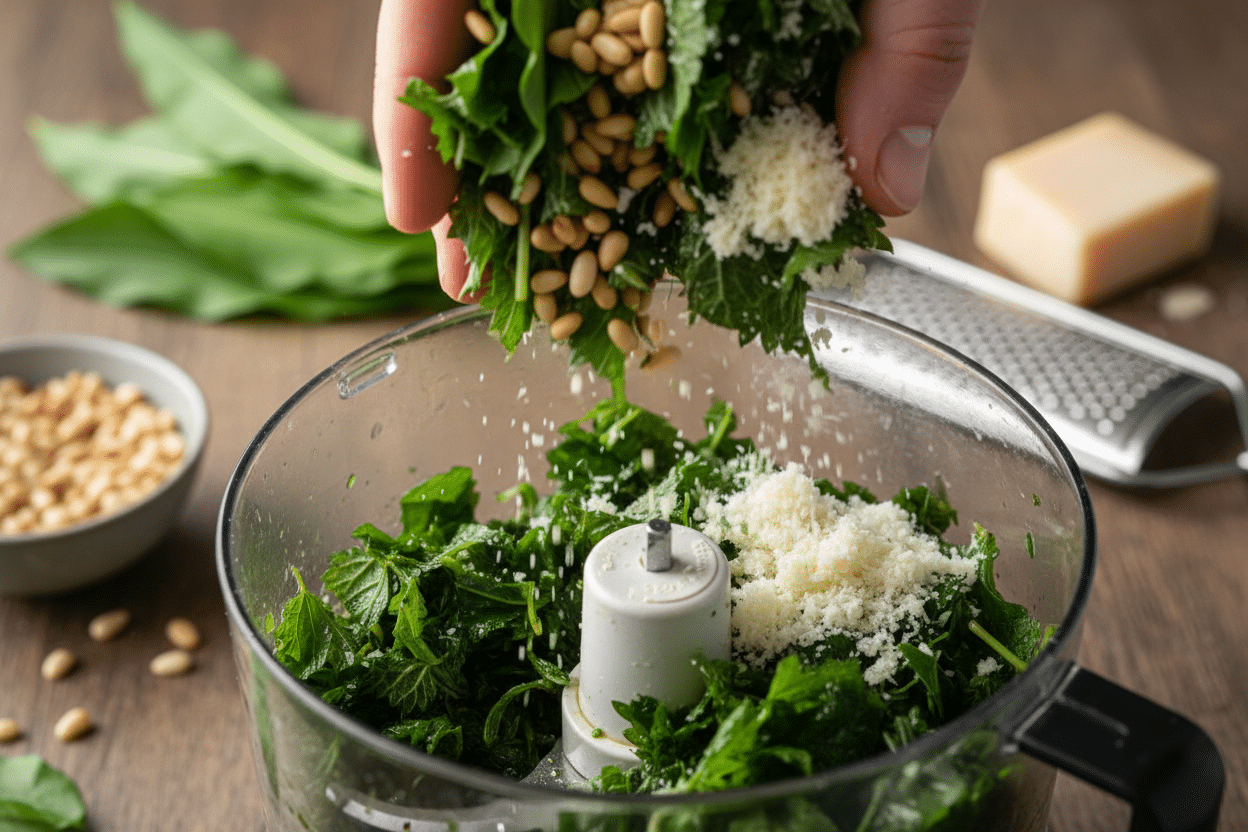
- In a food processor, combine the blanched nettles, wild garlic leaves, toasted pine nuts, grated Parmesan cheese, and a pinch of salt and black pepper.
- Pulse the ingredients a few times to start breaking them down.
- With the food processor running on low, slowly drizzle in the extra virgin olive oil until you reach your desired consistency. Some prefer a chunkier pesto, while others like it smoother. Stop before it becomes a completely smooth paste; a little texture is often desirable.
- Taste and adjust seasonings. You might need a little more salt, cheese, or even a squeeze of lemon juice to brighten the flavors.
Storing and Preserving Your Pesto
Making a batch of `Wild Garlic Nettle Pesto` means you’ll want to savor it for as long as possible. Proper storage is key to maintaining its vibrant flavor and color.
Fridge Storage and the Olive Oil Seal
To store your fresh pesto in the refrigerator, transfer it to an airtight container or a jar. Press the pesto down to remove any air pockets. Then, pour a thin layer of extra virgin olive oil over the surface. This creates a protective seal that helps prevent oxidation and keeps the pesto fresh and green for up to 1-2 weeks. Without this oil layer, the pesto can quickly turn brown and lose its vibrant appeal.
Freezing Pesto in Ice Cube Trays
For longer-term storage, freezing is an excellent option. Spoon the pesto into ice cube trays and freeze until solid. Once frozen, pop the pesto cubes out and transfer them to a freezer-safe bag or container. This way, you can easily grab a portion whenever you need it. Frozen pesto will keep well for several months, allowing you to enjoy the taste of spring well into summer and beyond.
Delicious Ways to Use Your Pesto
This `Wild Garlic Nettle Pesto` is incredibly versatile and can elevate a multitude of dishes. Its fresh, zesty, and earthy notes make it a perfect companion for many spring ingredients.
Tossing with Fresh Pasta
Perhaps the most classic way to enjoy pesto is tossed with freshly cooked pasta. Simply reserve a little of the starchy pasta water to loosen the pesto, creating a luscious sauce that clings beautifully to every strand. Garnish with a sprinkle of extra Parmesan and a few fresh wild garlic leaves.
Spreading on Bruschetta and Sandwiches
For a quick and delicious appetizer or light meal, spread your pesto generously on toasted bruschetta or crusty bread. Top with fresh tomatoes, mozzarella, or roasted vegetables. It also makes an incredible spread for sandwiches, adding a gourmet touch to your lunch.
Swirling into Spring Soups
Add a spoonful of pesto to finish off a bowl of warm, comforting soup. Its vibrant flavor will awaken the senses and add a fresh, herbaceous kick to spring vegetable soups, potato soup, or even a simple chicken broth. Stir it in just before serving to preserve its fresh taste and color.
Frequently Asked Questions (FAQs)
Can I Use Dried Nettles Instead of Fresh?
While fresh nettles are ideal for their vibrant flavor and tender texture, you can use dried nettles in a pinch. If using dried, you’ll need to rehydrate them first by soaking them in hot water for about 15-20 minutes, then squeezing out the excess liquid. However, expect a slightly earthier, less bright flavor compared to using fresh, blanched leaves.
What if I Can’t Find Wild Garlic?
If `woodland garlic` isn’t available in your area, you can substitute it with a combination of regular garlic and fresh herbs like parsley or chives. Use fewer regular garlic cloves, as its flavor is much stronger, and add more fresh herbs to achieve that verdant freshness. You can also look for ramps (wild leeks) if they grow locally, as they offer a similar garlicky-oniony note.
Is Nettle Pesto Vegan-Friendly?
Yes, absolutely! To make this `stinging nettle recipe` vegan, simply omit the Parmesan cheese. For a cheesy flavor, you can add 1-2 tablespoons of nutritional yeast to the food processor. This will give your vegan pesto a lovely umami depth without any dairy, making it suitable for everyone to enjoy.
Spring foraging offers an unparalleled opportunity to connect with nature and create truly unique dishes. This `Wild Garlic Nettle Pesto` is a prime example of how simple, foraged ingredients can transform into something extraordinary. It’s a taste of the season, a vibrant burst of freshness that will elevate any meal.
I hope this guide inspires you to explore the wonders of spring foraging and to create your own delicious batch of `Wild Garlic Nettle Pesto`. It’s truly one of my favorite `spring foraging recipes` to make and share!
For more foraging adventures, seasonal recipes, and culinary inspiration, be sure to follow my Facebook page:
Find more delightful seasonal recipes and foraging tips by following my adventures on Facebook! You can find us here: https://www.facebook.com/profile.php?id=61568538666337
Wild Garlic Nettle Pesto
Ingredients
- 75 g wild garlic leaves washed and roughly chopped
- 75 g young stinging nettles washed
- 50 g pine nuts toasted
- 50 g parmesan cheese grated
- 150 ml extra virgin olive oil plus extra for sealing the jar
- 1/2 lemon zested and juiced
- 1 pinch sea salt to taste
- 1 pinch black pepper to taste
Instructions
- Put on a pair of thick rubber or gardening gloves to safely handle the fresh stinging nettles.
- Bring a large pot of salted water to a rolling boil and prepare a separate bowl of ice water.
- Carefully drop the nettles into the boiling water and blanch for 1 to 2 minutes to completely remove their sting.
- Using tongs, immediately transfer the blanched nettles into the ice water to stop the cooking process and lock in their bright green color.
- Once cooled, drain the nettles and use a clean kitchen towel to firmly squeeze out as much excess moisture as possible. Roughly chop the nettles.
- In a dry skillet over medium heat, toast the pine nuts for 2 to 3 minutes until golden and fragrant, then set aside to cool.
- Add the chopped blanched nettles, fresh wild garlic leaves, toasted pine nuts, grated parmesan, and lemon zest to a food processor.
- Pulse the ingredients several times until they break down into a coarse, textured paste.
- With the food processor running on a low speed, slowly drizzle in the extra virgin olive oil until the pesto reaches your desired consistency.
- Transfer the mixture to a bowl, stir in the lemon juice, and season with sea salt and black pepper to taste.
- Spoon the pesto into a sterilized glass jar and pour a thin layer of olive oil over the surface to keep it fresh. Store in the refrigerator for up to two weeks.
For more daily recipes and tips, follow us on Facebook!
Click here to join our community!