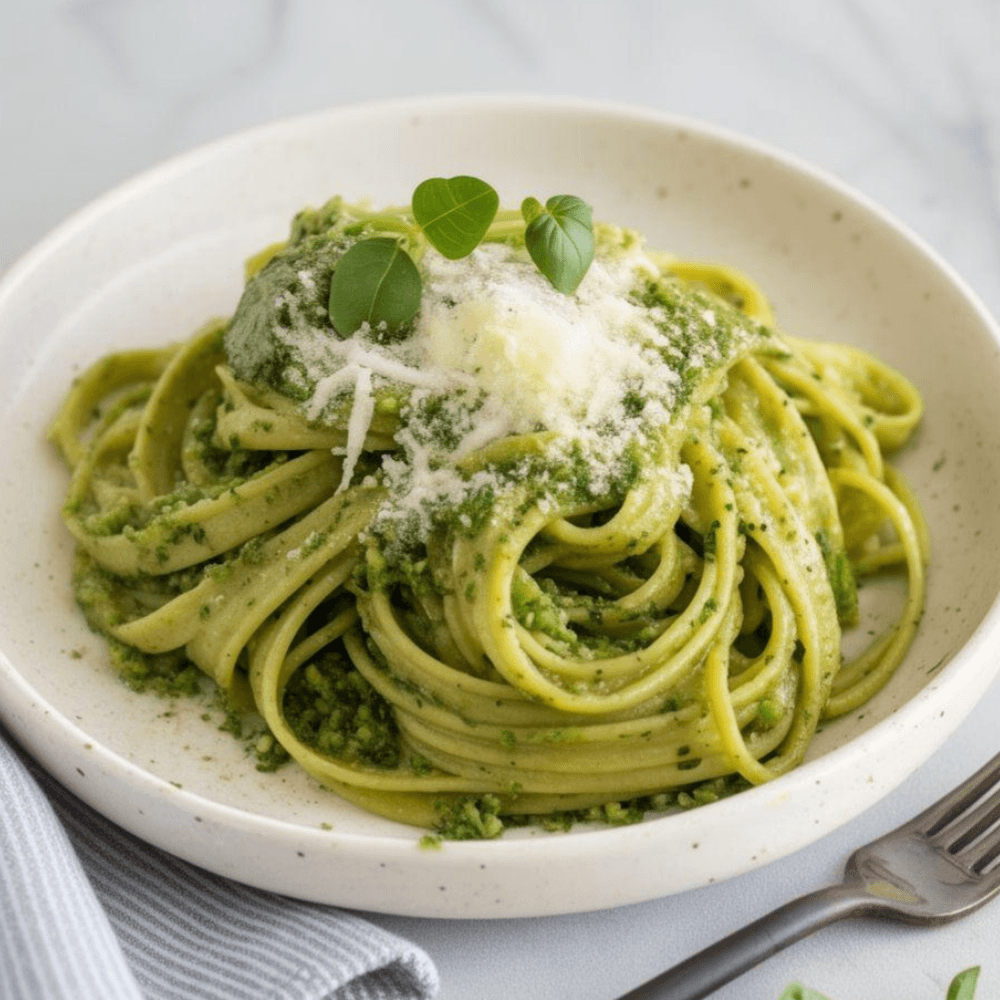
There’s nothing quite like the vibrant flavors of spring to refresh your palate. While classic pesto holds a special place in our hearts, sometimes you crave a dish with an extra spark, a little something unexpected. Enter Watercress Pesto Pasta – a sensational twist that takes the familiar comfort of pasta with pesto and elevates it with the bright, zesty kick of peppery greens. This isn’t just a meal; it’s a celebration of fresh ingredients, promising a memorable healthy pasta dinner that comes together surprisingly quickly.
Why You’ll Love This Watercress Pesto Pasta
A quick, easy, and elegant weeknight dinner that comes together in under 30 minutes.
A fantastic way to use nutrient-dense spring greens, adding a healthful boost to your plate.
Peppery, vibrant, and incredibly flavorful, offering a delightful alternative to traditional pesto.
This dish is designed for those busy evenings when you want something satisfyingly delicious without spending hours in the kitchen. The unique character of watercress transforms a simple pasta into an exciting culinary experience, making it a perfect quick linguine recipe to add to your rotation.
Essential Ingredients for the Perfect Pesto
Crafting a truly spectacular homemade pesto sauce begins with selecting the finest ingredients. Each component plays a crucial role in building the layered flavors that make this dish so irresistible.
The Greens: Watercress and Fresh Basil Leaves
The star of our pesto is undoubtedly watercress, bringing its signature crisp texture and a delightful peppery bite. To ensure the perfect balance, we temper its assertive character with the sweet, aromatic notes of fresh basil leaves. This combination creates a harmonious flavor profile that is both intriguing and comforting.
When preparing your watercress, it’s essential to remove any tough, woody stems. The tender leaves and thinner stems are where all the vibrant flavor resides. Give them a good wash under cold water and pat them dry thoroughly – excess moisture can make your pesto watery and compromise its texture.
The Base: Parmesan Cheese, Nuts, and Garlic
No pesto is complete without its foundational elements. For the nuts, you have a couple of excellent choices. While traditional pine nuts offer a buttery sweetness, toasted walnuts provide a deeper, earthier flavor that pairs beautifully with the peppery greens of the watercress. A quick toast in a dry pan enhances their natural oils, unlocking a richer, more complex taste that will truly elevate your homemade pesto sauce.
Next up is the cheese. Always opt for the unmatched flavor of freshly grated Parmesan. Pre-grated cheeses often contain anti-caking agents that can alter the texture and dull the taste of your pesto. A good block of Parmigiano-Reggiano, grated just before use, will lend a salty, umami depth that is simply irreplaceable. Finally, a clove or two of fresh garlic provides that essential pungent kick, awakening all the other flavors in the sauce.
The Pasta: Linguine Pasta and Alternatives
For a perfect coating every time, long noodles like linguine or spaghetti work best for pesto sauces. Their broad, flat surfaces and subtle curves allow the rich, thick pesto to cling beautifully, ensuring every bite is bursting with flavor. The slight chewiness of linguine pasta also provides a wonderful textural contrast to the smooth, verdant sauce. If linguine isn’t available, fettuccine or even a robust spaghetti would make excellent alternatives, offering that satisfying embrace of sauce to pasta.
Step-by-Step Instructions: Making Watercress Pesto
Making your own pesto might sound intimidating, but it’s surprisingly straightforward and incredibly rewarding. Here’s how to whip up this sensational sauce:
Prepare the Greens: In the bowl of a food processor, combine the cleaned watercress, fresh basil leaves, toasted nuts, garlic, and freshly grated Parmesan cheese. Pulse several times until the ingredients are finely chopped but not yet a paste. You want a slightly coarse texture at this stage.
Emulsify the Sauce: With the food processor running on low, slowly drizzle in a generous amount of good quality extra-virgin olive oil. Continue processing until the mixture comes together into a smooth, vibrant green sauce. You may need to stop and scrape down the sides a few times to ensure everything is incorporated evenly.
Season and Adjust: Taste the pesto and season with salt and freshly ground black pepper as needed. Remember that Parmesan cheese is already salty, so add judiciously. If you prefer a thinner sauce, you can add a tablespoon or two of cold water or a splash of lemon juice.
Cook the Pasta: Bring a large pot of salted water to a rolling boil. Add your linguine pasta and cook according to package directions until al dente. Before draining, make sure to reserve about a cup of the starchy pasta water – this is a secret weapon for achieving a perfectly silky sauce.
Toss for Perfect Coating: Drain the pasta and immediately transfer it back to the warm pot or a large mixing bowl. Add a generous amount of your fresh homemade pesto sauce, starting with about half a cup and adding more as needed. Begin tossing gently. If the sauce seems too thick, gradually add small splashes of the reserved pasta water, tossing continually, until the pesto beautifully coats every strand of pasta, creating a luscious, emulsified finish.
Expert Tip: Don’t dump all the pesto on at once! Start with a smaller amount and add more until you reach your desired coating and flavor intensity. This ensures your pasta isn’t oversauced.
Expert Tips for the Best Pesto Pasta
Elevate your watercress pesto pasta from good to truly extraordinary with these simple, yet impactful, culinary tricks.
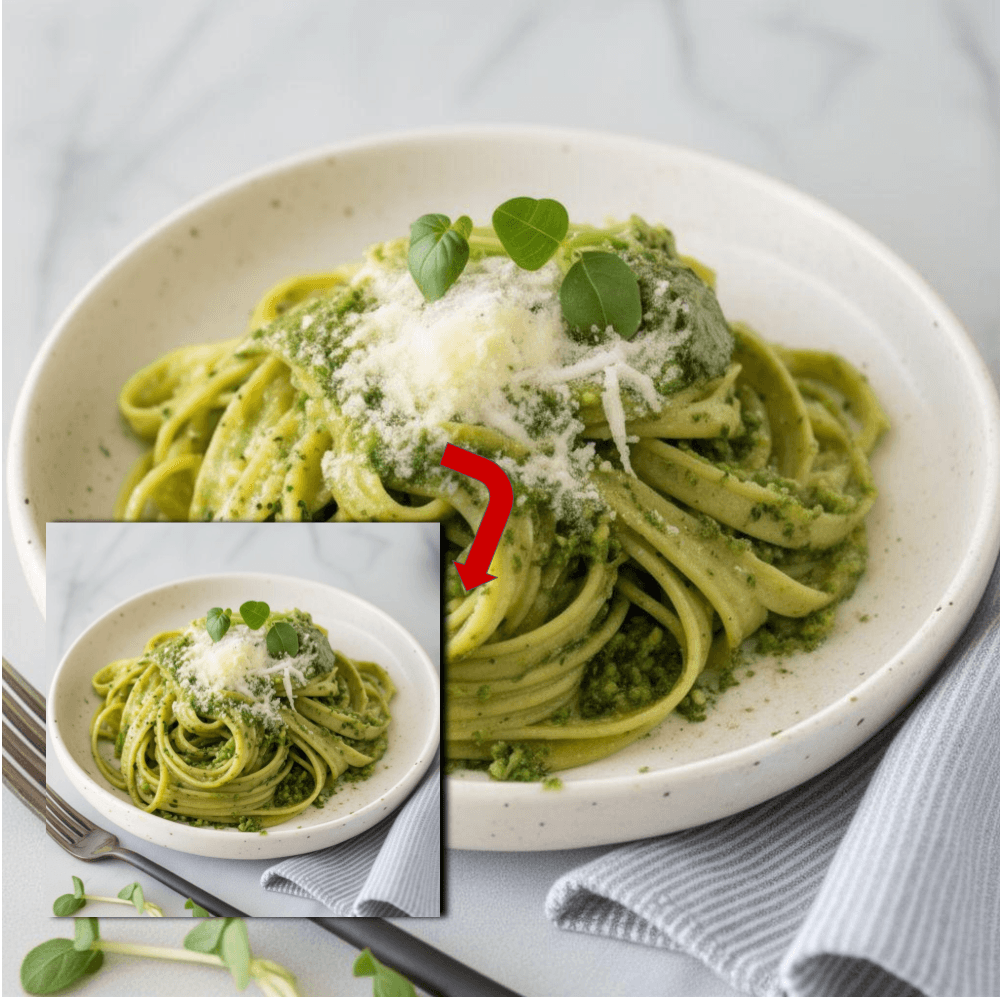
The Secret Ingredient: Reserving Starchy Pasta Water for a Silky Sauce. This is perhaps the most important tip for any pasta dish with sauce. The starchy water helps to bind the pesto to the pasta, creating a beautiful emulsion that clings to every strand. It also helps thin the sauce to the perfect consistency without diluting its flavor. Add it a tablespoon at a time until your sauce achieves that desirable silky texture.
Toasting the Nuts to Unlock a Deeper, Richer Flavor. Whether you choose pine nuts or walnuts, a quick toast in a dry pan over medium heat for 3-5 minutes (until fragrant) makes an incredible difference. This gentle heat releases their natural oils, intensifying their nutty essence and adding a layer of complexity that raw nuts simply can’t achieve. Just be careful not to burn them!
Techniques for Keeping the Pesto a Brilliant, Bright Green. To prevent oxidation and keep your homemade pesto sauce looking as vibrant as it tastes, here are a few tricks:
- Blanching the watercress briefly before processing can help set the color, though it’s often unnecessary with fresh watercress.
- Adding a squeeze of lemon juice not only brightens the flavor but also helps prevent browning.
- Once made, if not using immediately, cover the surface of the pesto directly with a thin layer of extra-virgin olive oil to create an airtight seal.
Delicious Variations to Try
This vegetarian pasta dish is wonderfully versatile, offering plenty of room for customization. Feel free to experiment and make it your own!
Adding Protein: Grilled Lemon Chicken or Sautéed Shrimp. For a heartier meal, grill some thinly sliced lemon chicken breasts or quickly sauté shrimp with a little garlic and olive oil. Both proteins complement the bright, peppery flavors of the watercress pesto beautifully.
Vegan Adaptations: Using Nutritional Yeast Instead of Parmesan Cheese. To make this a truly plant-based meal, simply swap the Parmesan cheese for nutritional yeast. It provides a savory, cheesy flavor without any dairy. Ensure your pasta is egg-free too, if strictly vegan.
Spice It Up: Adding a Pinch of Crushed Red Pepper Flakes. If you enjoy a little heat, a small pinch of crushed red pepper flakes added to the pesto as it processes, or even sprinkled over the finished dish, will provide a pleasant warmth that enhances the peppery notes of the watercress.
Serving Suggestions and Pairings
A dish as flavorful as watercress pesto pasta deserves thoughtful accompaniments to create a complete and delightful meal.
Ideal Side Salads and Homemade Garlic Bread. A simple, crisp green salad with a light vinaigrette makes a perfect counterpoint to the rich pesto. For extra indulgence, don’t forget generous slices of homemade garlic bread or focaccia, perfect for soaking up any extra sauce.
Wine Pairings for Peppery Green Sauces. When it comes to wine, look for something crisp and refreshing that can stand up to the pesto’s vibrant flavor. A zesty Sauvignon Blanc or a dry Pinot Grigio are excellent choices. Their bright acidity and subtle herbal notes will beautifully complement the peppery greens without overpowering the dish.
Storing and Freezing Homemade Pesto
Making a batch of homemade pesto sauce means you’ll likely have some delicious leftovers, and thankfully, it stores wonderfully.
Best Practices for Keeping Leftovers Fresh in the Fridge. Transfer any remaining pesto to an airtight container. Pour a thin layer of extra-virgin olive oil over the surface to create a barrier against air, which helps prevent browning and keeps it fresh for up to a week in the refrigerator. Stir before using.
Freezing Pesto in Ice Cube Trays for Easy Future Meals. For longer storage, portion your pesto into ice cube trays. Once frozen solid, pop out the pesto cubes and transfer them to a freezer-safe bag or container. These convenient portions can be stored for several months and are perfect for quickly adding a burst of flavor to future pasta dishes, soups, or sandwiches. Just thaw and enjoy!
Frequently Asked Questions (FAQs)
Can I use a different type of pasta shape?
Absolutely! While long noodles like linguine pasta are traditional, you can certainly use other shapes. Shorter pasta like penne, fusilli, or farfalle will also work well, especially if you prefer a different texture or are serving it as a cold pasta salad. The key is to ensure the sauce has plenty of nooks and crannies to cling to.
Is watercress pesto too bitter for kids?
Watercress does have a distinct peppery, slightly bitter note, which might be new for some children. However, when blended into a pesto with sweet basil, garlic, and Parmesan, the flavors become much more balanced and approachable. You can also adjust the watercress-to-basil ratio to include more basil if you’re concerned about the pepperiness. Often, a small serving alongside a familiar side can encourage them to try new flavors.
Can I make the pesto sauce ahead of time?
Yes, homemade pesto sauce is fantastic for meal prep! You can prepare the pesto up to 5-7 days in advance and store it in the refrigerator as described above, ensuring a layer of olive oil covers the surface. This makes it incredibly convenient to whip up a quick linguine recipe on a busy weeknight.
From its vibrant color to its exhilarating flavor, this watercress pesto pasta is more than just a meal; it’s an experience. It’s a testament to how simple, fresh ingredients can come together to create something truly extraordinary. Whether you’re seeking a healthy pasta dinner, a quick weeknight solution, or simply a delicious way to enjoy spring greens, this recipe is sure to become a cherished addition to your culinary repertoire. Don’t forget to share your creations and culinary adventures with us!
For more delicious watercress recipes, behind-the-scenes glimpses, and engaging food content, be sure to follow our Facebook page: https://www.facebook.com/profile.php?id=61568538666337. We’d love to connect with you!
Fresh Watercress Pesto Pasta
Ingredients
- 12 oz Linguine pasta
- 2 cups Fresh watercress tough stems removed
- 1 cup Fresh basil leaves
- 1/2 cup Grated Parmesan cheese plus extra for garnish
- 1/3 cup Pine nuts toasted
- 2 Garlic cloves peeled
- 1/2 cup Extra-virgin olive oil
- 1 tbsp Lemon juice freshly squeezed
- 1/2 tsp Kosher salt or to taste
- 1/4 tsp Black pepper freshly ground
Instructions
- Bring a large pot of generously salted water to a boil. Add the linguine pasta and cook according to the package instructions until al dente.
- While the pasta cooks, prepare the pesto. In a food processor, combine the fresh watercress, fresh basil leaves, Parmesan cheese, toasted pine nuts, garlic cloves, and lemon juice. Pulse until the mixture is coarsely chopped.
- With the food processor running on a low setting, slowly drizzle in the extra-virgin olive oil until the pesto becomes a smooth, emulsified sauce. Taste and season with kosher salt and black pepper.
- Drain the linguine, making sure to reserve at least half a cup of the starchy pasta water. Return the drained pasta to the pot or place it in a large serving bowl.
- Add the watercress pesto to the warm linguine. Toss gently to coat the noodles evenly. If the sauce seems too thick, splash in the reserved pasta water a little at a time until the desired silky consistency is reached.
- Divide the pasta among serving bowls. Garnish with extra grated Parmesan cheese and a few fresh basil or watercress leaves. Serve immediately.
For more daily recipes and tips, follow us on Facebook!
Click here to join our community!