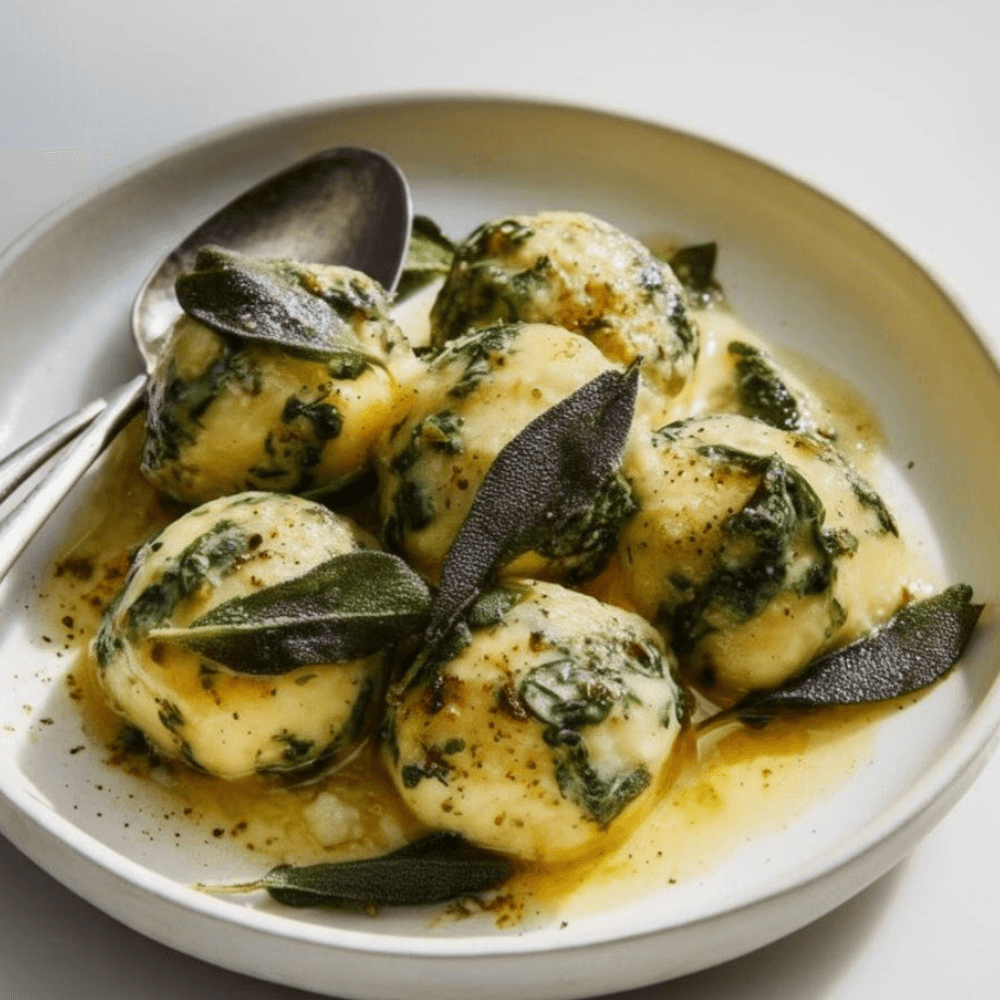
Welcome, fellow food lovers! Today, we’re diving headfirst into a dish that embodies the very soul of Italian comfort food: the exquisite Spinach Ricotta Gnudi. Imagine fluffy, cloud-like dumplings that melt in your mouth, bathed in a fragrant brown butter sage sauce. This isn’t just a meal; it’s an experience, a whisper of Tuscan tradition brought right to your kitchen.
Often referred to as “naked ravioli” because they’re essentially the filling without the pasta casing, these delightful morsels are deceptively simple to make and promise an unforgettable culinary journey. Forget dense, heavy dumplings; we’re aiming for ethereal lightness here. Let’s get cooking!
What is Spinach Ricotta Gnudi?
At its heart, gnudi (pronounced NYOO-dee) are small, soft dumplings made primarily from fresh ricotta cheese, spinach, a touch of egg, and just enough flour to hold them together. Unlike their starchier cousins, these Italian dumplings are celebrated for their incredibly delicate and pillowy texture. They are a beloved expression of Tuscan comfort food, offering a luxurious mouthfeel and a subtle richness that makes them utterly irresistible.
The beauty of these spinach and ricotta dumplings lies in their simplicity, allowing the high-quality ingredients to truly shine. Each bite is a testament to the idea that sometimes, the most profound flavors come from the fewest, freshest components.
Gnudi vs. Gnocchi vs. Ravioli
While often grouped together, gnudi, gnocchi, and ravioli are distinct culinary creations:
- Gnudi: These are essentially the filling of a ravioli, freed from its pasta shell. They are predominantly ricotta-based, giving them an exceptionally light and airy texture. They contain very little flour, relying on the ricotta and a crucial chilling period to maintain their shape.
- Gnocchi: Traditionally made from potatoes, gnocchi are denser and typically have a chewier texture than gnudi. While there are ricotta gnocchi variations, the classic potato gnocchi has a distinct earthiness and a more substantial bite.
- Ravioli: These are a type of pasta with a filling, typically made from two sheets of pasta dough sealed around a savory mixture (which could be ricotta and spinach, meat, or vegetables). The pasta itself provides a more robust texture and serves as an edible package for the delicious contents.
So, while they all fall under the broad category of Italian dumplings, gnudi stand apart for their emphasis on pure, unadulterated ricotta goodness and their supremely tender consistency.
Why You’ll Love This Spinach Ricotta Gnudi Recipe
There are countless reasons to adore these spinach and ricotta dumplings, but here are a few that stand out:
- Unparalleled Texture: They are truly melt-in-your-mouth light, a stark contrast to many heavier pasta dishes.
- Simple Elegance: Despite their sophisticated appeal, the process is straightforward, yielding impressive results with minimal fuss.
- Flavorful Comfort: The combination of creamy ricotta, earthy spinach, and the classic brown butter sage sauce is the epitome of rich, satisfying Tuscan comfort food.
- Rewarding Experience: There’s immense satisfaction in creating such a delicious and delicate dish from scratch.
- Versatility: While the brown butter sage sauce is a classic, these naked ravioli can beautifully complement a variety of other light sauces.
This recipe provides a delicious escape to the Italian countryside, all from the comfort of your own kitchen.
Key Ingredients for Perfect Gnudi
The beauty of gnudi lies in its simplicity. Quality ingredients are paramount to achieving that exquisite taste and texture:
- Ricotta Cheese: This is the star! Use fresh, whole milk ricotta if possible. Its richness contributes to the creamy texture.
- Fresh Spinach: Cooked and *very* well-drained. Frozen spinach can be used, but ensure it’s completely thawed and squeezed dry.
- Egg Yolk: Acts as a binder, helping the dumplings hold their shape.
- Nutmeg: A classic pairing with spinach and ricotta, it adds a subtle warmth and depth of flavor.
- Salt and Pepper: To season the mixture.
- Semolina Flour: This is crucial. It gives the gnudi a slightly firmer exterior while keeping the interior tender. It also helps with the drying process during chilling.
- Unsalted Butter: For the glorious brown butter sage sauce.
- Fresh Sage Leaves: Infuse the butter with their aromatic, earthy flavor.
- Parmigiano-Reggiano: For grating over the finished dish.
The Importance of Draining the Ricotta
This single step is arguably the most critical for achieving truly pillowy, light gnudi. Ricotta cheese naturally contains a lot of moisture, and if not removed, this excess water will make your gnudi mixture too loose and sticky. The result? Dense, heavy dumplings that fall apart when cooked.
How to drain ricotta:
- Line a fine-mesh colander with a few layers of cheesecloth or a clean kitchen towel.
- Spoon the ricotta into the lined colander.
- Gather the edges of the cheesecloth and twist gently to squeeze out initial liquid.
- Place a plate on top of the ricotta and weigh it down with something heavy (like a few cans of food or a heavy bowl).
- Place the colander over a bowl to catch the draining liquid and refrigerate for at least 4 hours, or preferably overnight. You’ll be surprised how much water comes out!
A well-drained ricotta will be firm and crumbly, providing the perfect foundation for your delicate dumplings.
Step-by-Step Instructions
1. Prepping the Spinach and Ricotta
- Drain the Ricotta: As mentioned, this is paramount. Drain your ricotta cheese thoroughly, ideally overnight in the refrigerator.
- Prepare the Spinach: If using fresh spinach, sauté it briefly in a dry pan until wilted, or blanch it in boiling water for 30 seconds. Immediately transfer to an ice bath to stop cooking, then drain and squeeze out as much water as humanly possible. Use a clean kitchen towel or cheesecloth and twist fiercely until not a single drop remains. This step is just as important as draining the ricotta!
- Combine Ingredients: In a large bowl, combine the well-drained ricotta, squeezed spinach, egg yolk, a generous pinch of nutmeg, salt, and freshly ground black pepper. Mix gently until just combined. You don’t want to overmix, as this can develop the gluten in the small amount of flour we’ll add and make the gnudi tough.
- Add Semolina Flour: Gradually add about 1/4 cup of semolina flour to the mixture, mixing until just incorporated. The mixture should be soft but pliable enough to handle. It will still be quite sticky – that’s normal for these delicate dumplings.
2. Shaping the Dumplings
This is where the gnudi truly become “naked ravioli.”
- Dust Your Surface: Lightly dust a clean work surface or a baking sheet with semolina flour. Have an additional tray also dusted with semolina flour ready for the shaped gnudi.
- Shape the Ropes: Take small portions of the mixture (about 1-2 tablespoons) and gently roll them into logs or ropes, roughly 3/4 inch in diameter. Alternatively, you can form small oval or spherical shapes with your hands.
- Cut and Dust: Cut the ropes into 1-inch pieces. Gently roll each piece in the semolina flour on your dusted surface until lightly coated on all sides. The semolina coating helps to absorb surface moisture and create a light skin, crucial for the chilling process.
- Transfer: Carefully transfer the shaped and dusted gnudi to your prepared baking sheet, ensuring they don’t touch each other.
3. The Crucial Chilling Process
Do not skip this step! It is as vital as draining the ricotta and spinach.
- Refrigerate: Place the baking sheet with the gnudi, uncovered, in the refrigerator for at least 4 hours, but ideally 12-24 hours.
- Why Chill? This extended chilling period allows the semolina flour to absorb moisture from the surface of the gnudi, forming a protective “skin.” This skin is what helps the delicate dumplings hold their shape when they hit the boiling water, preventing them from disintegrating.
The longer they chill, the firmer they will become, increasing your chances of perfectly tender, intact gnudi.
4. Making the Brown Butter Sage Sauce
This classic sauce is the perfect accompaniment, adding richness and aromatic depth.
- Melt Butter: In a large, wide skillet, melt the unsalted butter over medium heat.
- Brown the Butter: Continue cooking, swirling the pan occasionally, until the butter foams, then turns golden brown, and finally develops a nutty aroma. Watch it carefully, as it can go from perfectly brown to burnt very quickly!
- Add Sage: Once the butter is a rich amber color, add the fresh sage leaves. They will sizzle and crisp up beautifully, infusing the butter with their unmistakable aroma. Remove from heat immediately to prevent burning.
- Keep Warm: Keep the sauce warm over very low heat while you boil the gnudi.
5. Boiling to Perfection
- Prepare Water: Bring a large pot of salted water to a gentle simmer (not a rolling boil).
- Cook Gnudi: Carefully drop the chilled gnudi into the simmering water, a few at a time, being careful not to overcrowd the pot.
- Float and Finish: The gnudi are done when they float gracefully to the surface and have cooked for about 1-2 minutes after floating. This usually takes 3-5 minutes total, depending on their size.
- Transfer to Sauce: Using a slotted spoon or a spider, gently transfer the cooked gnudi directly into the warm brown butter sage sauce. Gently toss to coat.
- Serve Immediately: Serve hot, garnished with freshly grated Parmigiano-Reggiano and a few extra fresh sage leaves if desired.
Expert Tips for Pillowy, Light Gnudi
Crafting perfect “naked ravioli” is an art, but these expert tips will guide you to success:
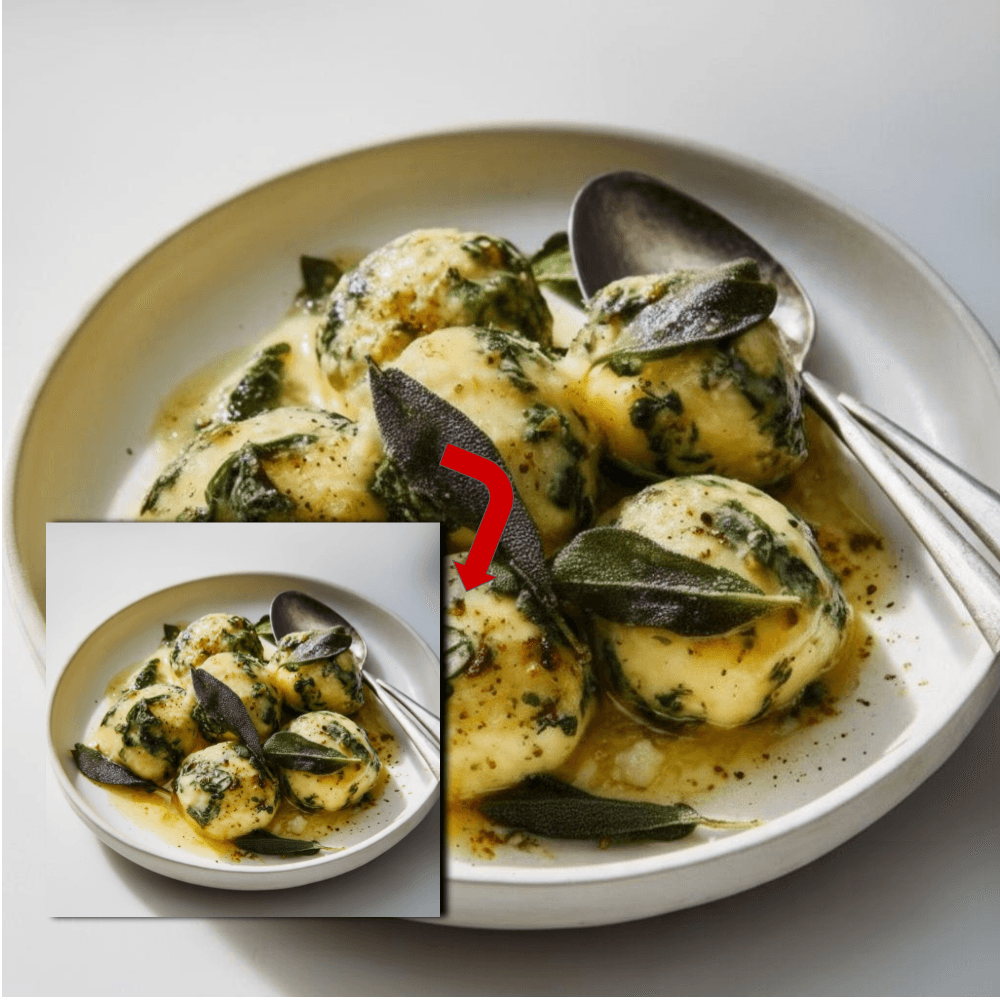
- Drain, Drain, Drain: We can’t stress this enough! Both the ricotta and spinach must be as dry as possible to prevent soggy, shapeless dumplings.
- Don’t Overmix: Gently fold the ingredients together until just combined. Overmixing can lead to tougher gnudi.
- The Semolina Flour Coating: Don’t be shy when dusting your shaped spinach and ricotta dumplings with semolina flour. It’s crucial for creating that protective skin during chilling.
- Chill Time is Sacred: Respect the chilling process. It allows the gnudi to firm up and the semolina to work its magic, preventing them from dissolving in the water.
- Gentle Boil: Cook the gnudi in gently simmering water, not a vigorous boil, to prevent them from breaking apart.
- Taste and Adjust: Always taste your ricotta and spinach mixture before shaping, adjusting salt and nutmeg as needed.
- Work in Batches: Don’t overcrowd the pot when boiling. Cook a few gnudi at a time to maintain water temperature and prevent sticking.
“The secret to truly ethereal gnudi isn’t a magic ingredient, but rather patience and attention to moisture control. Dry ricotta and spinach, combined with a good long chill, are your keys to success.” – Chef Isabella Rossi
Serving Suggestions and Pairings
While the brown butter sage sauce is an absolute classic for these delicate Italian dumplings, here are a few other ideas to elevate your meal:
- Classic Brown Butter Sage: The recipe’s star, highlighting the gnudi’s natural flavors. Add a squeeze of lemon juice at the end for brightness.
- Simple Tomato Sauce: A light, fresh passata or San Marzano tomato sauce would be delightful, allowing the gnudi to remain the star.
- Pesto: A vibrant basil pesto (thinned slightly with a little pasta water) offers a fresh, herbaceous alternative.
- Cream Sauce with Herbs: A very light cream sauce infused with fresh herbs like chives or thyme could also work beautifully.
Pairings:
- Wine: A crisp, dry white wine like a Vermentino, Pinot Grigio, or a light Chardonnay complements the richness without overpowering.
- Side Dishes: A simple green salad with a vinaigrette or some crusty bread for soaking up every last drop of sauce are perfect accompaniments.
Storage, Freezing, and Make-Ahead Instructions
- Storage (Cooked): Cooked gnudi can be stored in an airtight container in the refrigerator for up to 2-3 days. Reheat gently in a pan with a little butter or sauce.
- Freezing (Uncooked): This is an excellent make-ahead option!
- After shaping and dusting with semolina flour, arrange the gnudi in a single layer on a parchment-lined baking sheet.
- Freeze until solid (about 2-3 hours).
- Once frozen, transfer the solid gnudi to a freezer-safe bag or container. They can be stored for up to 2 months.
- To Cook from Frozen: Do not thaw. Drop the frozen gnudi directly into gently simmering salted water. They may take a minute or two longer to cook.
- Make-Ahead (Uncooked, Refrigerated): You can prepare the gnudi mixture, shape them, and chill them for up to 24 hours in the refrigerator. This allows for excellent meal planning. Just ensure they are well-covered with semolina flour.
Frequently Asked Questions (FAQs)
Q: Can I use frozen spinach instead of fresh?
A: Yes, absolutely! Just be sure to thaw it completely and then squeeze, squeeze, squeeze out every single drop of water. This is even more crucial with frozen spinach than fresh.
Q: My gnudi fell apart in the water. What went wrong?
A: The most common culprits are too much moisture in the ricotta or spinach, insufficient chilling time, or not enough semolina flour in the mix or for dusting. Make sure you drain thoroughly and chill for the recommended duration.
Q: Do I have to use semolina flour? Can I use all-purpose flour?
A: While all-purpose flour can work in a pinch, semolina flour is highly recommended. Its higher protein content and coarser grind create a superior texture and a more robust “skin” during chilling, leading to a better final product. It’s key to achieving that authentic ricotta gnudi recipe texture.
Q: Can I bake these Italian dumplings instead of boiling them?
A: Traditionally, gnudi are boiled to achieve their signature tender, melt-in-your-mouth texture. Baking would yield a different, firmer result and might dry them out. For the classic experience, boiling is the way to go.
Q: What does “naked ravioli” mean?
A: “Naked ravioli” is a charming nickname for gnudi because they are essentially the delicious filling (ricotta and spinach) typically found inside ravioli, but without the pasta wrapper. It emphasizes their delicate, unencumbered nature.
We hope you enjoy making and savoring these incredible Spinach Ricotta Gnudi. They are a true labor of love that pays off with every delicate bite!
For more delicious recipes, behind-the-scenes glimpses, and culinary inspiration, be sure to follow our Facebook page! We love connecting with our community of food enthusiasts. You can find us here: https://www.facebook.com/profile.php?id=61568538666337
Spinach Ricotta Gnudi with Brown Butter and Sage
Ingredients
- 16 oz Whole milk ricotta Strained and drained of excess liquid
- 5 cups Baby spinach Blanched, squeezed dry, and finely chopped
- 1 cup Parmesan cheese Freshly grated
- 2 Egg yolks
- 1/2 cup All-purpose flour
- 1 cup Semolina flour For coating
- 1 tsp Kosher salt
- 1/4 tsp Black pepper
- 1/4 tsp Ground nutmeg
- 1/2 cup Unsalted butter
- 12 leaves Fresh sage
Instructions
- In a large bowl, combine the drained ricotta, finely chopped spinach, grated Parmesan cheese, egg yolks, salt, black pepper, and ground nutmeg. Mix until well incorporated.
- Gently fold the all-purpose flour into the ricotta mixture until a soft dough forms. Do not overmix.
- Spread the semolina flour onto a rimmed baking sheet. Scoop 1-inch mounds of the ricotta dough and gently roll them into balls using your hands.
- Place the rolled gnudi onto the semolina-coated baking sheet, rolling them around to ensure they are completely coated in semolina flour.
- Transfer the baking sheet to the refrigerator. Chill the gnudi uncovered for at least 1 hour to allow them to firm up.
- Bring a large pot of heavily salted water to a gentle boil.
- While the water heats, melt the unsalted butter in a large skillet over medium heat. Cook the butter for 3-4 minutes until it turns golden brown and gives off a nutty aroma.
- Add the fresh sage leaves to the browned butter, cook for 30 seconds until crispy, then remove the skillet from the heat.
- Carefully drop the chilled gnudi into the gently boiling water in small batches. Cook until they float to the surface, then allow them to simmer for 1 to 2 additional minutes.
- Use a slotted spoon to transfer the cooked gnudi directly into the warm brown butter and sage sauce. Toss gently to coat.
- Serve immediately with an extra sprinkle of grated Parmesan cheese.
For more daily recipes and tips, follow us on Facebook!
Click here to join our community!