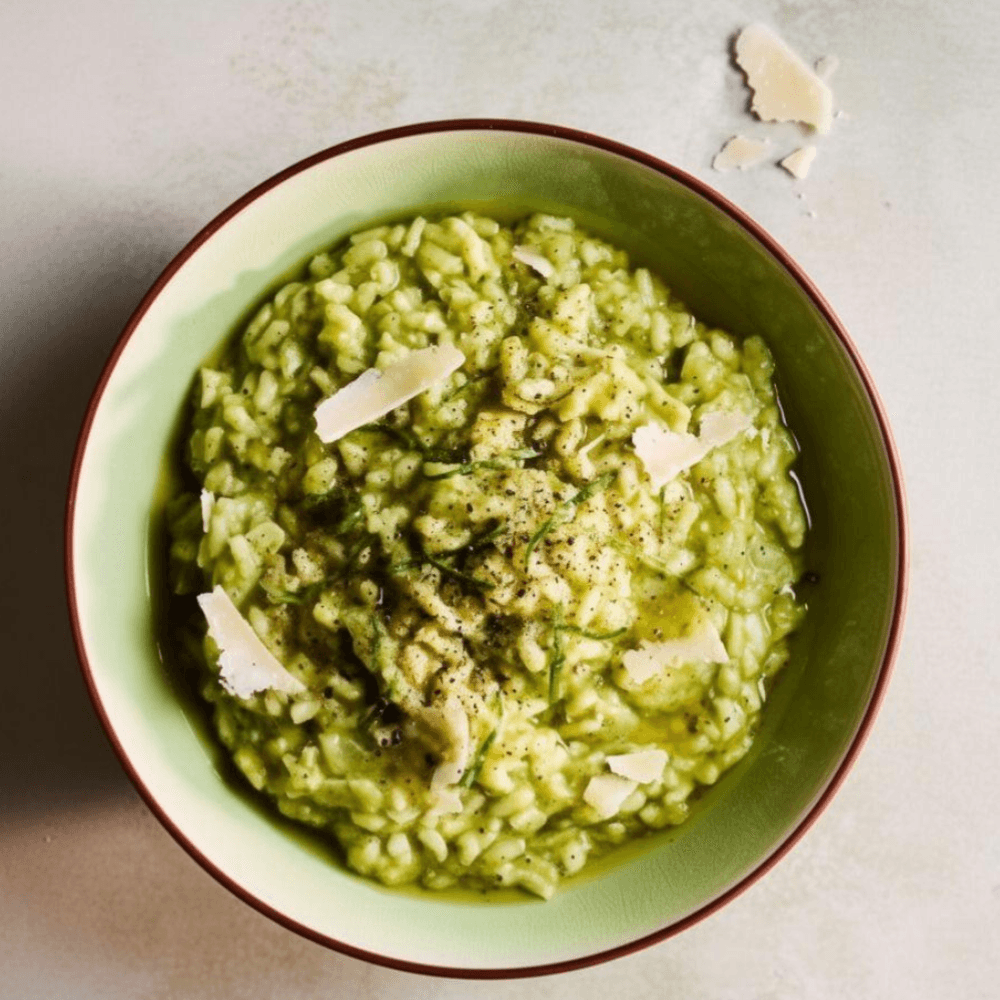
Easy Wild Garlic Risotto: The Ultimate Spring Comfort Food
There’s a certain magic that washes over our kitchens when spring arrives. The world outside awakens, bursting forth with vibrant greens and fresh aromas, and our plates eagerly follow suit. For those of us who adore the bounty of the season, few ingredients herald this glorious change quite like wild garlic. Its distinctive aroma, somewhere between chives and garlic, signifies the very essence of spring. Today, we’re diving into a delightful culinary adventure with a dish that captures this spirit perfectly: a truly special wild garlic risotto. This isn’t just any risotto; it’s a celebration of seasonal spring cooking, a dish that brings warmth, comfort, and an undeniable freshness to your table. Prepare for a rich, creamy green risotto that will become a firm spring favorite.
Introduction to Seasonal Foraging
Stepping out into nature with a purpose, to gather ingredients that will nourish and delight, is one of life’s simple pleasures. Foraging for wild garlic is a fantastic way to connect with the rhythm of the seasons and bring incredibly fresh flavors into your cooking. It’s a wonderful activity that heightens your appreciation for what the land provides.
Identifying Wild Garlic (Ramsons)
Wild garlic, also known as Ramsons (Allium ursinum), is unmistakable once you know what to look for. You’ll typically find it carpeting woodland floors, riverbanks, and shady, damp areas from late March through May. Its broad, lance-shaped, bright green leaves grow directly from the ground. The most definitive test, however, is the smell. Crush a leaf gently between your fingers, and you’ll be greeted by that classic, pungent garlicky aroma. Later in the season, delicate white, star-shaped flowers emerge, forming a beautiful carpet.
Ethical Foraging and Harvesting Tips
When you’re gathering those luscious foraged wild garlic leaves, it’s crucial to do so responsibly. Firstly, always be 100% certain of your identification; there are poisonous lookalikes. Only forage in areas you know are free from pollution (e.g., away from busy roads). Harvest only what you need, and never take more than a third of the patch to ensure it can regrow year after year. Cut the leaves cleanly with scissors or a knife, rather than pulling them up by the roots, which can damage the plant. This ethical approach ensures these delicious spring treasures will be there for everyone to enjoy for years to come.
Essential Ingredients for a Creamy Risotto
The beauty of a truly great risotto lies in the quality of its core components. While wild garlic is the star here, the supporting cast plays an equally vital role in achieving that sought-after creamy texture and profound flavor. Investing in good ingredients will always pay dividends in the final dish.
Choosing the Right Rice (Arborio vs. Carnaroli)
For risotto, not just any rice will do. We need a short to medium-grain rice with a high starch content that can absorb liquid gradually while releasing its starch to create a creamy sauce. Arborio rice is the most commonly available and a fantastic choice for this wild garlic spring risotto recipe. Its plump grains and excellent starch release make for a wonderfully comforting result. Carnaroli is often considered the “king” of risotto rices by chefs due to its higher starch content, firmer grain, and ability to absorb more liquid without becoming mushy, leading to an even creamier and more resilient texture. If you can find Carnaroli, it’s a superb option, but Arborio will deliver a spectacular vegetarian comfort food dish regardless.
The Role of Quality Broth and Wine
The liquid you add to your risotto isn’t just about cooking the rice; it’s about building layers of flavor. A high-quality vegetable broth is non-negotiable for this dish. Choose one with a rich, savory depth that will complement the wild garlic without overpowering it. Homemade broth is always best if you have it, but a good store-bought alternative will work. Similarly, a dry white wine (such as Sauvignon Blanc or Pinot Grigio) adds a crucial acidic brightness that balances the richness of the dish and lifts its flavors. Avoid anything sweet, as it will throw off the delicate balance.
Step-by-Step Guide to Cooking Easy Wild Garlic Risotto
Making risotto might seem daunting to some, but it’s more about patience and technique than complexity. Follow these steps, and you’ll soon be mastering this delightful creamy green risotto, filling your kitchen with its incredible aroma.
Creating the Vibrant Wild Garlic Puree
The secret to infusing our risotto with that stunning green hue and intense wild garlic flavor is to create a vibrant wild garlic puree. Take a generous handful of fresh, clean wild garlic leaves – about 80-100g. Blanch them quickly in boiling water for just 15-20 seconds, then immediately plunge them into an ice bath. This step helps preserve their bright color and mellows their raw pungency slightly. Once cooled, squeeze out any excess water. Transfer the blanched leaves to a food processor with a splash of olive oil and a tablespoon or two of vegetable broth. Blend until you have a smooth, brilliant green puree. This will be stirred in at the very end, giving our risotto its signature look and taste.
The Toasting and Deglazing Process
Begin by gently sweating finely diced shallots (or a small onion) in a generous knob of butter and a drizzle of olive oil in a wide, heavy-bottomed pot or pan over medium-low heat. Cook until softened and translucent, about 5-7 minutes. Add your Arborio rice (or Carnaroli) and stir continuously for 2-3 minutes until the edges of the grains become translucent but the centers remain opaque – this is the toasting (tostatura) stage, crucial for the rice to absorb liquid evenly. Next, pour in about 150ml of dry white wine. The sizzle and aroma are wonderful! Stir constantly until the wine is fully absorbed, deglazing the pan and leaving behind a concentrated layer of flavor.
The Slow Simmer: Achieving Perfect Al Dente Texture
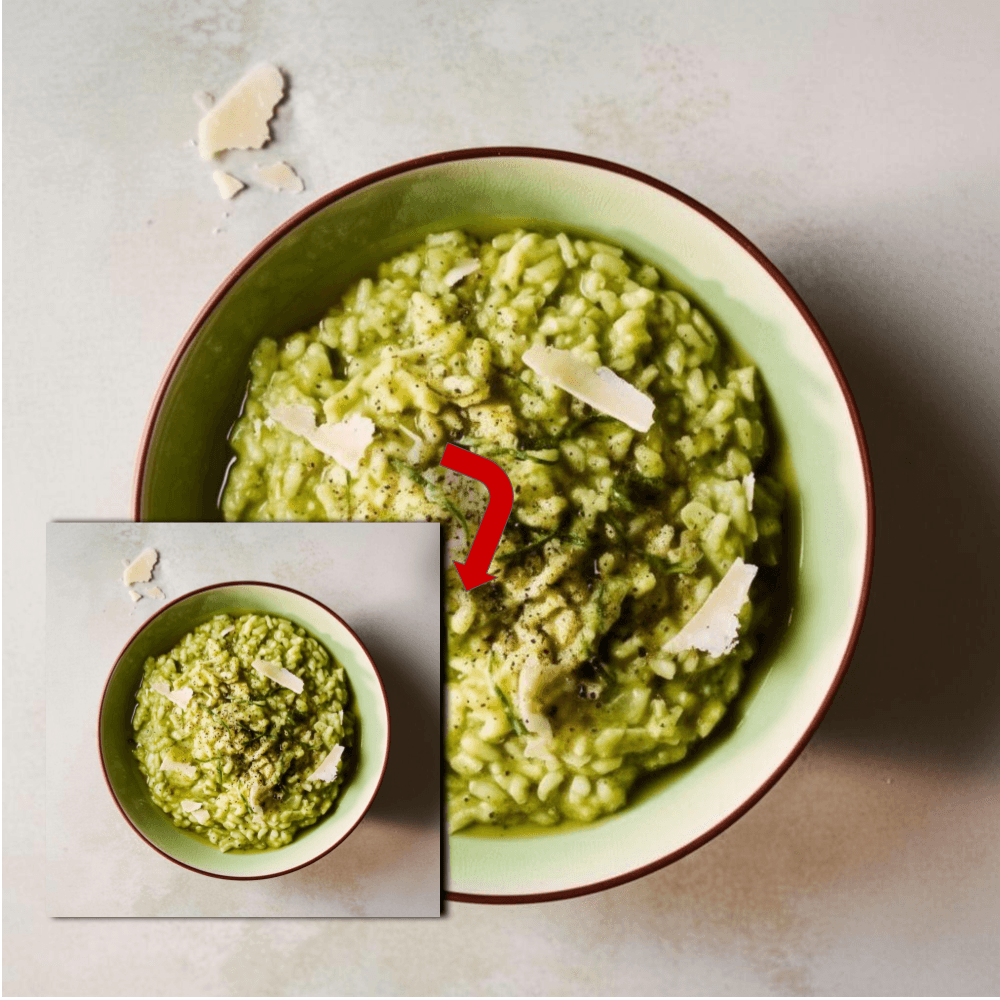
Now comes the heart of risotto making: the gradual addition of hot broth. Your vegetable broth should be kept warm in a separate saucepan – adding cold broth will shock the rice and impede its cooking. Add one ladleful of hot broth at a time, stirring gently but consistently. Wait until almost all the liquid has been absorbed before adding the next ladle. This slow, steady process encourages the rice grains to rub against each other, releasing their starchy goodness and creating that signature creamy texture. Continue this for 18-20 minutes, or until the rice is al dente – cooked through but still with a slight bite in the center. It should flow like a gentle wave when you shake the pan.
Chef’s Tips for the Creamiest Texture
Achieving that perfectly luscious, flowing risotto isn’t just about the ingredients; it’s about understanding a few key techniques. These chef’s secrets will elevate your wild garlic spring risotto from good to truly extraordinary.
Mantecatura: The Italian Secret to Creaminess
Mantecatura is the Italian term for the final stirring and emulsification process that gives risotto its incredible creaminess and sheen. Once your rice is al dente and the last ladle of broth has been absorbed, take the pan off the heat. Stir in a generous knob of cold butter and a good handful of freshly grated Parmesan cheese (or a vegetarian hard cheese). Now, fold in your vibrant wild garlic puree. Stir vigorously for a minute or two, allowing the butter and cheese to melt and emulsify with the rice and its starches. This resting and stirring creates a rich, velvety texture that’s simply divine. The risotto should be loose and flowing, not stiff.
“The secret to a truly great risotto isn’t just cooking the rice; it’s the final ‘mantecatura’ – that vigorous stir with cold butter and cheese that transforms it into a luxurious, flowing masterpiece.”
Avoiding Common Risotto Mistakes
Even seasoned cooks can stumble with risotto. One common pitfall is adding cold broth, which can halt the cooking process and prevent even starch release. Always keep your broth hot! Another mistake is cooking the rice without enough liquid, leading to dry, sticky results, or conversely, adding too much liquid too quickly, which boils the rice rather than allowing it to absorb gradually. Don’t be tempted to walk away from the pot; risotto demands your attention and consistent stirring. Finally, avoid overcooking the rice; it should retain a pleasant bite, not be mushy.
Flavor Variations and Add-Ins
While a straightforward wild garlic risotto is incredibly satisfying, it also serves as a fantastic canvas for other delightful spring ingredients. Embrace the spirit of seasonal spring cooking by experimenting with these additions.
Incorporating Sweet Spring Peas and Asparagus
To enhance the vibrant spring theme of your creamy green risotto, consider stirring in some tender sweet spring peas and delicate asparagus tips. Add the peas during the last 5 minutes of cooking, and the asparagus tips (blanched or lightly sautéed beforehand) in the final moments before the mantecatura. Their subtle sweetness and fresh crunch provide a beautiful contrast to the rich, earthy wild garlic. A scattering of fresh chives or finely chopped parsley can also brighten the flavors and add another layer of herbaceousness.
Making it Vegan or Dairy-Free
This vegetarian comfort food can easily be adapted for vegan or dairy-free diets without sacrificing its luxurious texture. Simply substitute the butter with a good quality vegan butter alternative or extra olive oil. For the Parmesan, use a suitable vegan hard cheese that melts well, or nutritional yeast for a cheesy, umami flavor. The creamy wild garlic puree itself is naturally dairy-free, making the conversion quite straightforward. Ensure your vegetable broth is also certified vegan.
Storage, Reheating, and Serving Suggestions
Leftover risotto, while never quite as sublime as freshly made, can still be a delicious treat. Store any remaining risotto in an airtight container in the refrigerator for up to 2-3 days. To reheat, gently warm it in a saucepan over low heat, adding a splash of vegetable broth or water to help loosen it up and restore some of its creaminess. Alternatively, form leftover risotto into patties, coat them in breadcrumbs, and fry until golden for delightful arancini-style fritters. Serve your wild garlic risotto immediately after making, perhaps garnished with a few fresh wild garlic flowers (if available) or a sprinkle of cracked black pepper and a final drizzle of good olive oil. It’s perfect as a light main course or a substantial side dish.
This wild garlic risotto is truly a dish to savor, bringing the vibrant flavors of the forest directly to your kitchen. It’s a testament to the beauty of seasonal ingredients and the simple pleasure of good food. We hope you enjoy making and sharing this delightful spring creation!
Don’t forget to follow us for more seasonal recipes and culinary inspiration! You can find us on Facebook at https://www.facebook.com/profile.php?id=61568538666337.
Easy Wild Garlic Risotto with Peas
Ingredients
- 2 tbsp Olive oil Extra virgin
- 1 medium Yellow onion Finely chopped
- 1 cup Arborio rice
- 0.5 cup Dry white wine Such as Pinot Grigio
- 4 cups Vegetable broth Kept hot on the stove
- 2 cups Wild garlic leaves Washed and roughly chopped
- 1 cup Sweet peas Fresh or frozen
- 0.25 cup Parmesan cheese Freshly grated
- 2 tbsp Unsalted butter Cubed
- 0.25 tsp Black pepper Freshly cracked
- 1 tbsp Chives Finely chopped
Instructions
- Heat the vegetable broth in a small saucepan and keep it warm over low heat.
- Blanch the wild garlic leaves in a pot of boiling water for 30 seconds, then immediately transfer to an ice bath. Drain and blend the leaves with 1/4 cup of the warm broth until a smooth green puree forms. Set aside.
- Heat the olive oil in a large, heavy-bottomed pan or Dutch oven over medium heat. Add the finely chopped onion and sauté for 4 to 5 minutes until translucent and soft.
- Add the Arborio rice to the pan and toast for 1 to 2 minutes, stirring constantly until the edges of the rice grains become slightly translucent.
- Pour in the dry white wine and cook, stirring frequently, until the liquid is fully absorbed.
- Add the warm vegetable broth one ladle at a time, stirring constantly.
- Stir in the sweet peas and the reserved wild garlic puree during the last 3 minutes of cooking. Cook until the rice is al dente and the risotto has a creamy consistency.
- Remove the pan from the heat. Stir in the grated Parmesan cheese, butter, and black pepper until fully melted and glossy.
- Garnish with fresh chives and serve immediately in warmed bowls.
For more daily recipes and tips, follow us on Facebook!
Click here to join our community!