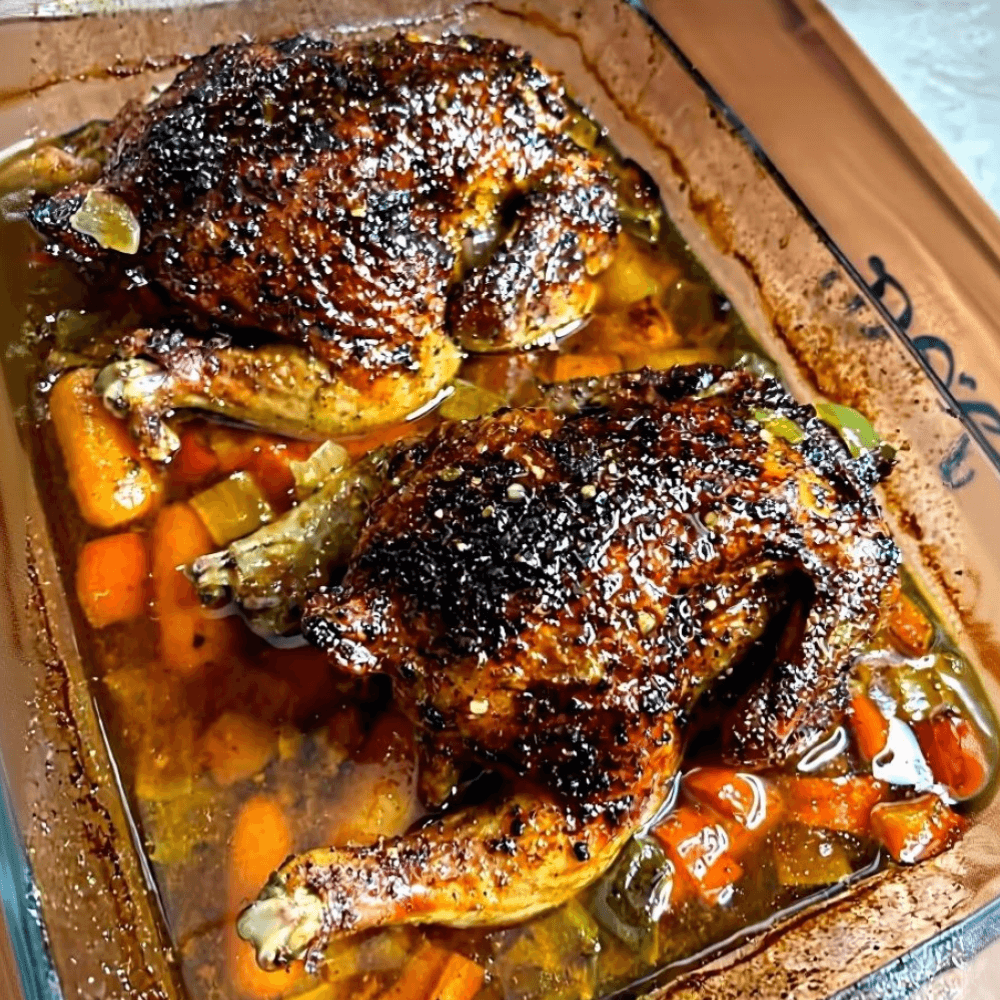
The Ultimate Roasted Cornish Hen Recipe
There’s a special kind of magic that happens when you bring a perfectly roasted bird to the table. While a whole turkey or a large chicken often takes center stage at grand feasts, sometimes you crave that same elegance and simplicity for a more intimate gathering. Enter the Cornish Hen – a culinary gem that delivers all the succulent flavor and impressive presentation without the extensive cooking time or leftovers overwhelming your fridge. This ultimate roasted Cornish game hen recipe is designed to elevate your dinner experience, making it an ideal choice for a romantic meal, a small family dinner, or when you simply want to treat yourself to something extraordinary.
What is a Cornish Hen?
Often referred to as a Rock Cornish game hen, this delightful bird is a specific variety of broiler chicken. It’s distinguished by its small size, typically weighing between one to two pounds. So, what sets a Cornish hen vs chicken apart? Primarily, it’s the size and the incredible tenderness of its meat. Cornish hens are harvested at a younger age than standard broiler chickens, resulting in exceptionally delicate, flavorful meat that remains wonderfully moist when cooked properly. Their petite stature also means quicker cooking times and an elegant presentation, as each guest typically receives their own individual hen. This makes them a fantastic option for those seeking an easy Cornish hen dinner with a gourmet feel.
Ingredients & Equipment
Crafting the perfect roasted Cornish hen starts with selecting quality ingredients and having the right tools on hand. Here’s what you’ll need to create a truly memorable meal:
The Hens
- Two (or more) Cornish Hens: Plan for one hen per person. You can choose fresh or frozen birds. If using frozen, ensure they are fully thawed in the refrigerator for at least 24 hours before cooking. Look for plump, well-formed hens with intact skin.
The Vegetables
Root vegetables and hearty aromatics not only add incredible flavor to the pan drippings but also make for delicious side dishes cooked alongside your hens. Carrots, bell peppers, and onions work best as they hold up well to roasting and sweeten beautifully in the oven.
- 1 lb small carrots, peeled and roughly chopped
- 1 large bell pepper (any color), seeded and cut into 1-inch pieces
- 1 large onion, peeled and cut into wedges
Aromatics
Fresh herbs and garlic are crucial for infusing the Cornish hen with a fragrant, earthy flavor. They penetrate the meat as it roasts, creating a complex and inviting aroma.
- 4 sprigs fresh rosemary
- 4 sprigs fresh thyme
- 6 cloves garlic, peeled and smashed
- 1 lemon, halved
Liquid
A good quality liquid in the roasting pan helps keep the meat juicy, adds moisture to the vegetables, and forms the base for a potential pan sauce.
- 1 cup chicken or vegetable broth
For the Herb Butter/Oil Rub
- 4 tbsp unsalted butter, softened, or 4 tbsp olive oil
- 1 tbsp fresh rosemary, finely chopped
- 1 tbsp fresh thyme, finely chopped
- 1 tsp garlic powder
- 1/2 tsp onion powder
- 1 tsp smoked paprika (optional, for color and depth)
- Salt and freshly ground black pepper to taste
Equipment
- Large roasting pan with a rack
- Meat thermometer
- Kitchen twine (for trussing, optional but recommended)
How to Cook Cornish Hens (Step-by-Step)
Mastering how to cook Cornish hen is simpler than you might think, especially with this straightforward step-by-step guide. You’ll achieve crispy skin and incredibly juicy meat every time.
- Preparation is Key: If using frozen hens, ensure they are completely thawed. Remove the hens from their packaging and pat them thoroughly dry inside and out with paper towels. This step is critical for achieving that coveted crispy skin. Remove any giblets from the cavity.
- Preheat and Prep Veggies: Preheat your oven to 400°F (200°C). In a large roasting pan, toss the chopped carrots, bell peppers, and onion with a drizzle of olive oil, salt, and pepper. Arrange them evenly at the bottom of the pan.
- Create the Herb Butter/Oil Rub: In a small bowl, combine the softened butter (or olive oil) with the chopped rosemary, thyme, garlic powder, onion powder, smoked paprika (if using), salt, and pepper. Mix well until a fragrant paste forms.
- Season the Hens: Carefully loosen the skin over the breast and thighs of each hen, using your fingers. Gently rub about half of the herb butter mixture directly onto the meat under the skin. Then, rub the remaining butter mixture all over the exterior of the hens, ensuring they are thoroughly coated. Place a smashed garlic clove and a sprig of rosemary and thyme into the cavity of each hen, along with a lemon half.
- Trussing (Optional but Recommended): For more even cooking and a neater presentation, you can lightly truss the hens. Simply tie the legs together with kitchen twine. This helps the breast cook at a similar rate to the thighs and wings, preventing the breast from drying out.
- Roasting the Hens: Place the seasoned and trussed hens on a rack directly over the prepared vegetables in the roasting pan. Pour the broth into the bottom of the pan around the vegetables. Place the roasting pan in the preheated oven.
- Timing and Doneness: Roast the Cornish hen for approximately 45-60 minutes, or until the skin is golden brown and crispy, and the internal temperature reaches 165°F (74°C) when measured with a meat thermometer inserted into the thickest part of the thigh without touching the bone. Begin checking the temperature around the 40-minute mark. For perfect cornish hen cooking time, monitor with a thermometer.
- Rest Before Serving: Once cooked, remove the hens from the oven and transfer them to a cutting board. Tent loosely with foil and let them rest for 10-15 minutes. This resting period is crucial for the juices to redistribute throughout the meat, ensuring a supremely tender and moist result. While the hens rest, you can prepare the pan drippings for a simple sauce, if desired.
Tips for Crispy Skin and Juicy Meat
Achieving the perfect balance of crispy skin and incredibly juicy meat in your baked Cornish hen is easier with a few expert tips:
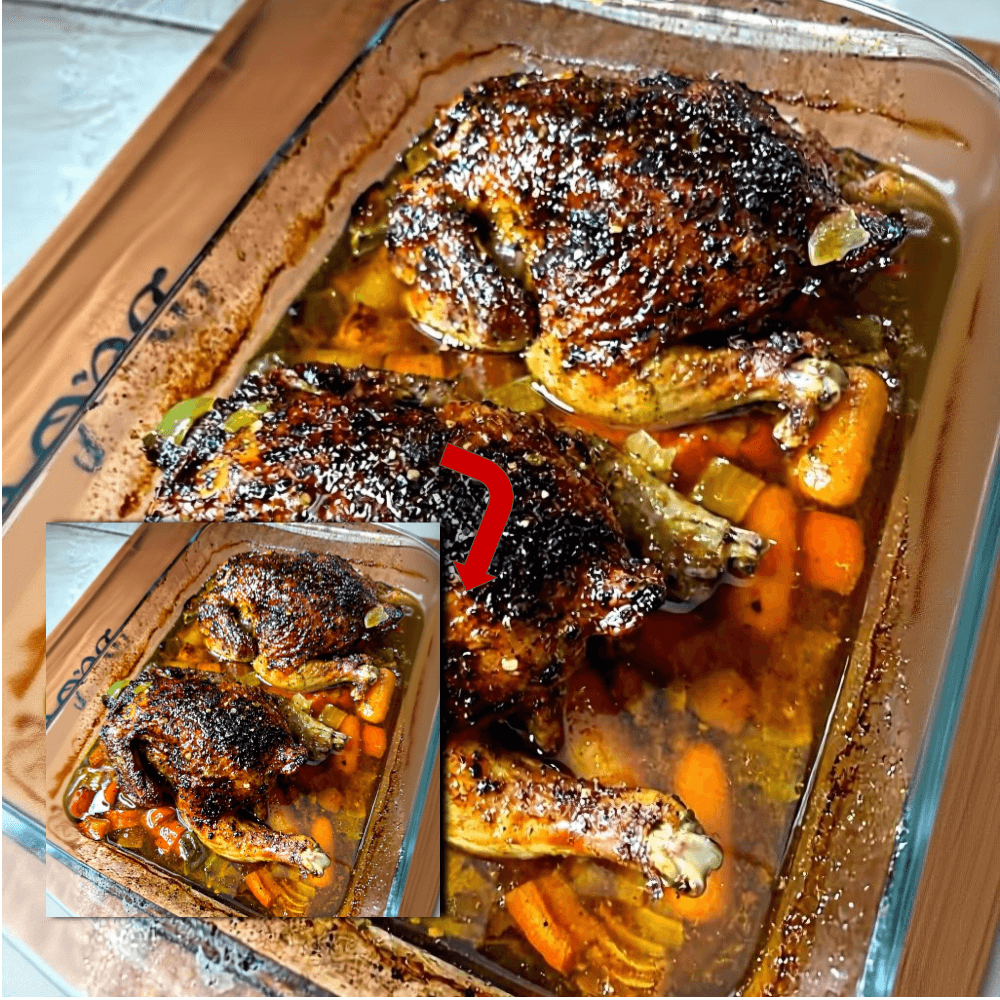
- Pat Dry, Pat Dry, Pat Dry: We can’t stress this enough. Moisture on the skin prevents it from crisping. Use plenty of paper towels.
- Rub Under the Skin: Applying the herb butter directly onto the meat under the skin ensures maximum flavor penetration and helps keep the meat moist.
- Trussing for Even Cooking: Tying the legs together with kitchen twine keeps the hen compact, allowing for more even heat distribution and preventing the delicate breast meat from overcooking before the thighs are done.
- Don’t Forget the Broth: Adding liquid to the roasting pan keeps the environment moist, preventing the chicken from drying out, and contributes to flavorful pan drippings.
- Basting (Sparingly): While basting can add flavor, too much can prevent the skin from crisping. If you choose to baste, do it once or twice in the middle of the cooking process, using the pan juices.
- The Importance of Resting: This step is non-negotiable! Resting allows the muscle fibers to relax and reabsorb the juices, resulting in a significantly more tender and moist hen. Skip this, and you risk dry meat.
Serving Suggestions
An elegant roasted Cornish game hen deserves equally delightful accompaniments. Here are some of our favorite side dishes for Cornish hens and wine pairing recommendations to complete your meal:
- Roasted Potatoes: Cut potatoes (yukon gold or red potatoes work well) into wedges, toss with olive oil, rosemary, salt, and pepper, and roast on a separate tray or alongside the hens (adding them halfway through the hen cooking time).
- Wild Rice Pilaf: A nutty wild rice pilaf provides a wonderful textural contrast and absorbs the delicious pan juices beautifully.
- Garlic Green Beans: Sautéed or steamed green beans with fresh garlic and a squeeze of lemon add a vibrant, fresh element.
- Creamy Mashed Potatoes: A classic for a reason, smooth mashed potatoes are the perfect canvas for the savory hen drippings.
- Wine Pairings: For a light and elegant pairing, consider a Pinot Noir or a light-bodied Chardonnay. If you prefer white wines, a crisp Sauvignon Blanc or a dry Riesling would also complement the delicate flavors of the Cornish hen beautifully.
Storage & Reheating
Should you be lucky enough to have leftovers from your easy Cornish hen dinner, here’s how to store and reheat them to maintain their deliciousness:
- Storage: Allow any leftover hen meat to cool completely before transferring it to an airtight container. Store in the refrigerator for up to 3-4 days. For longer storage, you can remove the meat from the bones and freeze it in an airtight container for up to 3 months.
- Reheating: To reheat, the best method is gently in the oven. Preheat your oven to 300°F (150°C). Place the hen (or pieces) in an oven-safe dish, add a tablespoon or two of chicken broth to the bottom of the dish to create moisture, and cover tightly with foil. Reheat for 15-20 minutes, or until warmed through. This prevents the meat from drying out. Avoid microwaving if possible, as it can make the meat rubbery.
Frequently Asked Questions (FAQ)
Can I cook this in an air fryer?
Yes, you can cook a Cornish hen in an air fryer! For a single hen, preheat your air fryer to 375°F (190°C). Prepare the hen as directed (pat dry, season, truss if desired). Air fry for 30-40 minutes, flipping halfway through, until the internal temperature reaches 165°F (74°C). Cooking time may vary slightly depending on your air fryer model and the size of the hen.
Do I need to cover the hens while roasting?
Generally, no. For this roasted Cornish game hen recipe, leaving the hens uncovered allows the skin to crisp up beautifully. If you find the skin browning too quickly before the internal temperature is reached, you can loosely tent the hens with foil for the last 10-15 minutes of cooking. However, for maximum crispiness, aim to keep them uncovered.
How do I know when they are fully cooked?
The most reliable way to know if your Cornish hen is fully cooked is by using a meat thermometer. Insert the thermometer into the thickest part of the thigh, making sure it doesn’t touch the bone. The hen is fully cooked when the Cornish hen internal temperature reaches 165°F (74°C). The juices should also run clear when pierced with a knife.
We hope this ultimate guide inspires you to create a truly delicious and elegant Cornish hen dinner. For more culinary inspiration, behind-the-scenes glimpses, and delicious recipes, follow us on Facebook!
Follow us on Facebook: Our Facebook Page
One-Pan Roasted Cornish Hens with Vegetables
Ingredients
- 2 whole Cornish game hens (approx. 1.5 lbs each) Thawed if frozen, giblets removed
- 3 tbsp Olive oil Divided use
- 1 tsp Dried thyme
- 1 tsp Dried rosemary Crushed
- 4 cloves Garlic Minced
- 1 tsp Kosher salt
- 0.5 tsp Black pepper Freshly cracked
- 2 cups Carrots Peeled and chopped into 1-inch chunks
- 2 cups Bell peppers Red or yellow, seeded and chopped
- 1 large Yellow onion Cut into wedges
- 1 cup Chicken broth Low sodium preferred
- 1 whole Lemon Halved (optional for cavity)
Instructions
- Preheat your oven to 400°F (200°C).
- In a small bowl, mix 2 tablespoons of olive oil, minced garlic, thyme, rosemary, salt, and black pepper to create a rub.
- Pat the Cornish hens completely dry with paper towels. This ensures the skin gets crispy.
- Rub the herb mixture evenly over the hens, getting under the skin of the breast if possible. Stuff the cavity with a lemon half if desired.
- In a large roasting pan, toss the carrots, bell peppers, and onion wedges with the remaining 1 tablespoon of olive oil and a pinch of salt.
- Pour the chicken broth into the bottom of the roasting pan.
- Place the seasoned hens on top of the vegetables.
- Roast in the preheated oven for 50 to 60 minutes, or until the skin is golden brown and an internal thermometer inserted into the thickest part of the thigh reads 165°F (74°C).
- Remove from the oven and loosely tent with foil. Let the hens rest for 10 minutes before serving to lock in the juices.
For more daily recipes and tips, follow us on Facebook!
Click here to join our community!