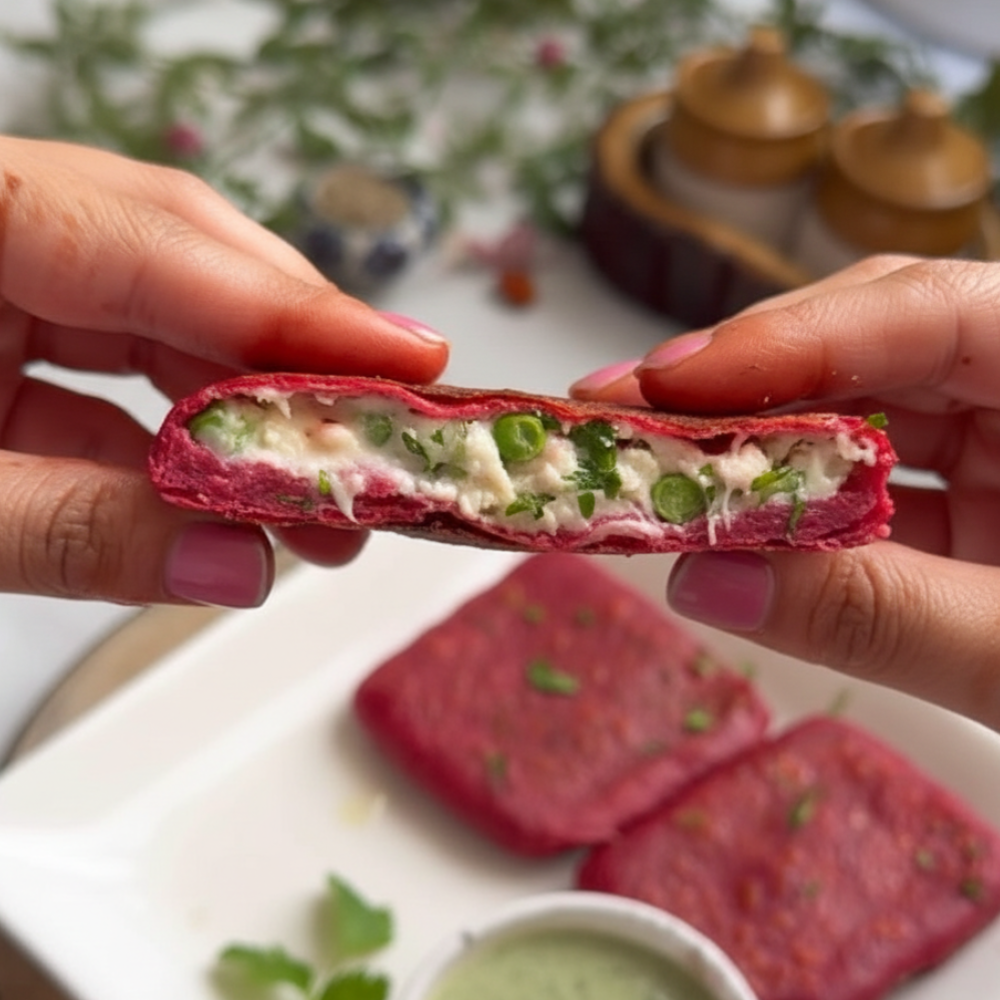
The Beetroot Paneer Lifafa offers a delightful and visually striking interpretation of traditional stuffed flatbreads. This recipe presents a creative twist on classic parathas, featuring a vibrant pink dough that encases a savory, protein-rich filling. The term “lifafa,” meaning envelope, perfectly describes the unique, folded shape of this stuffed beetroot flatbread, making it an appealing meal for any occasion. This dish combines nutrition with visual appeal, delivering a satisfying experience in every bite. It is more than just a meal; it is a thoughtful way to incorporate wholesome ingredients into daily diets.
Why This Recipe Works for Kid’s Lunchboxes
Encouraging children to consume vegetables can often be a significant hurdle for parents. The Beetroot Paneer Lifafa addresses this challenge effectively. By integrating beetroot puree directly into the dough, the vegetable becomes an intrinsic part of the flatbread, giving it an attractive pink hue that captures attention. The dough is then generously filled with a flavorful paneer and pea filling, a combination that is both delicious and packed with essential nutrients. Paneer provides a substantial source of vegetarian protein, crucial for growth and energy, while peas add fiber and vitamins.
This approach transforms a simple meal into a highly nutritious and visually engaging option for kid’s lunchbox recipes. The folded design creates a neat, easy-to-handle pocket, preventing the filling from spilling. These flatbreads hold up exceptionally well, maintaining their texture and flavor throughout the day, which is essential for packed lunches. Beyond its appeal for children, the Beetroot Paneer Lifafa serves as an excellent option for healthy Indian lunch ideas for adults seeking wholesome and convenient meals. It provides sustained energy and contributes to a balanced diet, embodying the essence of vegetarian protein meals.
Ingredients Needed
For the Dough
- Whole wheat flour (2 cups)
- Beetroot puree (1 cup)
- Salt (1/2 tsp)
- Oil or Ghee (1 tbsp)
For the Filling
- Grated paneer (1 cup)
- Boiled and mashed green peas (1/2 cup)
- Finely chopped cilantro (1/4 cup)
- Green chutney (2 tbsp)
- Garam masala (1/2 tsp)
- Cumin seeds (1/2 tsp)
- Salt (1/2 tsp)
- Extra oil or ghee for pan-frying (2 tbsp)
Step-by-Step Cooking Instructions
1. Preparing the Dough
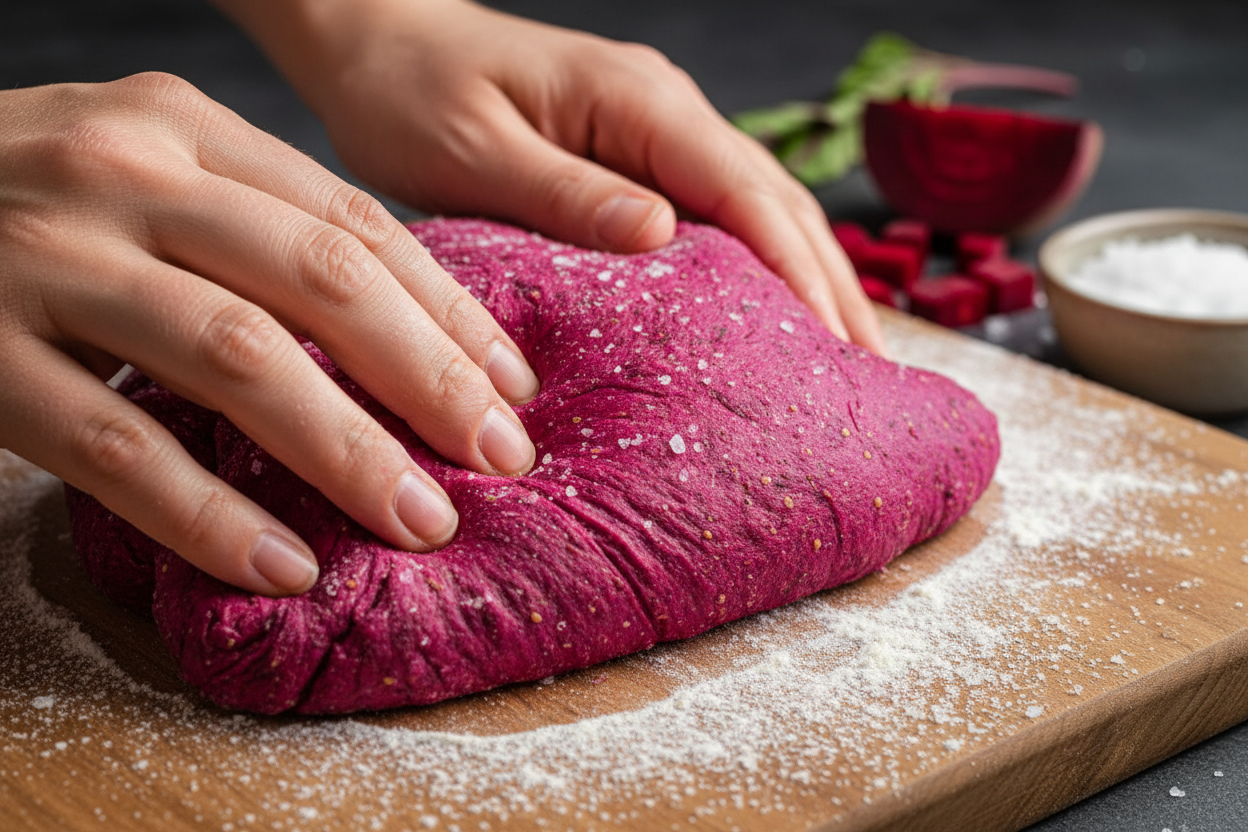
In a large mixing bowl, combine 2 cups of whole wheat flour, 1 cup of vibrant beetroot puree, 1/2 teaspoon of salt, and 1 tablespoon of oil or ghee. Begin to mix these ingredients by hand or with a stand mixer. Knead the mixture thoroughly until it forms a smooth, firm, and pliable dough. The dough should be soft but not sticky. Once fully kneaded, cover the dough with a damp cloth or plastic wrap and allow it to rest for a minimum of 15 minutes. This resting period helps the gluten relax, making the dough easier to roll and shape.
2. Creating the Paneer and Pea Filling
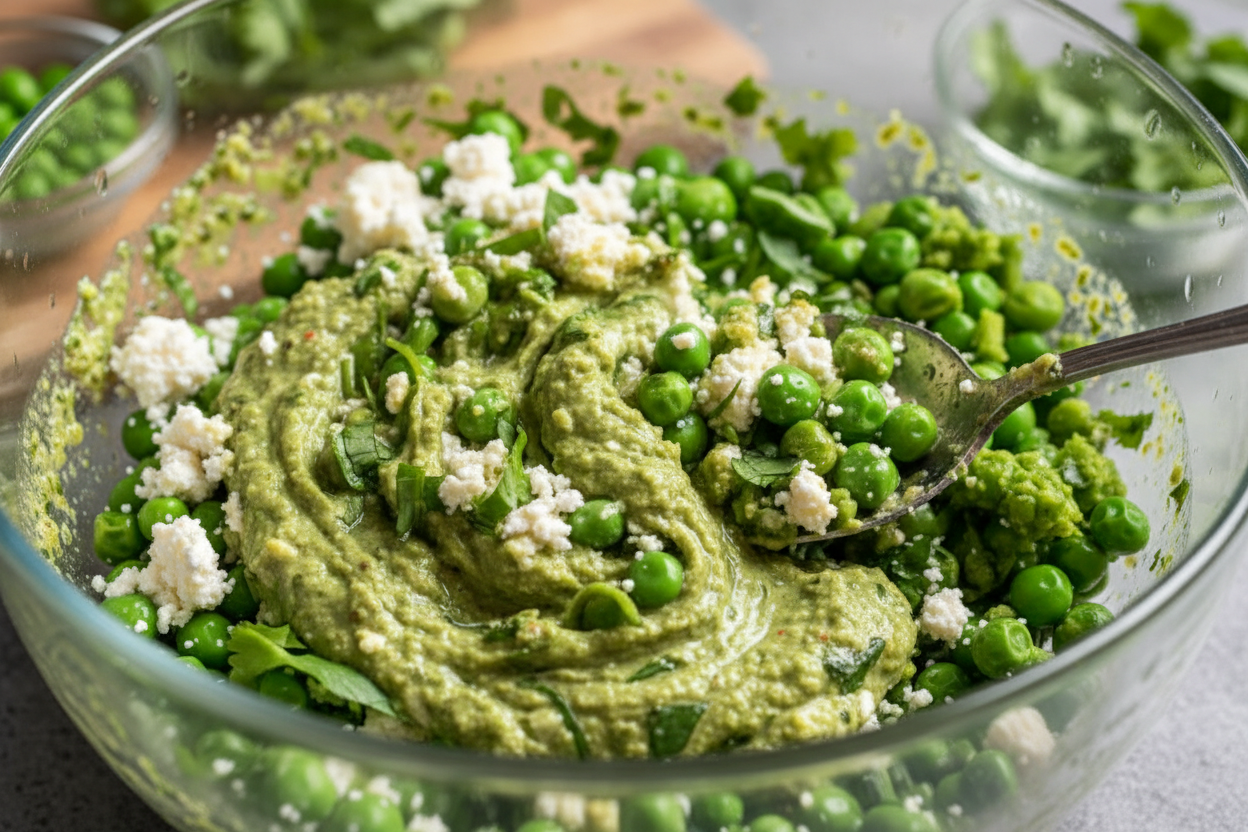
While the dough rests, prepare the flavorful filling. In a separate medium-sized bowl, combine 1 cup of grated paneer, 1/2 cup of boiled and mashed green peas, and 1/4 cup of finely chopped cilantro. Add the spices and seasonings: 2 tablespoons of green chutney, 1/2 teaspoon of garam masala, 1/2 teaspoon of cumin seeds, and 1/2 teaspoon of salt. Using your hands or a spoon, mix all these ingredients together thoroughly. Ensure that the spices are evenly distributed throughout the paneer and pea mixture, creating a cohesive and well-seasoned filling. This paneer and pea filling forms the core of your folded paratha pocket.
3. Shaping the Pockets
Once the dough has rested, divide it into equal-sized portions, forming small, uniform balls. On a lightly floured surface, take one dough ball and roll it out using a rolling pin into a thin, approximately 6-inch diameter circle. The circle should be thin enough to fold easily but not so thin that it tears. Place about 2 tablespoons of the prepared paneer and pea filling directly in the center of the rolled-out dough circle. To create the distinctive “lifafa” or envelope shape, carefully fold the four sides of the circle inward. Each fold should overlap slightly in the center, forming a neat square pocket. Gently press down on the edges to seal them securely, ensuring the filling remains enclosed during cooking. Repeat this process with the remaining dough and filling.
4. Pan-Frying to Perfection
Heat a skillet or tawa over medium heat on your stovetop. Once the pan is adequately hot, carefully place one of the shaped Beetroot Paneer Lifafa flatbreads onto the dry pan. Allow it to cook for about 2-3 minutes on one side, or until you begin to see golden brown spots appear on the surface. At this point, flip the flatbread to the other side. Apply a small amount of ghee or oil, drawn from your 2 tablespoon reserve, to the cooked side. Continue to cook for another 2 minutes, then flip it again. Apply a similar small amount of ghee or oil to the second side. Press gently with a spatula to ensure even cooking and encourage a crispy exterior. Continue to cook, flipping occasionally, until both sides are golden brown, crispy, and the flatbread is fully cooked through. This process results in a perfectly cooked pan-fried stuffed paratha, ready to be enjoyed.
Helpful Cooking Tips and Variations
Achieving the perfect dough consistency is vital for these vegetable lifafa paratha. If the beetroot puree is particularly watery, you may find the dough too soft. In such cases, add an extra tablespoon of whole wheat flour, gradually, until the desired firm yet pliable texture is achieved. This ensures the dough is easy to roll and holds its shape.
For those following specific dietary preferences, a vegan variation is easily achievable. Swap the dairy paneer with an equal amount of firm, crumbled tofu. Ensure the tofu is pressed to remove excess water before crumbling and mixing with the peas and spices. Instead of ghee, use a plant-based oil such as olive oil or sunflower oil for both the dough and for pan-frying. This substitution maintains the flavor and texture while catering to a vegan diet. These variations allow for broader enjoyment of the vibrant green chutney stuffed roti.
Storing and Reheating
Proper storage is key to maintaining the freshness and quality of your Beetroot Paneer Lifafa. After cooking, allow the flatbreads to cool completely to room temperature. This prevents condensation inside the storage container, which can lead to sogginess. Once cooled, pack them in an airtight container. They can be stored in the refrigerator for up to 3 days. For longer storage, you may freeze them for up to one month, separating layers with parchment paper.
When reheating, avoid the microwave if possible, as it tends to make the flatbreads soft and less appealing. For optimal results, reheat them on a warm skillet or tawa over medium heat. A few minutes on each side will restore their crispy exterior and warm the filling evenly. This method ensures the texture remains similar to when they were freshly cooked, preserving the enjoyment of your healthy Indian lunch ideas.
Frequently Asked Questions
Can I use raw grated beetroot instead of puree?
This recipe specifically calls for 1 cup of beetroot puree to achieve the desired dough consistency and color. Raw grated beetroot has a different moisture content and texture, which would alter the dough’s properties and may require significant adjustments to the flour-to-liquid ratio. Sticking to the puree ensures the best outcome for this particular recipe.
What other vegetables can be added to the stuffing?
This recipe is designed around the classic and complementary flavors of the paneer and pea filling, seasoned with specific spices. Adding other vegetables would change the core flavor profile and texture that defines this particular Beetroot Paneer Lifafa. The recipe focuses on these two main filling components.
How do I prevent the filling from falling out?
Preventing the filling from falling out is crucial for the “lifafa” shape. Ensure you do not overfill each dough circle; 2 tablespoons of filling is the specified amount. When folding the dough, press the edges gently but firmly to create a secure seal. The natural elasticity of the dough, combined with proper sealing technique, will keep the filling intact during shaping and cooking.
For more delicious Indian recipes and cooking inspiration, follow our Facebook page.
Healthy Beetroot and Paneer Stuffed Envelopes
Ingredients
- 2 cups Whole wheat flour Plus extra for dusting
- 1 cup Beetroot puree Smoothly blended
- 1 tsp Salt Divided (1/2 tsp for dough, 1/2 tsp for filling)
- 1 cup Paneer Grated
- 1/2 cup Green peas Boiled and mashed
- 1/4 cup Cilantro Finely chopped
- 2 tbsp Green chutney Adjust to desired spice level
- 1/2 tsp Garam masala
- 1/2 tsp Cumin seeds
- 3 tbsp Oil or Ghee 1 tbsp for dough, 2 tbsp for pan-frying
Instructions
- Prepare the dough: In a large bowl, mix 2 cups of whole wheat flour, 1 cup of beetroot puree, 1/2 tsp of salt, and 1 tbsp of oil. Knead into a smooth, firm dough. Cover and let it rest for 15 minutes.
- Make the filling: In a separate bowl, combine 1 cup grated paneer, 1/2 cup mashed green peas, 1/4 cup chopped cilantro, 2 tbsp green chutney, 1/2 tsp garam masala, 1/2 tsp cumin seeds, and remaining 1/2 tsp salt. Mix thoroughly.
- Shape the envelope: Divide the resting dough into equal-sized balls. Roll each ball into a thin 6-inch circle.
- Add the stuffing: Place 2 tablespoons of the paneer and pea filling in the center of the rolled circle. Fold the four sides inward to overlap in the center, creating a square shape. Seal the edges gently.
- Pan-fry: Heat a skillet or tawa over medium heat. Place the folded flatbread on the pan. Cook until golden brown spots appear, then flip. Apply a small amount of ghee or oil to both sides and cook until crispy and fully cooked.
For more daily recipes and tips, follow us on Facebook!
Click here to join our community!