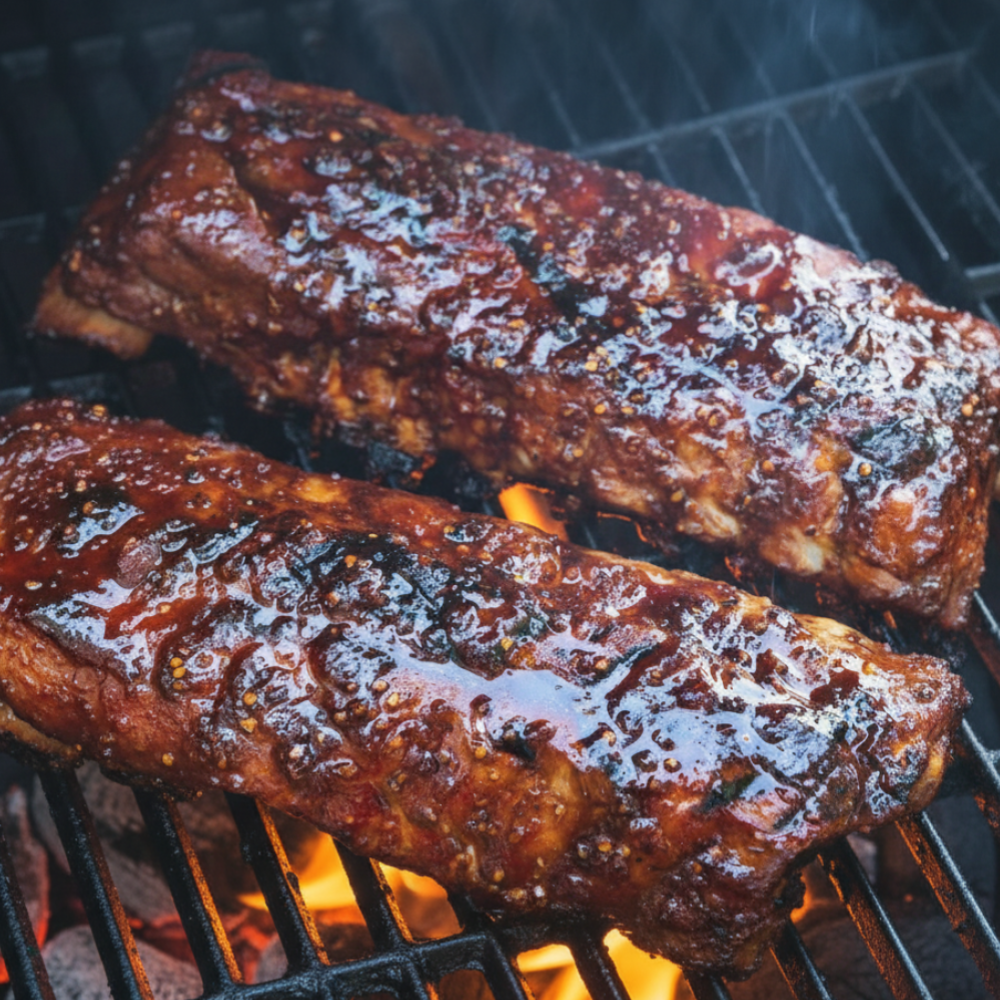
Ultimate Grilled Beef Ribs Guide
There are few culinary delights as satisfying as perfectly cooked barbecue beef ribs. Achieving that ideal balance of smoky flavor, tender meat that pulls cleanly from the bone, and a beautifully caramelized crust might seem daunting, but with the right technique, it is entirely within reach for any home cook. This guide focuses on preparing succulent barbecue beef back ribs using a reliable grilling method that ensures consistent results. Forget dry, tough ribs. We are diving deep into the world of low and slow grilling, a method paramount to transforming humble beef into a show-stopping meal. Master the art of preparing these incredible BBQ Beef Ribs, and you will earn a permanent spot as the grill master in your circle.
Introduction to Grilling Barbecue Beef Back Ribs
The journey to truly exceptional grilling beef ribs begins with understanding the cut and the cooking process. Beef back ribs, known for their rich flavor and relatively lean meat compared to other rib cuts, benefit immensely from a slow cooking approach. This allows the connective tissues to break down gradually, resulting in meat that is incredibly tender without being mushy. Our focus is on indirect heat, a cornerstone of successful barbecue that provides even cooking and prevents scorching. The goal is to infuse the meat with smoky notes while retaining its natural juices, culminating in fall-off-the-bone tenderness that makes every bite a memorable experience. This guide will walk you through each critical step, from initial preparation to the final saucing, ensuring your BBQ Beef Ribs are nothing short of spectacular.
Preparing Your Meat
Proper preparation is the foundation for outstanding BBQ Beef Ribs. Start with 2 racks beef back ribs. The first crucial step is removing the silver membrane from the bone side of each rack. This membrane, if left intact, can become tough and chewy during cooking, preventing the dry rub and smoke from fully penetrating the meat. To remove it, use a butter knife or the blunt end of a spoon to lift a corner of the membrane from one of the bones. Once you have a small section lifted, grip it firmly with a paper towel and pull it off in one smooth motion. It might require a bit of force, but the effort is well worth it for the improved texture.
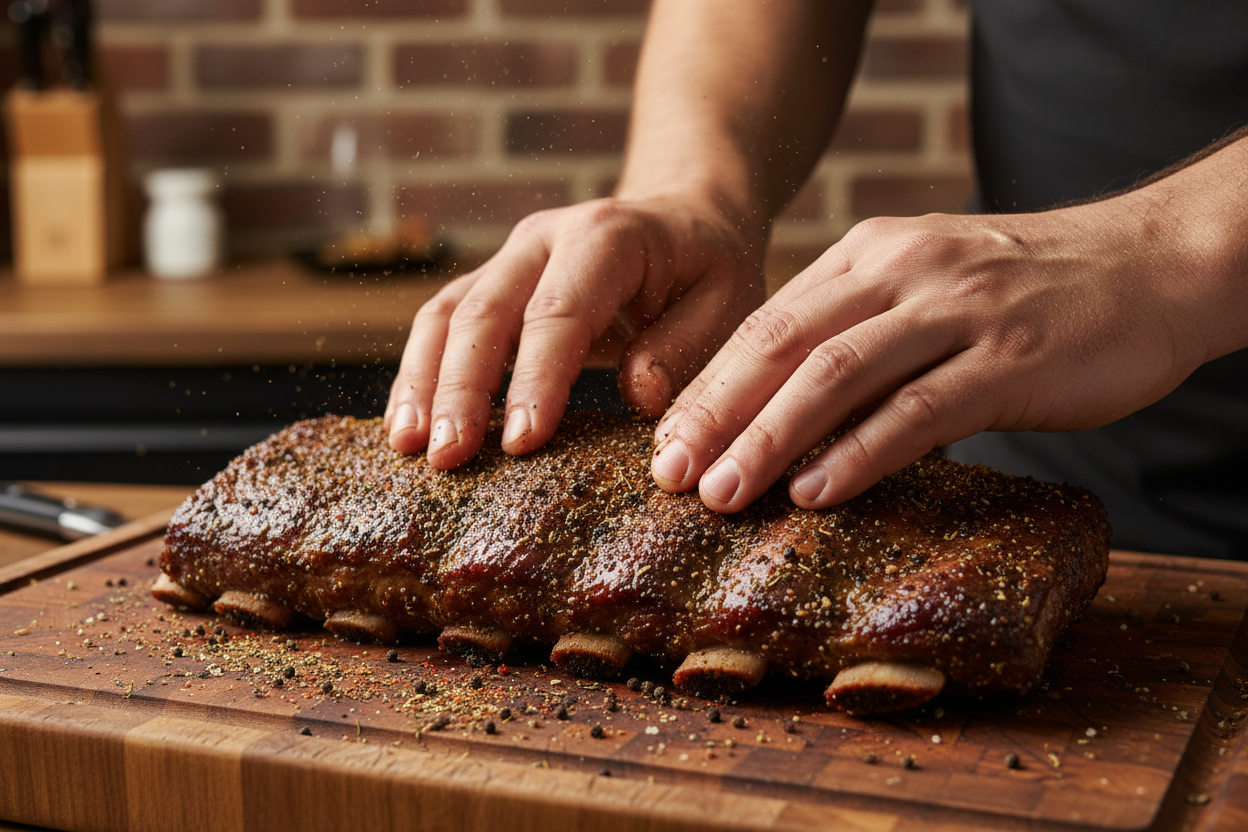
Once the membrane is removed, it is time to apply the dry rub for beef. A well-balanced rub adds immense flavor and helps create that desirable crust on the ribs. For this recipe, we will craft a simple yet powerful rub using fundamental spices. In a small bowl, combine generous amounts of brown sugar, smoked paprika, garlic powder, onion powder, salt, and pepper. The exact quantities will depend on your preference and the size of your rib racks, but aim for a robust blend. Brown sugar contributes to caramelization and a slight sweetness, while smoked paprika enhances the barbecue flavor and adds a beautiful color. Garlic powder and onion powder provide a savory base, and salt and pepper are essential flavor enhancers.
Liberally apply the dry rub to all sides of the beef back ribs. Be thorough, ensuring every surface is coated. Gently press the rub into the meat to help it adhere. There is no need to be shy here; the rub forms a crucial part of the flavor profile. Once coated, allow the ribs to rest at room temperature for at least 30 minutes, or even better, refrigerate them for several hours or overnight. This allows the rub to penetrate deeper into the meat, further enhancing the flavor and tenderness. This marinating step is key for optimal flavor development in your grilling beef ribs.
Setting Up the Grill
The success of low and slow grilling for your barbecue beef back ribs hinges on proper grill setup, specifically the two-zone cooking method. This method involves creating a direct heat zone and an indirect heat zone on your grill. For a charcoal grill, arrange the lit coals to one side of the charcoal grate, leaving the other side empty. For a gas grill, ignite the burners on one side to your desired temperature, leaving the other burners off. The goal is to maintain a consistent temperature of 250 degrees Fahrenheit in the indirect cooking zone.
Achieving and maintaining this precise temperature is critical. Use a reliable grill thermometer to monitor the ambient temperature at grate level in the indirect zone. For charcoal grills, you might need to adjust the vents to control airflow and temperature. More airflow increases temperature, while less airflow lowers it. For gas grills, adjust the active burners to hold the 250-degree mark. It might take a little practice to dial in your grill’s specific nuances, but consistent temperature control is fundamental to preventing the ribs from drying out and ensuring they cook evenly through to a tender finish. This controlled heat environment is what allows the connective tissues in the beef back ribs to break down slowly, resulting in that coveted tender texture. Add wood chips or chunks for smoke flavor at this stage, if desired, placing them directly over the heat source.
The Cooking Process
With your grill perfectly set for indirect heat at 250 degrees Fahrenheit, it is time to place your prepared beef back ribs on the grate, directly over the indirect heat zone. Close the lid and resist the urge to peek too often, as every time you open the lid, heat escapes, and the cooking time will be extended. The initial phase of cooking these BBQ Beef Ribs involves a patient, slow application of heat, allowing the smoke and rub to work their magic.
Cook the ribs on indirect heat for approximately 2.5 to 3 hours. During this period, the meat will slowly tenderize, and the rub will form a flavorful bark. The precise time can vary depending on the thickness of your ribs and the consistency of your grill’s temperature. Monitor the grill’s temperature periodically to ensure it remains steady at 250 degrees Fahrenheit. The ribs should develop a deep, rich color and begin to pull back from the bone slightly. This long, gentle cooking is the essence of low and slow grilling, essential for transforming tough cuts into meltingly tender morsels.
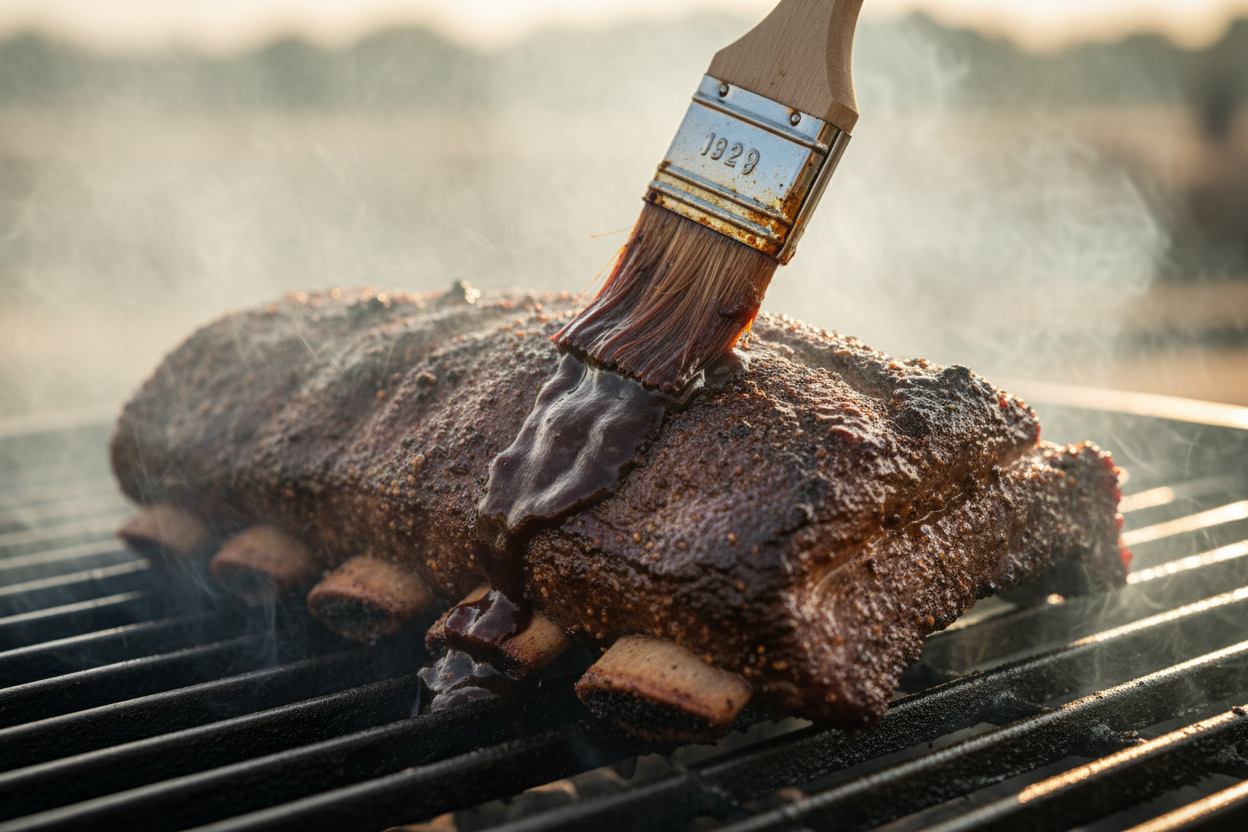
Towards the end of the cooking process, it is time to introduce the sauce. In the last 30 minutes of grilling, open the lid and generously baste the ribs with 1.5 cups BBQ sauce. Choose a high-quality smoky barbecue sauce that complements the rich flavor of the beef. Apply the sauce using a brush, covering all surfaces of the ribs. Close the lid again and allow the ribs to continue cooking. This final basting step allows the sauce to caramelize and meld with the flavors of the rub and smoke, creating a sticky, glossy, and incredibly delicious exterior. The sugars in the BBQ sauce will slightly char, adding another layer of complex flavor to your finished BBQ Beef Ribs.
Resting and Serving
Once the BBQ Beef Ribs have cooked for the full duration and the sauce has caramelized beautifully, carefully remove them from the grill. Place the racks on a cutting board or a serving platter. It is crucial to allow the ribs to rest for 10 minutes before slicing them. This resting period is not optional; it allows the muscle fibers to relax and reabsorb the juices that have migrated to the center of the meat during cooking. Skipping this step can result in dry ribs, even after all your careful low and slow grilling efforts. During the rest, the internal temperature will also stabilize, ensuring a more even and tender bite.
After resting, slice the ribs between the bones into individual portions. The meat should be incredibly tender, pulling away from the bone with ease. The rich aroma and succulent texture of these grilled beef ribs will be immediately apparent. For serving, pair these magnificent BBQ Beef Ribs with classic barbecue accompaniments. Creamy coleslaw offers a refreshing crunch, while baked beans provide a sweet and savory counterpoint. A simple potato salad or grilled corn on the cob also makes an excellent choice, complementing the robust flavor of the beef without overpowering it. The goal is to create a balanced plate that enhances the star of the meal: your perfectly executed grilling beef ribs.
Enjoying your homemade BBQ Beef Ribs is the culmination of patience and proper technique. Each bite delivers a harmonious blend of smoky, savory, and sweet notes, a testament to the power of low and slow grilling. This recipe demonstrates that truly great barbecue is achievable right in your backyard, providing tender, juicy results that will have everyone asking for more.
If you loved making these fantastic BBQ Beef Ribs and want more grilling tips, delicious recipes, and behind-the-scenes glimpses of our culinary adventures, make sure to follow our Facebook page. We share new content regularly and love connecting with fellow food enthusiasts. Find us and join our community for daily inspiration and grilling mastery!
Follow us for more delicious recipes and grilling tips!
Follow our Facebook page here: Our BBQ Adventures on Facebook
Perfectly Grilled Beef Back Ribs
Ingredients
- 4 lbs Beef Back Ribs
- 1.5 cups BBQ Sauce
- 0.25 cup Brown Sugar
- 2 tbsp Smoked Paprika
- 1 tbsp Garlic Powder
- 1 tbsp Onion Powder
- 1 tbsp Kosher Salt
- 1 tbsp Black Pepper
Instructions
- Preheat the grill for two-zone cooking, aiming for a temperature of 250 degrees Fahrenheit.
- Remove the membrane from the back of the beef ribs using a butter knife and paper towel.
- Mix the brown sugar, smoked paprika, garlic powder, onion powder, salt, and black pepper to create the dry rub.
- Apply the dry rub generously to all sides of the beef ribs.
- Place the ribs on the indirect heat side of the grill and cook for about 2.5 to 3 hours.
- Brush the ribs with barbecue sauce during the last 30 minutes of cooking.
- Remove from the grill, let rest for 10 minutes, then slice between the bones and serve.
For more daily recipes and tips, follow us on Facebook!
Click here to join our community!