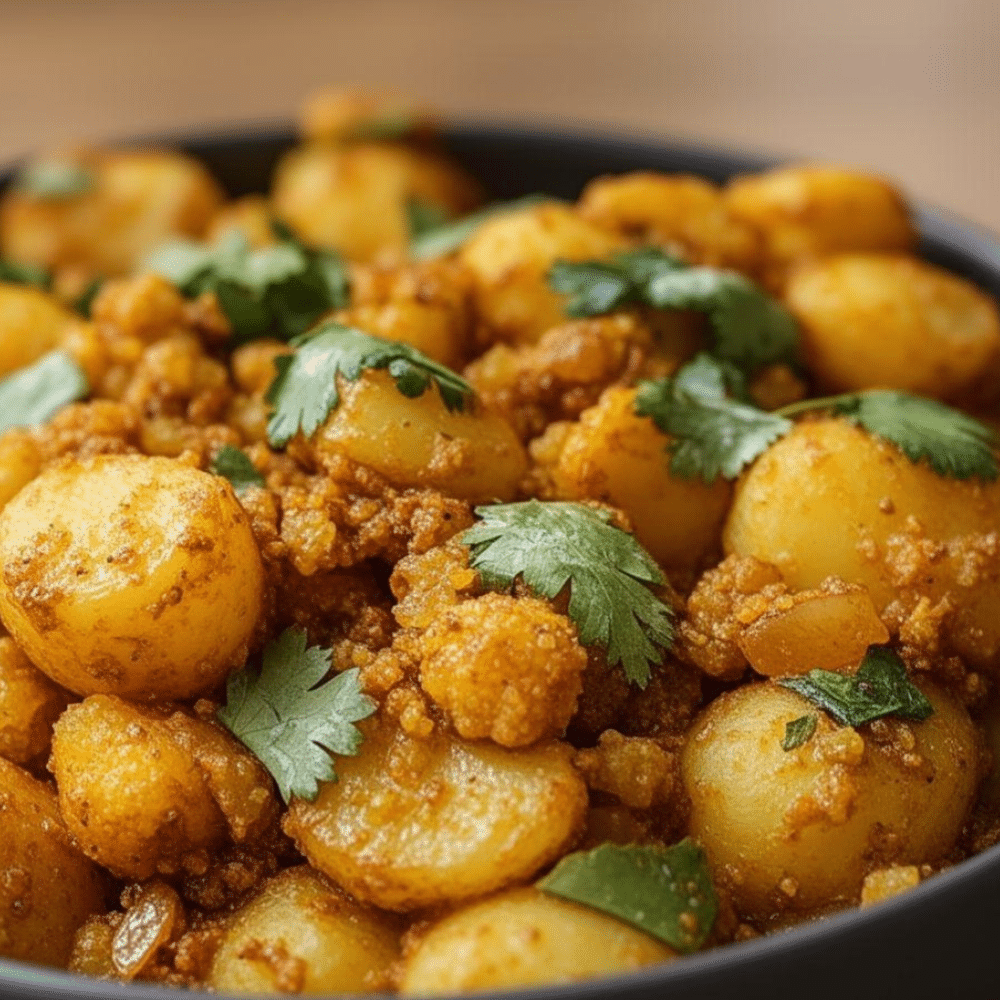
Welcome, fellow food lovers! Today, we’re diving into a dish that’s a true staple of North Indian cuisine, a comforting and flavorful classic that satisfies every time: the beloved Aloo Gobi Indian Cauliflower Potatoes. This humble yet incredibly delicious vegan curry brings together tender potatoes and perfectly cooked cauliflower in a symphony of aromatic spices. If you’re looking to bring the vibrant tastes of India into your kitchen with an easy Indian weeknight dinner, you’ve come to the right place.
What is Aloo Gobi?
At its heart, Aloo Gobi is a simple, dry vegetarian dish (often referred to as a ‘sabzi’ or ‘stir-fry’) made from just two main ingredients: aloo, which means potato, and gobi, which means cauliflower. Hailing primarily from the Punjabi region of India, this dish is celebrated for its earthy flavors and hearty texture. It’s a testament to how humble vegetables, when combined with the right blend of traditional aloo gobi masala, can transform into something truly extraordinary. It’s naturally vegan and gluten-free, making it a fantastic choice for a wide range of dietary preferences.
Why You’ll Love This One-Pan Vegan Curry
There’s a reason Aloo Gobi has captured so many hearts (and palates!). Firstly, it’s an incredibly satisfying and healthy gluten-free cauliflower recipe. It’s packed with nutrients from the vegetables and wholesome spices. Secondly, this particular recipe focuses on a one-pan vegetarian Indian dishes approach, simplifying the cooking process without sacrificing flavor. Imagine creating a full-bodied, authentic Punjabi aloo gobi experience with minimal cleanup!
Beyond its health and convenience factors, the taste is simply irresistible. The potatoes become wonderfully tender, while the cauliflower florets retain a slight bite, all coated in a rich, fragrant spice blend. It’s truly a comforting and flavorful vegan Indian curry that brings a taste of Indian restaurant style vegetables right to your dining table.
Key Ingredients for Authentic Flavor
The magic of Aloo Gobi lies in the quality of its fresh ingredients and, of course, the vibrant spices. While the list might seem long, each component plays a crucial role in building that authentic, layered flavor profile.
Choosing the Right Cauliflower and Potatoes
- Cauliflower: Look for a firm, dense head of cauliflower with tight, white florets. Avoid any with brown spots or a strong odor. Cut the florets into roughly 1-inch pieces to ensure even cooking and a good balance with the potatoes.
- Potatoes: Waxy or all-purpose potatoes like Yukon Gold or red bliss varieties work beautifully here. They hold their shape well and develop a lovely creamy texture. Cut them into similar-sized cubes (about 1-inch) as your cauliflower, ensuring everything cooks through at a similar pace. This uniformity is key to a perfect cauliflower and potato stir-fry.
Essential Spices (Turmeric, Garam Masala, Cumin)
These three form the cornerstone of our traditional aloo gobi masala, but we’ll include a few more to create a truly rich experience:
- Turmeric Powder: This golden spice provides the beautiful color and an earthy undertone. It’s also celebrated for its health benefits.
- Cumin Seeds & Powder: Cumin seeds are typically tempered in hot oil at the beginning, releasing a fundamental nutty aroma. Cumin powder adds depth throughout the dish.
- Coriander Powder: Sweet, aromatic, and slightly citrusy, coriander balances the stronger flavors and adds a pleasant warmth.
- Garam Masala: Added towards the end, garam masala is a blend of ground spices (often including cinnamon, cardamom, cloves, and black pepper) that provides a final burst of aromatic warmth and complexity.
- Fresh Ginger & Garlic: The pungent and aromatic base that forms the soul of most Indian dishes. Always use fresh for the best flavor.
- Green Chilies: For a touch of heat, finely chopped green chilies can be adjusted to your spice preference.
- Asafoetida (Hing): A pinch of hing provides an onion-garlic like flavor, especially beneficial in vegan dishes.
How to Make Aloo Gobi (Step-by-Step)
Ready to create this masterpiece? Follow these steps for a perfectly cooked, flavorful Aloo Gobi.
Prepare Your Veggies: Wash and dry your cauliflower and potatoes thoroughly. Cut the cauliflower into uniform 1-inch florets and the potatoes into 1-inch cubes. Having them similarly sized is crucial for even cooking.
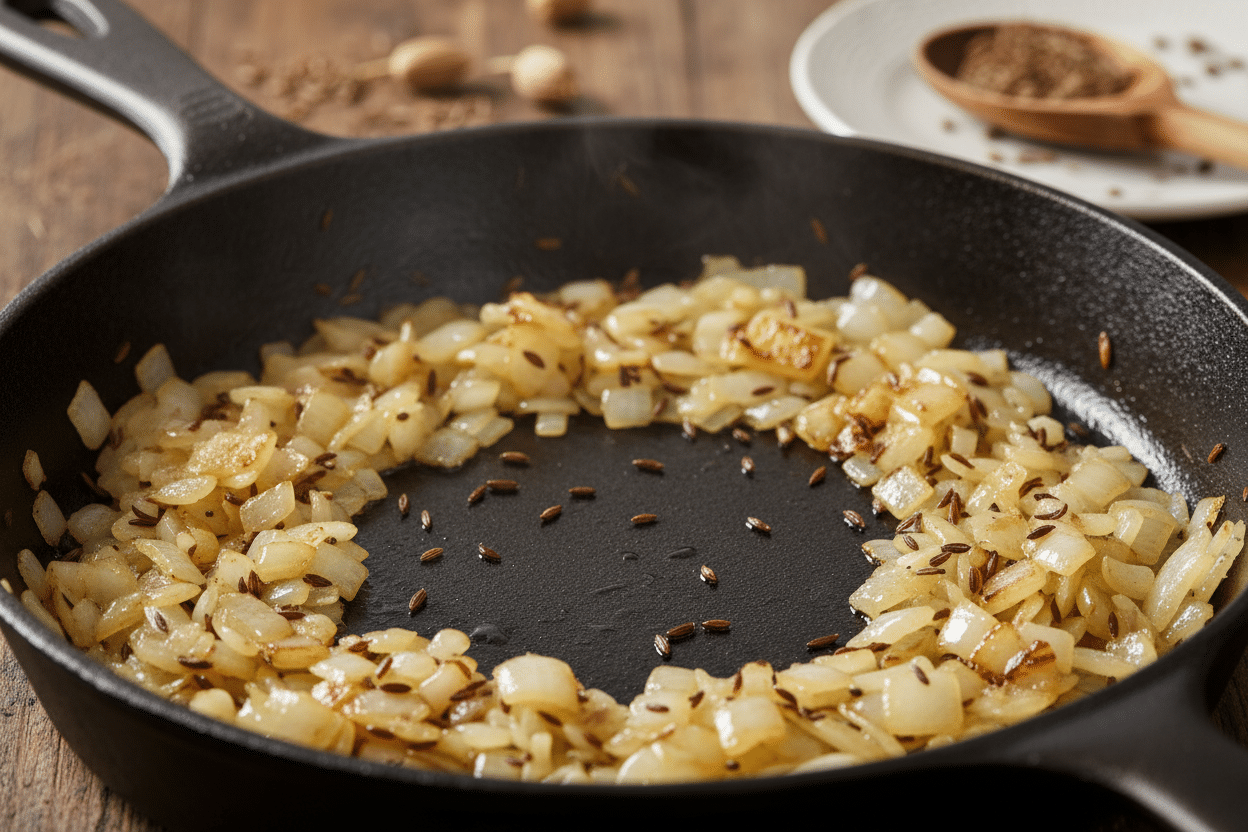
Heat the Oil and Temper Spices: In a large, heavy-bottomed pan or Dutch oven, heat a generous amount of cooking oil (vegetable or canola work well) over medium heat. Once hot, add cumin seeds and a pinch of asafoetida. Let them sizzle for about 15-20 seconds until fragrant and the cumin seeds turn a shade darker. Be careful not to burn them.
Sauté Aromatics: Add the finely chopped ginger, garlic, and green chilies to the pan. Sauté for about 1 minute until aromatic, being careful not to brown the garlic too much.
Cook the Potatoes: Add the cubed potatoes to the pan. Stir well to coat them in the spiced oil. Cook for about 5-7 minutes, stirring occasionally, until the edges start to turn lightly golden. This step helps them get a head start on cooking and prevents mushiness later.
Add Dry Spices: Reduce the heat to low. Stir in the turmeric powder, coriander powder, and cumin powder. Cook for another minute, stirring constantly, to toast the spices. This enhances their flavor significantly.
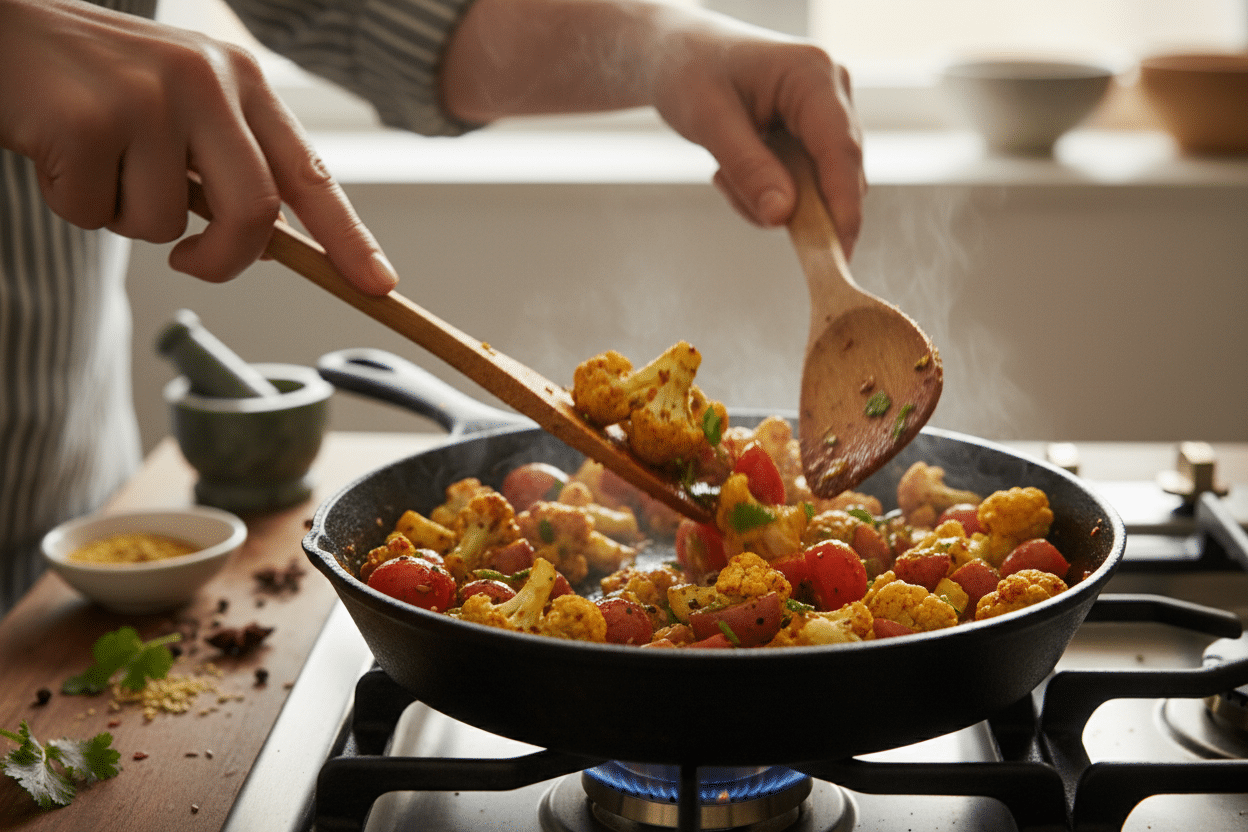
Introduce Cauliflower: Add the cauliflower florets to the pan. Sprinkle with salt to taste. Gently stir everything together, ensuring the spices coat both the potatoes and cauliflower. If the pan seems too dry, you can add a tablespoon or two of water to prevent burning.
Steam and Simmer: Cover the pan with a tight-fitting lid and let the vegetables cook on low to medium-low heat for 15-20 minutes. Stir occasionally to prevent sticking and ensure even cooking. The vegetables will cook in their own steam and the moisture from the oil.
Check for Doneness: After 15 minutes, check the potatoes and cauliflower. They should be tender but still hold their shape. If they need more time, re-cover and cook for another 5-10 minutes. If there’s too much liquid, remove the lid and increase the heat slightly to evaporate it, stirring gently.
Finish with Garam Masala and Cilantro: Once the vegetables are perfectly tender, sprinkle in the garam masala. Stir gently to incorporate. Garnish generously with fresh, chopped cilantro. Serve hot!
Common Variations
While the classic Aloo Gobi is a joy, it’s also incredibly adaptable. Here are a few ways to customize your cauliflower and potato stir-fry:
Dry (Sabzi) vs. Gravy (Curry)
Our recipe leans towards a dryer sabzi, which is traditional. To make it more of a gravy or curry, you can add chopped tomatoes, a splash of water, or even a tablespoon of tomato paste and a bit more liquid after adding the dry spices. Let it simmer longer to allow the flavors to meld into a rich sauce.
Adding Protein (Peas, Tofu, Paneer)
For an even heartier meal, consider adding protein:
- Peas: Frozen peas are a popular addition. Stir them in during the last 5 minutes of cooking.
- Tofu: Press extra-firm tofu, cut into cubes, and pan-fry separately until golden. Add to the Aloo Gobi along with the garam masala.
- Paneer: If you’re not strictly vegan, cubed paneer (Indian cheese) can be fried until golden and added at the end, much like tofu.
The Roasting Method vs. One-Pan Stovetop
While our recipe focuses on the efficient one-pan stovetop method, roasting is another fantastic approach. To roast, toss the cauliflower and potatoes with oil and spices on a baking sheet and roast until tender and slightly caramelized. Then, gently fold them into the tempered aromatics in a pan. This method can yield a beautiful texture and a different depth of flavor.
Pro Tips for Restaurant-Style Aloo Gobi at Home
Achieving that perfect Indian restaurant style vegetables dish at home is all about a few key techniques:
- Evenly Sized Veggies: This is paramount for consistent cooking. Uneven pieces will lead to some being mushy while others are still raw.
- Don’t Overcrowd the Pan: Give your vegetables space to breathe and brown slightly. Overcrowding can steam them instead of gently cooking, leading to a watery dish.
- Perfectly Tempered Spices: Taking the time to properly temper your whole spices (like cumin seeds) in hot oil releases their essential oils and forms the flavor foundation.
- Fresh is Best: Always opt for fresh ginger and garlic. The difference in aroma and taste compared to pastes is significant.
- Gentle Cooking: Aloo Gobi isn’t a dish to rush. Low and slow cooking allows the flavors to meld beautifully and ensures tender, not mushy, vegetables.
- The Cilantro Finish: A generous sprinkle of fresh, chopped cilantro at the very end brightens the dish and adds a final burst of herbaceous flavor. Don’t skip it!
What to Serve With Aloo Gobi
This versatile dish pairs wonderfully with a variety of accompaniments, making it a star of any Indian meal:
- Indian Breads: Hot, fluffy naan, soft roti, or flaky parathas are perfect for scooping up every delicious morsel.
- Rice: Serve it alongside a mound of steaming basmati rice, or for an extra aromatic touch, try jeera rice (cumin rice).
- Lentil Dal: A simple yellow or black Lentil Dal makes a complete and wholesome meal when paired with Aloo Gobi.
- Yogurt/Raita: A cooling side of plain yogurt or cucumber raita (yogurt with grated cucumber and spices) provides a refreshing contrast to the warm spices.
- Pickle & Chutney: A dab of your favorite Indian pickle or a dollop of mango chutney can add an extra layer of flavor and zest.
Storage, Freezing, and Reheating Instructions
Aloo Gobi is a fantastic dish for meal prepping, as it often tastes even better the next day once the flavors have had more time to deepen.
- Storage: Allow the Aloo Gobi to cool completely. Transfer it to an airtight container and refrigerate for up to 3-4 days.
- Freezing: While you can freeze Aloo Gobi, potatoes can sometimes become a bit mealy or develop a slightly altered texture after freezing and thawing. However, it’s generally acceptable. Store in a freezer-safe, airtight container for up to 1 month. Thaw overnight in the refrigerator before reheating.
- Reheating: For best results, reheat on the stovetop over medium-low heat, stirring occasionally, until warmed through. You may need to add a splash of water if it seems too dry. Alternatively, you can microwave individual portions until hot.
Frequently Asked Questions (FAQs)
Here are some common questions about making delicious Aloo Gobi:
Q: Is Aloo Gobi naturally vegan and gluten-free?
A: Yes, traditionally Aloo Gobi is made with only vegetables, oil, and spices, making it naturally vegan. As long as you don’t add dairy (like paneer) or gluten-containing ingredients (which are not typical), it is also gluten-free.
Q: How can I make my Aloo Gobi less spicy?
A: To reduce the heat, simply omit or reduce the number of green chilies. You can also reduce the amount of chili powder if your recipe calls for it, or use a mild variety.
Q: How do I prevent the potatoes and cauliflower from becoming mushy?
A: The key is uniform cutting and careful timing. Cut vegetables to a similar size. Cook potatoes for a few minutes before adding cauliflower, as potatoes take longer. Don’t over-stir, and cook covered on low heat to steam them tender without breaking them apart. Always check for doneness by piercing with a fork rather than cooking for a fixed time.
Q: Can I use frozen cauliflower for Aloo Gobi?
A: While fresh is always preferred for texture and flavor, frozen cauliflower can be used. Thaw it completely and pat it very dry to remove excess moisture, as too much water can make the dish watery and mushy. Add it a bit later in the cooking process since it cooks faster than fresh.
We hope this comprehensive guide inspires you to create your own unforgettable Aloo Gobi. It’s truly a dish that brings warmth, comfort, and incredible flavor to any table. Happy cooking!
For more delicious recipes and culinary inspiration, be sure to follow us on Facebook! You can find us here:
https://www.facebook.com/profile.php?id=61568538666337

Easy One-Pan Aloo Gobi
Ingredients
- 2 tbsp Cooking oil Olive oil, avocado oil, or melted coconut oil
- 1 tsp Cumin seeds
- 1 medium Yellow onion Finely diced
- 4 cloves Garlic Minced
- 1 tbsp Fresh ginger Grated
- 1 tsp Ground turmeric
- 1 tsp Ground coriander
- 1 tsp Garam masala Divided; add half during cooking and half at the end
- 2 medium Yukon gold potatoes Peeled and diced into 3/4-inch cubes
- 1 medium head Cauliflower Cut into bite-sized florets
- 1 cup Diced tomatoes Fresh or canned with juices
- 0.5 cup Water Or vegetable broth
- 1 tsp Salt Adjust to taste
- 0.25 cup Fresh cilantro Chopped, for garnish
- 1 tbsp Lemon juice Freshly squeezed
Instructions
- Heat the oil in a large skillet or Dutch oven over medium heat. Add the cumin seeds and toast for 1 minute until fragrant.
- Add the diced yellow onion to the skillet and sauté for 4-5 minutes until translucent and slightly golden brown.
- Stir in the minced garlic and grated ginger, cooking for an additional 1 minute until highly aromatic.
- Sprinkle in the turmeric, coriander, and half of the garam masala. Stir continuously for 30 seconds to lightly toast the ground spices.
- Add the diced potatoes, cauliflower florets, and diced tomatoes to the skillet. Toss well to ensure all the vegetables are evenly coated in the spice mixture.
- Pour in the water or vegetable broth and season with salt. Bring the liquid to a gentle simmer.
- Cover the skillet with a tight-fitting lid, reduce the heat to low, and let it cook for 15 to 20 minutes. Stir occasionally, until the potatoes and cauliflower are fork-tender.
- Remove the lid and increase the heat to medium for 2 to 3 minutes to allow any excess moisture to evaporate, creating a clingy spice coating.
- Remove the skillet from the heat. Stir in the remaining garam masala and fresh lemon juice.
- Garnish generously with chopped fresh cilantro before serving warm with rice or naan.
For more daily recipes and tips, follow us on Facebook!
Click here to join our community!