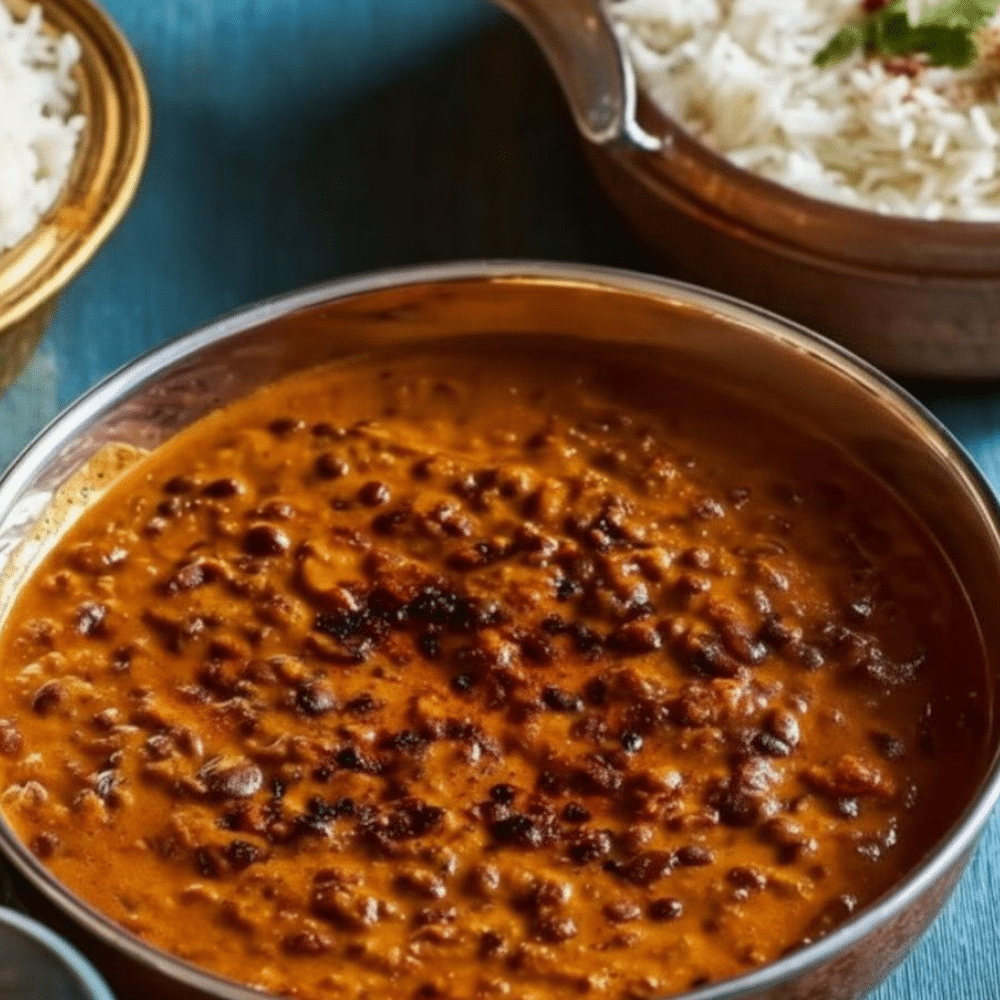
Welcome, food enthusiasts, to a culinary journey that promises to transform your kitchen into a fragrant Indian haven! Today, we’re diving deep into the heart of Punjabi cuisine to master a dish revered across the globe: the exquisite Dal Makhani. This isn’t just any lentil dish; it’s a creamy, smoky, and utterly satisfying experience that captures the essence of slow-cooked perfection. Forget those hurried restaurant visits; with this guide, you’ll be crafting your own restaurant-style dal makhani right at home.
1. Introduction to Dal Makhani
1.1 What is Dal Makhani?
At its core, Dal Makhani is a luxurious Indian lentil curry made primarily from whole black lentils (urad dal) and often includes kidney beans (rajma). Its signature rich, creamy texture and profound depth of flavor come from a combination of slow cooking, a tomato-ginger-garlic base, and generous amounts of butter and cream. It’s a dish that embodies comfort, elegance, and the warmth of Indian hospitality, making it a stellar vegetarian Indian dinner option.
1.2 The Origins of the Queen of Dals
Often hailed as the “Queen of Dals,” this iconic dish traces its origins to the Punjab region of Northern India. While humble lentils have been a staple for centuries, the modern Dal Makhani, with its indulgent creaminess, is said to have gained widespread popularity in the mid-20th century. It quickly became a centerpiece at special occasions and fine dining establishments, cementing its status as a beloved Punjabi dal makhani classic. Its enduring appeal lies in its ability to be both simple and complex, hearty and refined, all at once.
2. Essential Ingredients for the Perfect Lentil Stew
Creating an authentic black lentil recipe requires attention to quality ingredients. While the process may seem extensive, each component plays a vital role in building the dish’s legendary flavor profile.
2.1 Black Urad Dal and Rajma
The stars of our show are the whole black urad dal (also known as *kali dal*) and kidney beans (rajma). The black urad dal provides the characteristic texture and earthy foundation, breaking down beautifully over long hours of cooking to create a naturally thick, creamy black lentils stew. The kidney beans add another layer of texture and richness, complementing the lentils perfectly. Always opt for whole lentils, as split ones will cook too quickly and won’t achieve the same luxurious consistency.
2.2 The Role of Butter and Cream
This is where the “Makhani” (meaning “buttery”) truly comes into play. Unsalted butter and heavy cream are indispensable for achieving that signature restaurant-style dal makhani richness and glossy finish. They not only impart an incredibly decadent flavor but also contribute significantly to the dish’s silky smooth mouthfeel. Don’t be shy with these ingredients; they are key to transforming humble lentils into an unforgettable culinary masterpiece. Ghee (clarified butter) can also be used for an even more pronounced nutty aroma.
3. Step-by-Step Easy Dal Makhani Recipe
Patience is your secret ingredient for this Dal Makhani recipe. While it requires time, the active cooking is manageable, and the reward is absolutely worth it.
Yields: 6-8 servings
Prep time: 15 minutes (plus 8 hours soaking)
Cook time: 2-3 hours
Ingredients:
- 1 cup whole black urad dal (kali dal), sorted and rinsed
- 1/4 cup rajma (kidney beans), sorted and rinsed
- 6 cups water, plus more for soaking and adjusting consistency
- 2 tablespoons ghee or unsalted butter
- 1 large onion, finely chopped
- 1 tablespoon ginger-garlic paste
- 1 teaspoon green chili paste (optional, adjust to taste)
- 1 cup tomato puree (from ripe tomatoes or canned)
- 1 teaspoon ground cumin
- 1 teaspoon coriander powder
- 1/2 teaspoon turmeric powder
- 1/2 teaspoon red chili powder (or Kashmiri chili for color)
- 1/2 teaspoon garam masala
- Salt to taste
- 1/2 cup heavy cream, plus more for garnish
- 2 tablespoons unsalted butter, plus more for garnish
- Fresh coriander leaves, chopped, for garnish
3.1 Preparation and Soaking
- Thoroughly rinse the black urad dal and kidney beans under cold running water until the water runs clear. This removes any debris or impurities.
- Place the rinsed lentils and beans in a large bowl, cover with plenty of fresh water (at least 3-4 inches above the lentils), and let them soak overnight, or for a minimum of 8 hours. Soaking significantly reduces cooking time and helps the lentils cook evenly.
- After soaking, drain the water and rinse the lentils and beans again.
3.2 Slow Cooking the Lentils
- In a large heavy-bottomed pot or a pressure cooker, combine the soaked and rinsed urad dal and rajma with 6 cups of fresh water.
- If using a pressure cooker, cook on high pressure for 6-7 whistles, then reduce heat and cook for another 15-20 minutes. Allow the pressure to release naturally. If using a regular pot, bring to a boil, then reduce heat to low, cover, and simmer for 1.5 to 2 hours, or until the lentils are very tender and start to break down. You may need to add more hot water periodically to maintain consistency. The goal is incredibly soft, creamy black lentils.
- Once cooked, gently mash a portion of the lentils against the side of the pot with the back of a spoon to create a creamier consistency.
3.3 The Rich Tomato Flavor Base
- While the lentils are cooking, prepare the tempering (tarka). In a separate pan, heat 2 tablespoons of ghee or butter over medium heat.
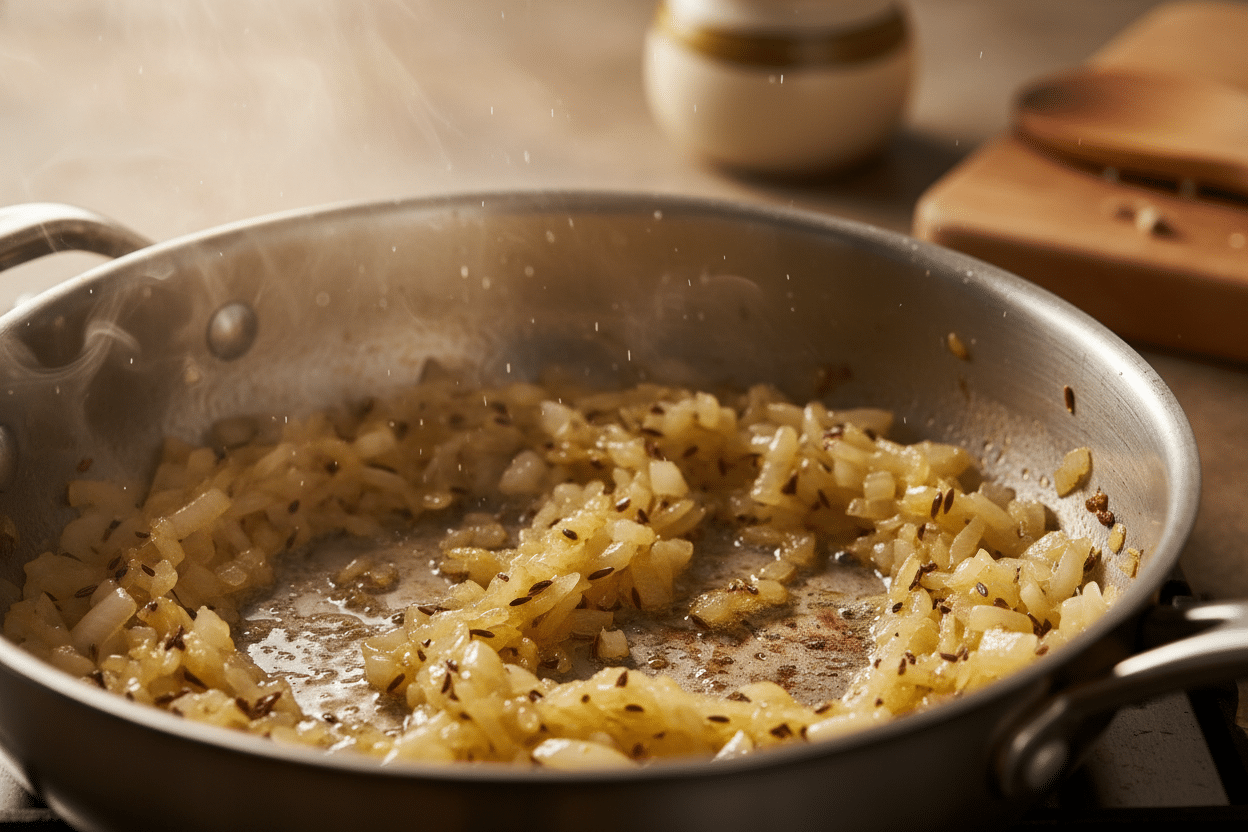
- Add the chopped onions and sauté until they turn golden brown, about 8-10 minutes.
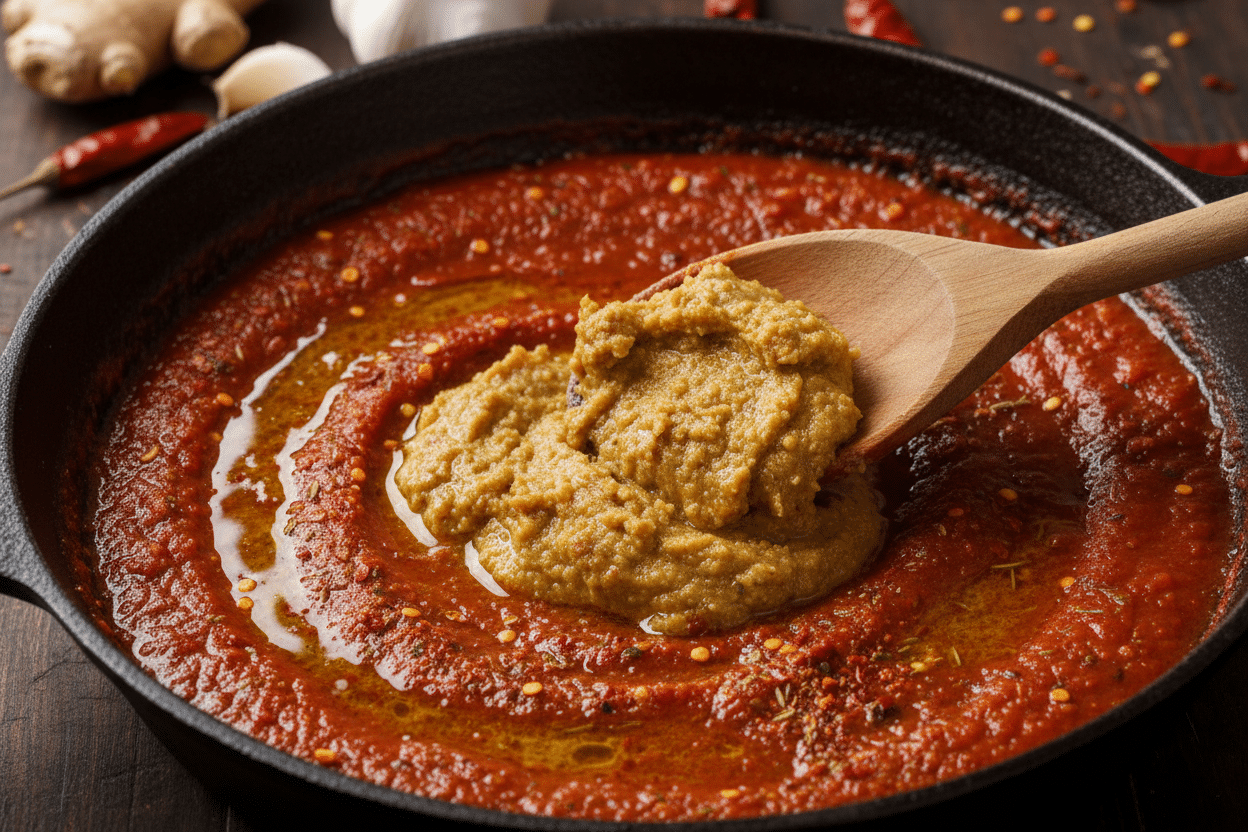
- Stir in the ginger-garlic paste and green chili paste (if using). Sauté for another minute until fragrant, being careful not to burn the garlic.
- Add the tomato puree, ground cumin, coriander powder, turmeric powder, and red chili powder. Cook, stirring frequently, for 10-15 minutes, until the mixture thickens and the oil separates from the sides. This is crucial for developing a deep, rich flavor.
- Once the tomato base is ready, add it to the cooked lentils. Stir well to combine.
- Season with salt and garam masala. Simmer on low heat for at least 30 minutes, stirring occasionally. The longer it simmers, the more the flavors meld, resulting in a truly rich and flavorful slow cooker dal. Add hot water if the dal becomes too thick.
3.4 The Dhungar Method for Smoky Flavor
To achieve that signature smoky, restaurant-style dal makhani aroma, employ the traditional Dhungar method (optional but highly recommended):
- Heat a small piece of charcoal directly on an open flame until it is red hot.
- Carefully place a small heat-proof bowl or a piece of aluminum foil in the center of the simmering dal.
- Place the hot charcoal inside the bowl. Drizzle 1/2 teaspoon of ghee or butter over the charcoal. It will immediately start to smoke.
- Quickly cover the pot with a tight-fitting lid to trap the smoke. Let it infuse for 5-7 minutes.
- Remove the charcoal and the bowl from the dal before serving.
Finally, stir in the 1/2 cup of heavy cream and 2 tablespoons of unsalted butter. Simmer for another 5 minutes, allowing the cream to warm through but not boil vigorously. Garnish with fresh coriander leaves and a swirl of extra cream and a dollop of butter before serving.
4. Expert Cooking Tips for Restaurant-Style Dal
4.1 Patience is Key: The Slow Cook Method
“The secret to truly exceptional Dal Makhani isn’t in complex spices, but in the patient, gentle simmer. Give it time, and the lentils will reward you with unparalleled depth and creaminess.”
As mentioned, the essence of a great punjabi dal makhani lies in its slow cooking. Don’t rush the process. The longer the lentils simmer on low heat after adding the tempering, the more the flavors develop and the dal becomes truly *makhani*. A good 2-3 hours of total cooking time, including the post-tempering simmer, is ideal for that deeply satisfying slow cooker dal consistency and taste.
4.2 Dairy-Free and Vegan Variations
For those seeking a dairy-free or vegan Indian dinner option, you can easily adapt this black lentil recipe. Substitute ghee and butter with your preferred plant-based oil (like avocado or coconut oil) and use a high-quality cashew cream or full-fat coconut milk instead of heavy cream. While the flavor profile will be slightly different, it will still yield a wonderfully rich and creamy black lentils dish that’s incredibly satisfying.
5. Serving Suggestions
5.1 Pairing with Naan and Jeera Rice
A perfectly cooked indian lentil curry like Dal Makhani deserves equally perfect accompaniments. The traditional pairing is with warm, fluffy naan bread, which is excellent for scooping up every last bit of the rich sauce. Alternatively, a simple jeera rice (cumin rice) provides a light, aromatic contrast that highlights the dal’s robust flavors. A side of fresh salad, sliced onions, or a cooling raita (yogurt dip) can complete the meal beautifully.
6. Frequently Asked Questions (FAQs)
Q: Can I make Dal Makhani ahead of time?
A: Absolutely! Dal Makhani is one of those dishes that often tastes even better the next day, as the flavors have more time to meld. Store it in an airtight container in the refrigerator for up to 3-4 days. Reheat gently on the stovetop, adding a splash of hot water or milk if it’s too thick.
Q: Can I freeze Dal Makhani?
A: Yes, it freezes very well. Once completely cooled, transfer it to freezer-safe containers and freeze for up to 2-3 months. Thaw in the refrigerator overnight and reheat as directed above.
Q: What if my black lentil recipe isn’t creamy enough?
A: The creaminess comes from two main factors: thorough cooking of the lentils until they break down, and the addition of butter and cream. Ensure your lentils are cooked until very tender. You can also mash a larger portion of them. If still not creamy enough, add a little extra cream or butter at the end and simmer for a few more minutes.
Q: Is Dal Makhani spicy?
A: The spiciness can be adjusted to your preference. This recipe uses green chili paste and red chili powder, which can be increased or decreased. For a milder version, omit the green chili paste and use less red chili powder, opting for Kashmiri chili powder for color without much heat.
We hope this detailed Dal Makhani recipe empowers you to create a culinary masterpiece in your own kitchen. There’s immense satisfaction in preparing such a classic dish from scratch, and the reward is a bowl of comforting, flavorful, and truly authentic Indian goodness. Don’t forget to share your creations with us!
For more delicious recipes and cooking inspiration, be sure to follow our community on Facebook! Find us at: https://www.facebook.com/profile.php?id=61568538666337
Classic Dal Makhani with Rice
Ingredients
- 1 cup Whole black urad dal Rinsed and soaked overnight
- 1/4 cup Red kidney beans (rajma) Rinsed and soaked overnight
- 3 tbsp Butter Unsalted preferred
- 1 large Onion Finely chopped
- 1 cup Tomato puree
- 1 tbsp Ginger-garlic paste
- 1 tsp Cumin seeds
- 1 tsp Kashmiri red chili powder For vibrant color
- 1 tsp Garam masala
- 1/4 cup Heavy cream
- 4 cups Water For boiling
- 1 pinch Salt To taste
- 2 tbsp Fresh coriander leaves Chopped, for garnish
- 2 tbsp Pomegranate seeds For garnish
- 2 cups Cooked basmati rice For serving
Instructions
- Rinse the whole black urad dal and red kidney beans thoroughly under running water.
- Soak the lentils and kidney beans in ample water overnight or for at least 8 hours.
- Drain the soaked lentils and transfer them to a large pot or pressure cooker with 4 cups of water and a pinch of salt.
- Cook until the lentils are completely soft and easily mashable between your fingers.
- In a separate heavy-bottomed pan, melt the butter over medium heat and add the cumin seeds until they sizzle.
- Add the finely chopped onion and sauté until golden brown.
- Stir in the ginger-garlic paste and cook for one minute until fragrant.
- Pour in the tomato puree, Kashmiri red chili powder, and garam masala, cooking until the oil separates from the masala.
- Transfer the boiled lentils into the pan with the tomato mixture and stir well to combine.
- Simmer the dal on low heat for at least 45 minutes, stirring occasionally and mashing some lentils against the side of the pot to thicken the stew.
- Stir in the heavy cream and let it simmer for another 5 minutes.
- Garnish with fresh coriander leaves and pomegranate seeds.
- Serve hot alongside steamed basmati rice.
For more daily recipes and tips, follow us on Facebook!
Click here to join our community!