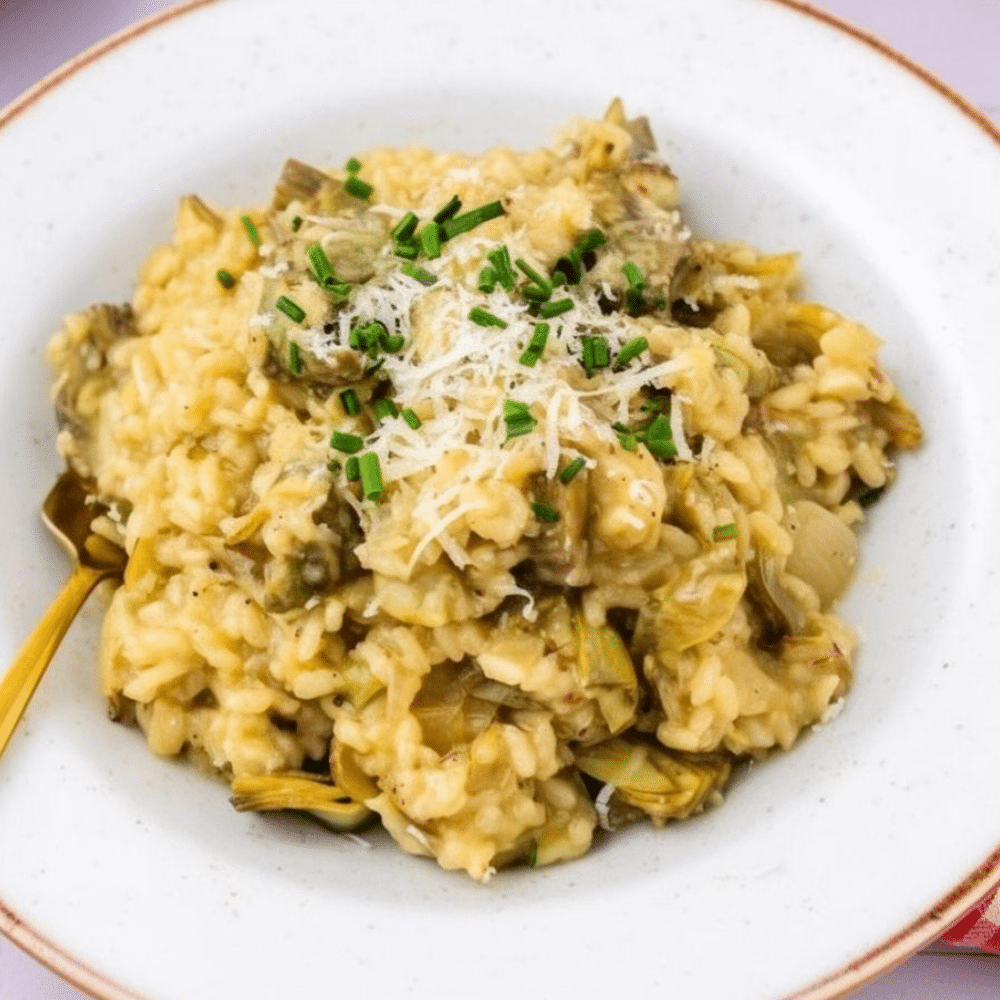
There are few dishes as comforting and elegant as a well-made risotto. Today, we’re diving into the delightful world of Artichoke Risotto, a dish that combines the creamy richness of classic Italian cooking with the unique, earthy flavor of artichokes. Get ready to transform simple ingredients into a truly unforgettable meal.
Introduction to Artichoke Risotto (Risotto ai Carciofi)
Known in Italy as Risotto ai Carciofi, this dish is a testament to the country’s culinary genius – taking humble pantry staples and elevating them into something extraordinary. Artichoke risotto offers a beautiful balance of textures and tastes: the satisfying bite of perfectly cooked rice, the silken embrace of a creamy sauce, and the subtle, slightly sweet tang of artichoke hearts. It’s a dish that feels both sophisticated and deeply homely, making it a favorite for weeknight dinners and special occasions alike.
Why You Will Love This Classic Italian Dish
If you’re looking for an impressive yet accessible meal, this creamy Italian risotto is your answer. It’s a fantastic option for a satisfying vegetarian dinner idea, packed with flavor that appeals to everyone. You’ll love the way the rich Parmesan cheese melds with the delicate artichoke, creating a symphony for your taste buds. The process of making it, while requiring a little patience, is incredibly rewarding. There’s something meditative about stirring the rice, watching it transform from translucent grains to a velvety, flavorful masterpiece. It’s a dish that truly nourishes the soul.
Key Ingredients for the Perfect Risotto
Success in risotto hinges on the quality and type of your ingredients. While the list might seem simple, each component plays a crucial role in achieving that signature creamy texture and depth of flavor.
Choosing the Right Rice: Arborio vs Carnaroli
The foundation of any great risotto is the rice itself. You need a short to medium-grain rice with a high starch content. Arborio rice is the most common and widely available choice for home cooks, and it’s excellent for making luscious arborio rice recipes. Its plump grains absorb liquid beautifully while releasing starch to create that characteristic creaminess. Carnaroli is another fantastic option, often considered the “king of risotto rice” by chefs due to its higher starch content and ability to maintain its shape better, but Arborio will yield fantastic results every time.
Artichoke Hearts: Fresh, Canned, or Frozen?
For this recipe, we’re keeping things convenient without sacrificing flavor. While fresh artichokes offer a wonderful experience, preparing them can be time-consuming. That’s why we often turn to pre-prepared options. Canned artichoke hearts (packed in water, not oil) are a fantastic choice for their tender texture and ready-to-use nature. They provide all the essential artichoke flavor without the fuss. Frozen artichoke hearts can also work well; just ensure they are thawed and thoroughly drained before using. Whichever you choose, ensure they are well-drained and chopped into bite-sized pieces.
Step-by-Step Instructions
Making a truly exceptional risotto is less about complex techniques and more about attention and timing. Here’s how to cook risotto to perfection.
Prepare Your Ingredients: Finely chop a medium onion or shallot and mince a couple of cloves of garlic. Have your vegetable broth warmed in a separate pot – keeping it hot is crucial for even cooking. Drain and chop your canned artichoke hearts. Grate your Parmesan cheese.
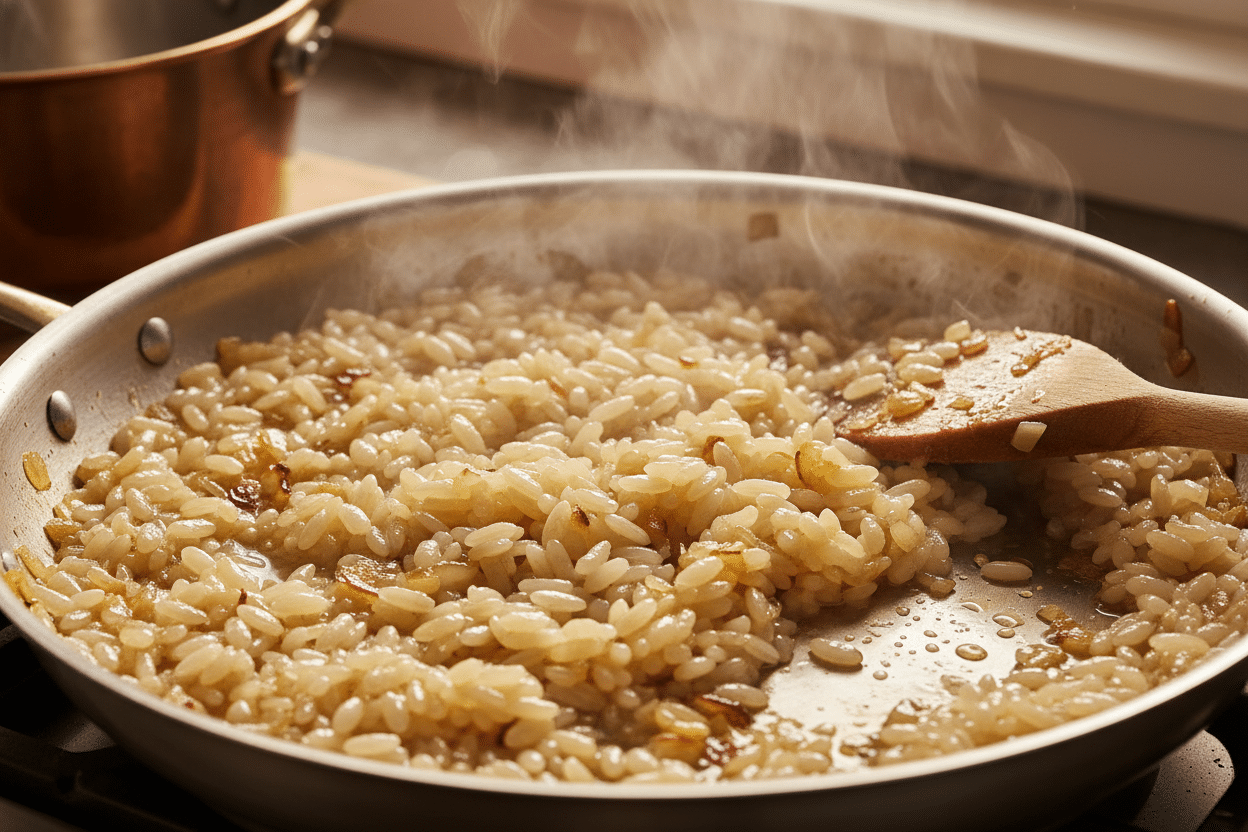
Sauté Aromatics: In a heavy-bottomed pot or Dutch oven, heat about 2 tablespoons of olive oil over medium heat. Add the chopped onion/shallot and cook gently until softened and translucent, about 5-7 minutes. Add the minced garlic and cook for another minute until fragrant, being careful not to let it brown.
Toast the Rice: Add 1 ½ cups of Arborio rice to the pot. Stir continuously for 2-3 minutes until the edges of the grains become translucent but the center remains opaque. This toasting step is vital for developing the nutty flavor and ensuring the rice cooks evenly without becoming mushy.
Deglaze with Wine: Pour in ½ cup of dry white wine (like Pinot Grigio or Sauvignon Blanc). Stir constantly until the wine is completely absorbed by the rice. The alcohol will evaporate, leaving behind a wonderful depth of flavor, contributing to a truly delightful white wine risotto.
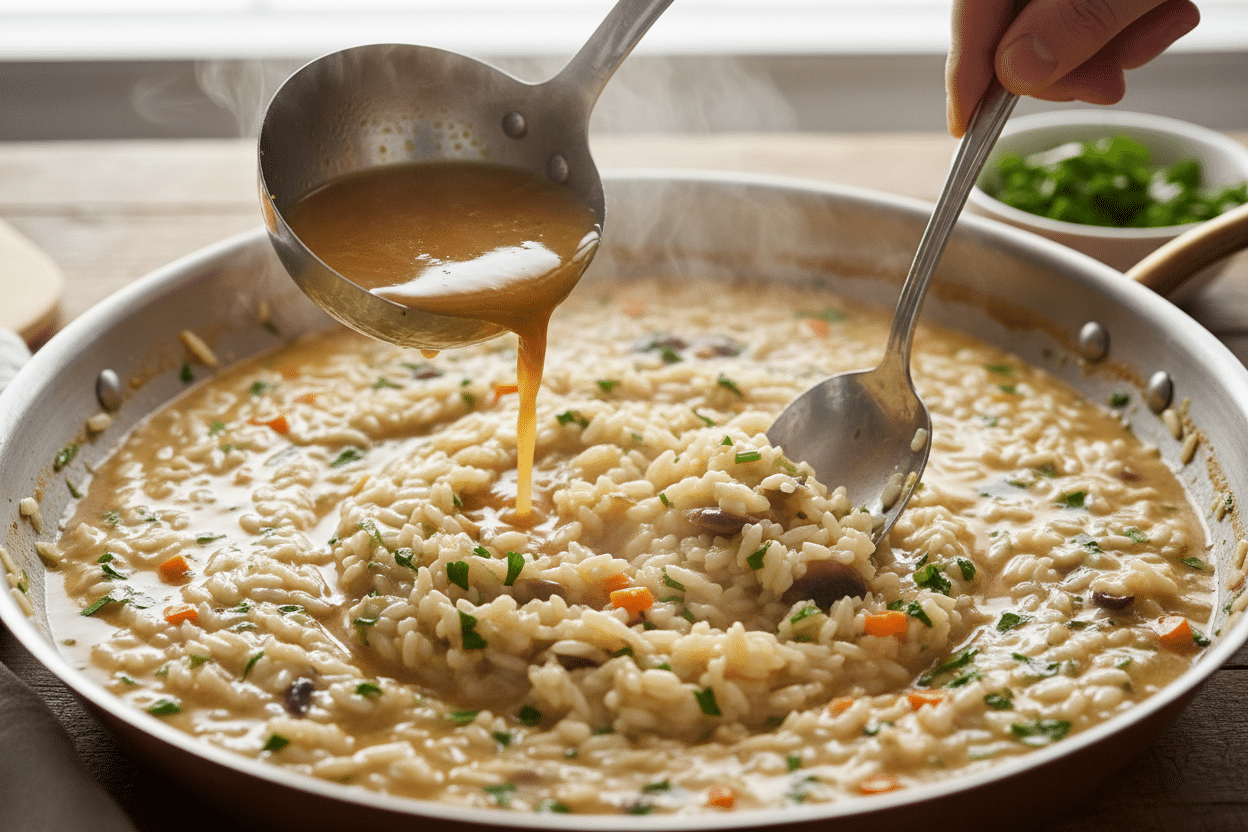
Add Broth Gradually: Begin adding the warm vegetable broth, one ladleful (about ½ cup) at a time. Stir frequently, almost constantly, allowing each ladleful to be nearly absorbed by the rice before adding the next. This constant stirring is what releases the starch from the rice, creating that characteristic creamy texture. Maintain a gentle simmer throughout this process.
Continue Stirring and Tasting: This process will take about 20-25 minutes. Continue adding broth and stirring. Around the 15-minute mark, add the chopped artichoke hearts to the risotto. Keep tasting the rice. You’re looking for an al dente texture – tender but with a slight bite in the center.
Finish with Creaminess: Once the rice is perfectly cooked and the risotto has a flowing, wave-like consistency (called all’onda), remove the pot from the heat. Stir in ¼ cup of grated Parmesan cheese and 1-2 tablespoons of butter (optional, but highly recommended for extra richness). Cover the pot and let it rest for 2-3 minutes. This final “mantecatura” step makes it incredibly creamy.
Serve Immediately: Give it a final stir. Season with salt and freshly ground black pepper to taste. Ladle into warm bowls and garnish with extra Parmesan cheese and fresh parsley, if desired.
“The secret to a truly perfect risotto isn’t just the ingredients; it’s the rhythm of the stir and the patience to let the rice tell its story.”
Expert Tips for a Creamy Texture
Achieving that signature creamy texture is the hallmark of a great risotto. Here are a few secrets:
- Keep Broth Hot: Adding cold broth to hot rice will shock it, slowing down the cooking process and potentially leading to uneven texture. Always keep your broth simmering gently on a back burner.
- Stir, Stir, Stir (But Don’t Over-Stir): Constant stirring encourages the rice grains to rub against each other, releasing their starchy goodness. However, over-stirring can break down the grains. Aim for frequent, gentle stirring.
- Don’t Rush It: Risotto is a dish that rewards patience. Allow each addition of liquid to be absorbed before adding the next. This controlled process is key to developing flavor and texture.
- Taste Often: The only way to know when your rice is perfectly al dente is to taste it frequently towards the end of the cooking time.
- The Final Flourish: The “mantecatura” (the final stirring in of butter and Parmesan cheese risotto off the heat) is critical. It emulsifies the fats and starch, creating that luxurious, velvety finish. Don’t skip it!
What to Serve with Artichoke Risotto
This dish is hearty and flavorful enough to stand alone as a main course, especially as a fantastic vegetarian dinner idea. However, if you’re looking to round out your meal, here are some simple suggestions:
- A crisp, green salad with a light vinaigrette to cut through the richness.
- Crusty Italian bread to sop up any leftover creamy goodness.
- Steamed asparagus or green beans for an extra vegetable boost.
- If you’re not vegetarian, a simple grilled chicken breast or pan-seared scallops can be a lovely accompaniment.
Storage and Reheating Tips
While risotto is best enjoyed immediately, leftovers can be stored. Place cooled risotto in an airtight container in the refrigerator for up to 2-3 days.
Reheating risotto can be tricky, as it tends to thicken and lose its creamy texture. To reheat:
- Place the desired portion in a saucepan with a splash of extra vegetable broth or water.
- Heat gently over low heat, stirring constantly, until warmed through. You might need to add a bit more liquid to restore some of the creaminess.
- Avoid microwaving if possible, as it can make the rice dry and gummy.
Keep in mind that reheated risotto will never be quite as perfect as freshly made, but it will still be delicious!
Frequently Asked Questions
Can I make this risotto with fresh artichokes?
Absolutely! If using fresh artichokes, you’ll need to trim, clean, and cook them before adding them to the risotto. Blanching or steaming them until tender is a good approach. This will add an extra layer of preparation but offers a wonderful fresh flavor.
What if I don’t have white wine?
While white wine adds a lovely depth of flavor to risotto, you can omit it if you prefer. Simply substitute the ½ cup of wine with an equal amount of warm vegetable broth. The dish will still be delicious and creamy.
How do I know when the rice is al dente?
Al dente literally means “to the tooth.” When you bite into a grain of rice, it should be tender on the outside but still have a slight, pleasant chewiness in the center. It shouldn’t be hard or chalky, nor should it be mushy.
Can I add other vegetables to this risotto?
Yes, risotto is incredibly versatile! Peas, mushrooms, or even some finely diced bell peppers could be lovely additions. Just be mindful of their cooking times; add them at appropriate stages so they don’t overcook.
Is it possible to make Artichoke Risotto ahead of time?
Risotto is a dish that truly shines when served immediately. While you can prep ingredients ahead, cooking the risotto itself should ideally be done right before serving to ensure the best texture and creaminess. The rice continues to cook and absorb liquid even after it’s removed from the heat.
We hope you enjoy making and savoring this incredible Artichoke Risotto. It’s a dish that truly brings joy to the table.
For more delicious recipes and cooking inspiration, be sure to follow us on Facebook: https://www.facebook.com/profile.php?id=61568538666337
Creamy Artichoke Risotto
Ingredients
- 1.5 cups Arborio rice Carnaroli rice can also be used.
- 14 oz Artichoke hearts Canned or thawed from frozen, roughly chopped.
- 0.5 cup Parmesan cheese Freshly grated.
- 2 tbsp Fresh chives Finely chopped.
- 4 cups Vegetable broth Kept warm on the stove.
- 0.5 cup Dry white wine Pinot Grigio or Sauvignon Blanc.
- 3 tbsp Unsalted butter Divided use.
- 1 tbsp Olive oil Extra virgin.
- 1 small Yellow onion Finely diced.
- 2 cloves Garlic Minced.
Instructions
- Heat the vegetable broth in a saucepan over low heat and keep it warm.
- In a large heavy-bottomed pan, melt 1 tablespoon of butter with the olive oil over medium heat. Add the diced onion and sauté until translucent, about 3 to 4 minutes.
- Stir in the minced garlic and chopped artichoke hearts, cooking for another 2 minutes until fragrant.
- Add the Arborio rice, stirring constantly for 1 to 2 minutes until the edges of the rice grains become slightly translucent.
- Pour in the dry white wine and stir continuously until the liquid is completely absorbed by the rice.
- Begin adding the warm vegetable broth one ladle at a time, stirring frequently.
- Remove the pan from the heat. Stir in the remaining 2 tablespoons of butter, grated Parmesan cheese, and fresh chives.
- Season with salt and freshly ground black pepper to taste. Let the risotto rest for 2 minutes before serving hot.
For more daily recipes and tips, follow us on Facebook!
Click here to join our community!