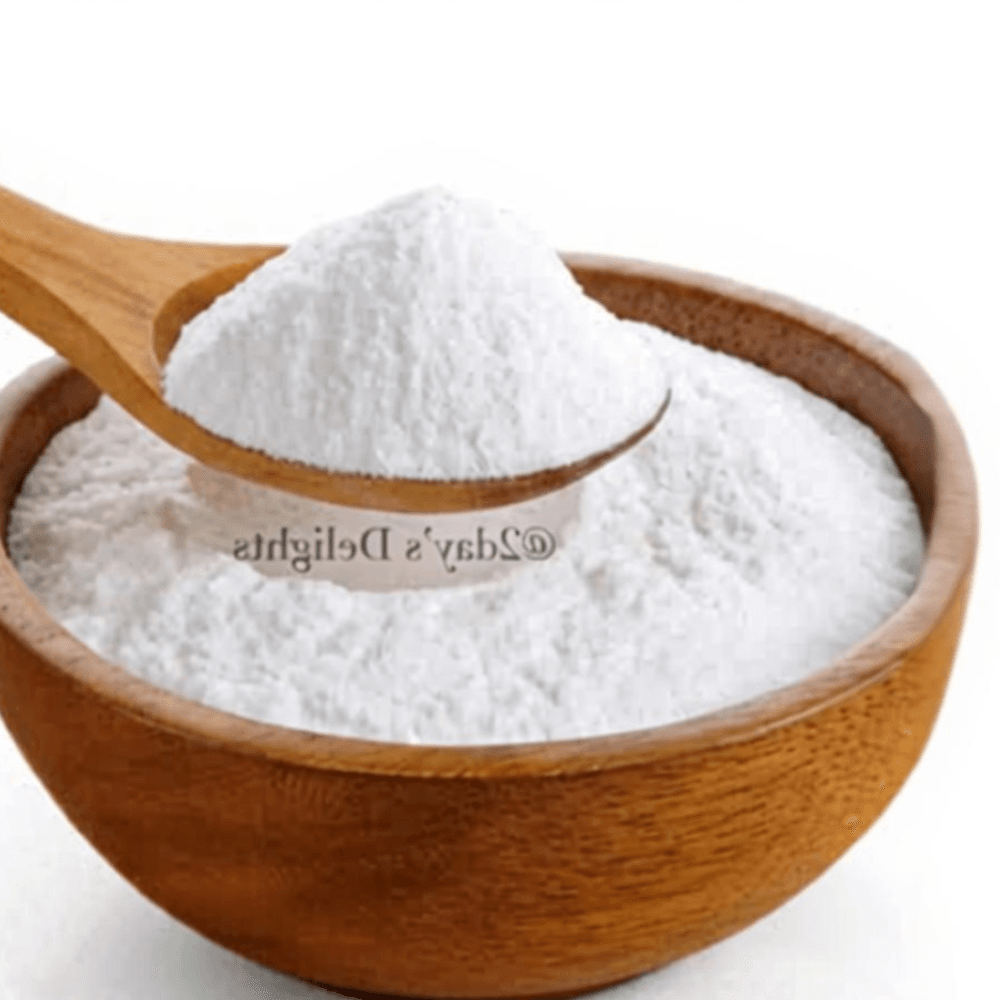
Picture this: you’re halfway through mixing your favorite batch of cookies, biscuits, or a fluffy cake, the aroma of vanilla and sugar already filling your kitchen, when you reach for the baking powder… and the container is mysteriously empty. Panic sets in! Don’t let an empty pantry derail your baking ambitions. Knowing a reliable baking powder substitute is a secret weapon every home baker needs. This guide will walk you through essential pantry swaps and a foolproof DIY recipe, ensuring your bakes always rise to the occasion.
At its heart, baking is a delicate balance of ingredients working together. One of the most crucial elements for light, airy textures are leavening agents. These magical ingredients create gas bubbles within your batter, causing it to rise. It’s a simple science: an acid reacts with a base to produce carbon dioxide, giving your treats that wonderful lift. While baking powder is a pre-mixed combination of an acid, a base (baking soda), and a stabilizer, baking soda is just the base. This fundamental difference is key to understanding how to create effective substitutes.
The Best DIY Baking Powder Substitute (Dry Recipe)
When you’re out of store-bought baking powder, the best solution is often a quick trip to your spice cabinet to whip up your own. This homemade blend is incredibly effective and gives you complete control over your ingredients. It’s also a fantastic homemade baking powder that lasts well when stored correctly.
The Golden Ratio: 1:2:1
This specific ratio for creating a homemade baking powder is time-tested and works perfectly because it provides the right balance for a robust leavening reaction. It ensures enough acid to activate the baking soda fully, with cornstarch preventing premature reactions and aiding in even distribution.
- Ingredient 1: Baking Soda (The Base)
Sodium bicarbonate, or baking soda, is the alkaline component that reacts with an acid to produce carbon dioxide gas. It’s the primary driver of the lift in your baked goods. - Ingredient 2: Cream of Tartar (The Acid)
Potassium bitartrate, commonly known as cream of tartar, is a powdered acid that provides the necessary acidity to activate the baking soda. It’s a stable, easily stored acid that makes this dry blend work beautifully. - Ingredient 3: Cornstarch (The Stabilizer)
The inclusion of cornstarch in baking powder isn’t for leavening; it’s a vital inert ingredient. It absorbs moisture, preventing the acid and base from reacting prematurely in storage. It also helps to prevent clumping and ensures the mixture disperses evenly throughout your dry ingredients.
To create your own single-use homemade baking powder:
For every 1 teaspoon of baking powder a recipe calls for, combine:
- 1/4 teaspoon baking soda
- 1/2 teaspoon cream of tartar
- 1/4 teaspoon cornstarch
How to Scale the Recipe
You can easily scale this recipe for single teaspoon usage or for bulk batching. For a single recipe, just mix the required amount directly into your dry ingredients. If you bake frequently, making a larger batch of your own homemade baking powder can be a time-saver.
To make a larger quantity, simply multiply the ratio. For example, to make a cup of baking powder:
- 1/4 cup baking soda
- 1/2 cup cream of tartar
- 1/4 cup cornstarch
Storage tips for homemade blends: Store your DIY baking powder in an airtight container in a cool, dry, dark place. Label it clearly with the date it was made. While cornstarch helps prevent reactions, it’s generally best to use homemade batches within 6-8 weeks for optimal freshness and leavening power.
5 Emergency Pantry Substitutes (When You Lack Cream of Tartar)
What if you don’t even have cream of tartar on hand? Don’t despair! Your pantry likely holds other acidic ingredients that, when paired with baking soda, can create an effective baking powder substitute.
1. White Vinegar + Baking Soda
The science is simple: acetic acid in white vinegar vigorously reacts with baking soda to produce carbon dioxide. This rapid reaction means you’ll want to add it right before baking.
- Ratio: For every 1 teaspoon of baking powder needed, combine 1/2 teaspoon white vinegar with 1/4 teaspoon baking soda.
- Best for: Pancakes, waffles, quick breads, and muffins where a slight tang won’t be out of place.
2. Lemon Juice + Baking Soda
Lemon juice, rich in citric acid, works similarly to vinegar. It’s an excellent lemon juice baking powder substitute. Its citrusy notes can complement certain desserts beautifully.
- Flavor implications: While generally subtle, consider the bright lemon flavor. It’s fantastic in vanilla cakes, fruit cakes, or recipes that benefit from a hint of citrus. It might clash with very delicate chocolate flavors.
- Ratio adjustments: For every 1 teaspoon of baking powder, use 1/2 teaspoon lemon juice mixed with 1/4 teaspoon baking soda. Remember that lemon juice is a liquid, so you may need to reduce other liquids in your recipe by a small amount (e.g., 1/2 teaspoon) to maintain the desired consistency.
3. Buttermilk or Yoghurt
Naturally acidic dairy products like buttermilk or plain yoghurt are fantastic for activating baking soda. This is an excellent buttermilk substitute for baking powder when you have the ingredients.
- How dairy acidity activates baking soda: The lactic acid in these products reacts with baking soda to create lift.
- Reducing other liquids: If your recipe calls for regular milk or water, substitute it with buttermilk or yoghurt at a 1:1 ratio, and then add 1/4 teaspoon of baking soda for every 1 teaspoon of baking powder needed. You’ll likely need to reduce other liquids in the recipe to maintain proper consistency.
- Best for: Biscuits, soda bread, pancakes, and dense cakes where their creamy texture and slight tang are welcome. Many of these options also serve as a good vegan baking powder substitute if you use a plant-based yoghurt or a homemade vegan buttermilk (plant milk + vinegar/lemon juice).
4. Molasses + Baking Soda
This might surprise you, but molasses is quite acidic! It’s a fantastic option for specific types of baked goods.
- The surprising acidity of molasses: Its natural acidity reacts with baking soda, providing both leavening and a rich, deep flavor.
- Best for: Gingerbread, spice cookies, dark breads, and anything that benefits from the unique, robust flavor and dark color of molasses. For every 1 teaspoon of baking powder, use 1/4 cup molasses with 1/4 teaspoon baking soda, reducing other liquids by 1/4 cup.
5. Whipped Egg Whites
This method doesn’t rely on chemical reactions but on mechanical leavening. It’s more of a technique than a direct ingredient swap, but it can save a bake in a pinch, especially for certain desserts.
- Mechanical leavening vs. chemical leavening: Instead of gas produced by a chemical reaction, air is incorporated directly into the egg whites, creating a stable foam that expands when heated.
- How to fold gently to retain air bubbles: Whip egg whites until stiff peaks form. Then, very gently fold them into your batter as the last step, being careful not to deflate the air.
- Best for: Soufflés, sponge cakes, meringues, and light mousses where a delicate, airy structure is desired. It’s not suitable for all baked goods that require the strong lift of baking powder.
Self-Rising Flour: The Hidden Substitute
If you have self-rising flour in your pantry, you’re in luck! It’s essentially all-purpose flour that already has a leavening agent and salt mixed in, making it a convenient shortcut and a great baking powder substitute.
- What is self-rising flour? It’s a pre-mixed flour that typically contains all-purpose flour, baking powder, and salt. The exact proportions can vary slightly by brand.
- How to swap all-purpose flour for self-rising flour: If your recipe calls for all-purpose flour and baking powder, you can often substitute self-rising flour directly.
- Omit salt and baking powder from the original recipe: For every cup of all-purpose flour in your recipe, use one cup of self-rising flour. Critically, do not add any additional baking powder or salt that the recipe might call for, as these are already included in the self-rising flour. If your recipe calls for baking soda, you’ll still need to add that separately.
Troubleshooting & Tips
Understanding the nuances of leavening agents is key to successful baking. Here are some critical distinctions and tests.
Baking Soda vs. Baking Powder
While both are leavening agents, they are not interchangeable without adjustments. This is where understanding baking powder vs baking soda is crucial.
- Why you cannot swap them 1:1 without adjustments: Baking soda is a pure base and requires an acid to react and produce gas. Baking powder already contains both an acid and a base, so it only needs moisture (and sometimes heat, in double-acting varieties) to activate. Swapping baking soda directly for baking powder would result in a bake that doesn’t rise and might have a soapy, bitter taste due to unreacted baking soda. Conversely, swapping baking powder for baking soda in a recipe that already has ample acid (like buttermilk pancakes) would lead to less rise.
- The metallic taste of excess baking soda: Too much unreacted baking soda leaves a distinct, unpleasant metallic or soapy taste in your baked goods. This is why precise ratios are so important when creating a baking soda substitute or any homemade blend.
How to Test if Your Leavener is Fresh
Leavening agents lose their potency over time. A quick test can save your bake from falling flat.
- The hot water test for baking powder: To test baking powder, add 1 teaspoon to 1/2 cup of hot water. If it fizzes vigorously, it’s still fresh and active. If there’s little to no fizz, it’s time for a new container.
- The vinegar test for baking soda: To test baking soda, add 1/4 teaspoon to 2 tablespoons of white vinegar. It should immediately fizz energetically. If the reaction is weak, replace your baking soda.
Frequently Asked Questions (FAQ)
Here are some common questions about leavening and baking powder substitutes:
-
Can I bake without baking powder entirely?
Yes, for certain recipes! Some baked goods, like meringues, soufflés, and angel food cakes, rely on mechanically whipped ingredients (like egg whites) for their rise, or contain enough natural acidity (like some sourdoughs) to react with baking soda. However, most cakes, cookies, and quick breads designed for chemical leavening will fall flat without some form of baking powder or an effective baking powder substitute. -
Does homemade baking powder expire?
Yes, homemade baking powder does expire, or rather, it loses its potency over time. While the cornstarch helps, moisture in the air can still cause the acid and base to react slowly. For best results, it’s recommended to use homemade baking powder within 6-8 weeks of mixing, storing it in an airtight container in a cool, dry place. -
Is cornstarch necessary for the reaction?
Cornstarch is not necessary for the chemical reaction that produces gas (that’s the baking soda and acid). However, it is a crucial component in commercial and homemade baking powder blends. It acts as a buffer and anti-caking agent, absorbing moisture and preventing the acid and baking soda from reacting prematurely while stored. Without cornstarch, your homemade baking powder would likely lose its effectiveness much faster.
Conclusion
Running out of baking powder doesn’t have to mean calling off your baking plans. With a little knowledge and a few common pantry staples, you can easily create an effective baking powder substitute. Whether you opt for a balanced DIY blend of baking soda, cream of tartar, and cornstarch, or turn to emergency wet substitutes like vinegar or buttermilk with baking soda, your delicious creations are just a few simple steps away from rising to perfection.
So, next time you’re whipping up a storm in the kitchen, remember these handy tricks. Better yet, stock up on essentials like baking soda and cream of tartar to ensure you’re always prepared! Happy baking!
Follow us for more baking tips and delicious recipes on Facebook: https://www.facebook.com/profile.php?id=61568538666337
Homemade Baking Powder Substitute
Ingredients
- 1 tbsp (15g) Baking soda The base component
- 2 tbsp (30g) Cream of tartar The acidic component
- 1 tbsp (8g) Cornstarch Optional, prevents clumping
Instructions
- Measure the baking soda, cream of tartar, and cornstarch into a small bowl.
- Whisk the ingredients together thoroughly until well combined and uniform.
- Use immediately or transfer to an airtight container for storage.
For more daily recipes and tips, follow us on Facebook!
Click here to join our community!