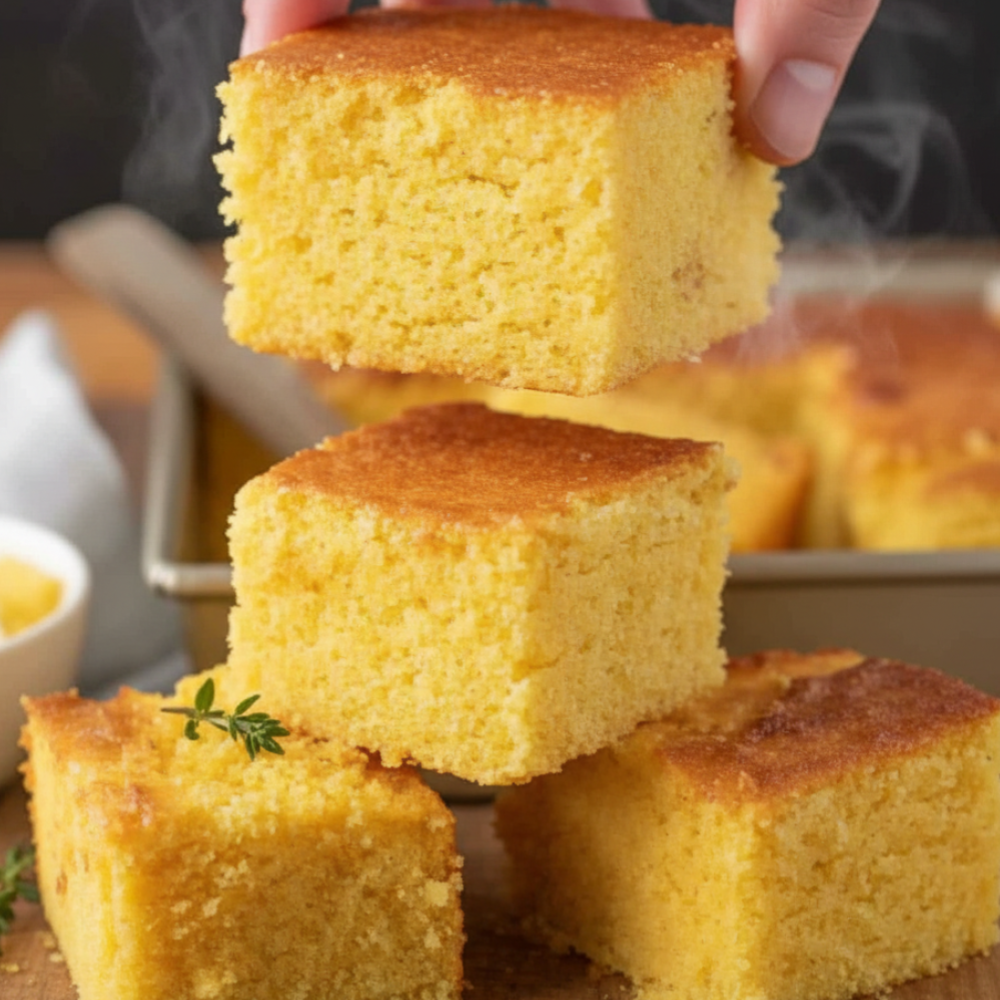
A Deep Dive into Savory Cornmeal Baking: The Ultimate Cornbread
Cornbread holds a cherished place in culinary tradition, particularly as a quintessential southern side dish. This robust savory quick bread, with its distinct texture and comforting warmth, transcends simple accompaniment to become a star in its own right. While often recognized for its straightforward appeal, a perfectly executed cornmeal recipe can offer layers of flavor and a tender crumb that elevates any meal. We explore the art of crafting an exceptional cornbread, focusing on the rich depth achieved through thoughtful preparation and the aromatic complexity introduced by fresh herbs. Our journey culminates in a definitive recipe for cast iron skillet bread, infused with the subtle, earthy notes of fresh thyme and the irresistible warmth of brown butter.
Historically, cornbread served as a staple, a cornerstone of meals providing sustenance and satisfaction. Its evolution reflects regional variations, from dense, cake-like versions to crumbly, more austere preparations. The version we share today respects this heritage while introducing a refined touch, ensuring a memorable eating experience. The use of a cast iron skillet is non-negotiable for achieving that signature crisp crust and even heat distribution. Infusing butter with fresh thyme recipes elevates the entire profile, moving beyond the familiar and into the truly extraordinary.
Essential Ingredients for Superior Cornbread
Crafting this exquisite cornbread requires precision with simple, high-quality ingredients. Each component plays a crucial role in developing the ideal flavor and texture.
- Yellow Cornmeal (1 cup): The foundation of our cornbread. Yellow cornmeal provides the characteristic texture and earthy flavor.
- All-Purpose Flour (1 cup): Balances the cornmeal, contributing to a lighter, more tender crumb without sacrificing structure.
- Baking Powder (1 tablespoon): Acts as the primary leavening agent, ensuring a good rise and an airy texture.
- Salt (1 teaspoon): Essential for seasoning, it enhances all other flavors in the bread.
- Unsalted Butter (0.5 cup): This will be browned, providing a nutty depth of flavor that defines this particular cornmeal recipe.
- Fresh Thyme (1 tablespoon): The aromatic backbone. Fresh thyme infuses the brown butter, adding a fragrant, savory counterpoint to the subtle sweetness.
- Buttermilk (1 cup): Contributes moisture, tenderness, and a slight tang, reacting with the baking powder for optimal lift.
- Large Eggs (2): Provide structure, richness, and help bind the ingredients together.
- Honey (0.25 cup): A touch of sweetness that beautifully complements the savory notes of thyme and brown butter.
Step-by-Step Instructions: Crafting Your Savory Cornbread
Achieving the perfect cornbread involves careful attention to each stage of preparation. Follow these steps precisely to ensure a golden, tender, and aromatic cast iron skillet bread.
- Prepare Your Baking Environment: Preheat your oven to a precise 400 degrees Fahrenheit (200 degrees Celsius). A hot oven is critical for a good rise and crust. Generously grease a 9-inch cast iron skillet. The skillet’s pre-greased surface will contribute to the crust development and prevent sticking.
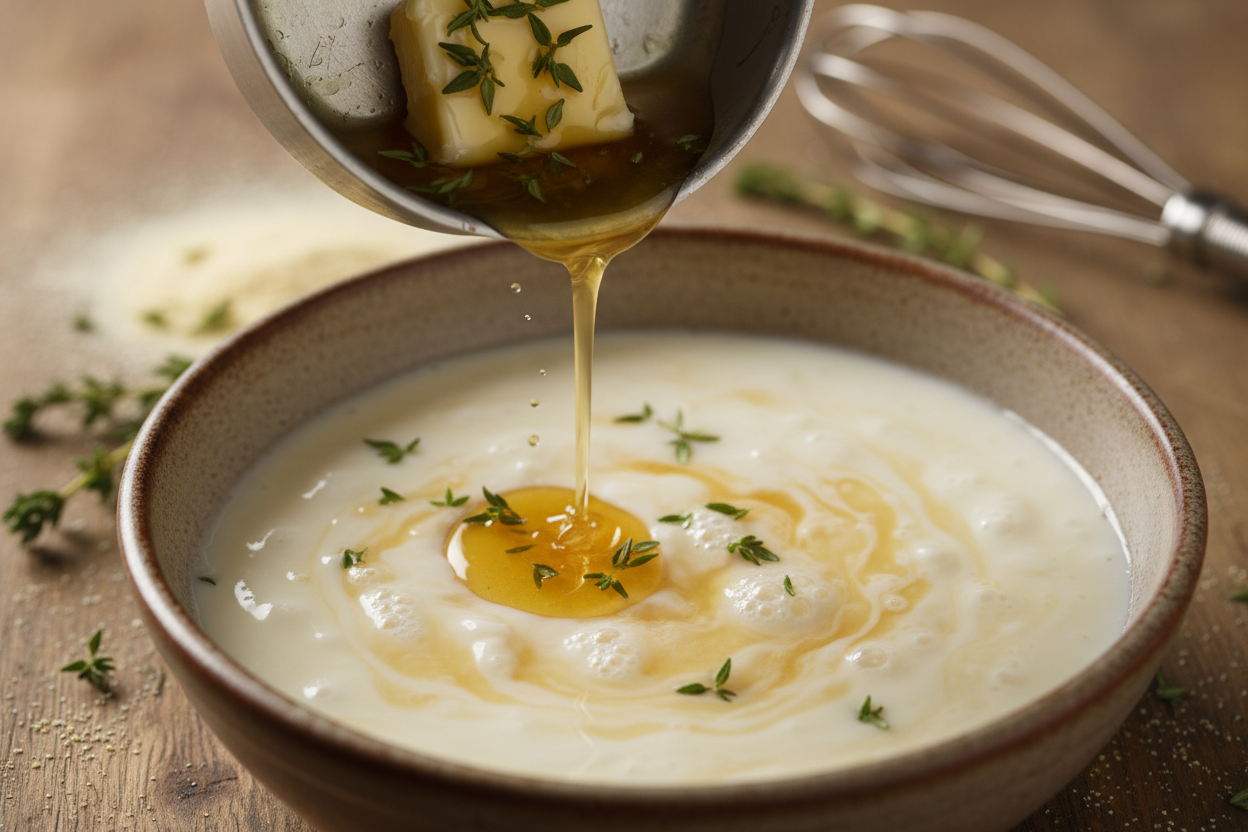
- Infuse the Butter with Thyme: In a small saucepan, melt 0.5 cup of unsalted butter over medium heat. Continue to cook, stirring occasionally, until the butter turns a rich golden-brown color and emits a nutty aroma. This is the essence of brown butter baking. Immediately remove from heat and stir in 1 tablespoon of fresh thyme leaves. Allow this aromatic butter to cool slightly while you prepare the dry ingredients.
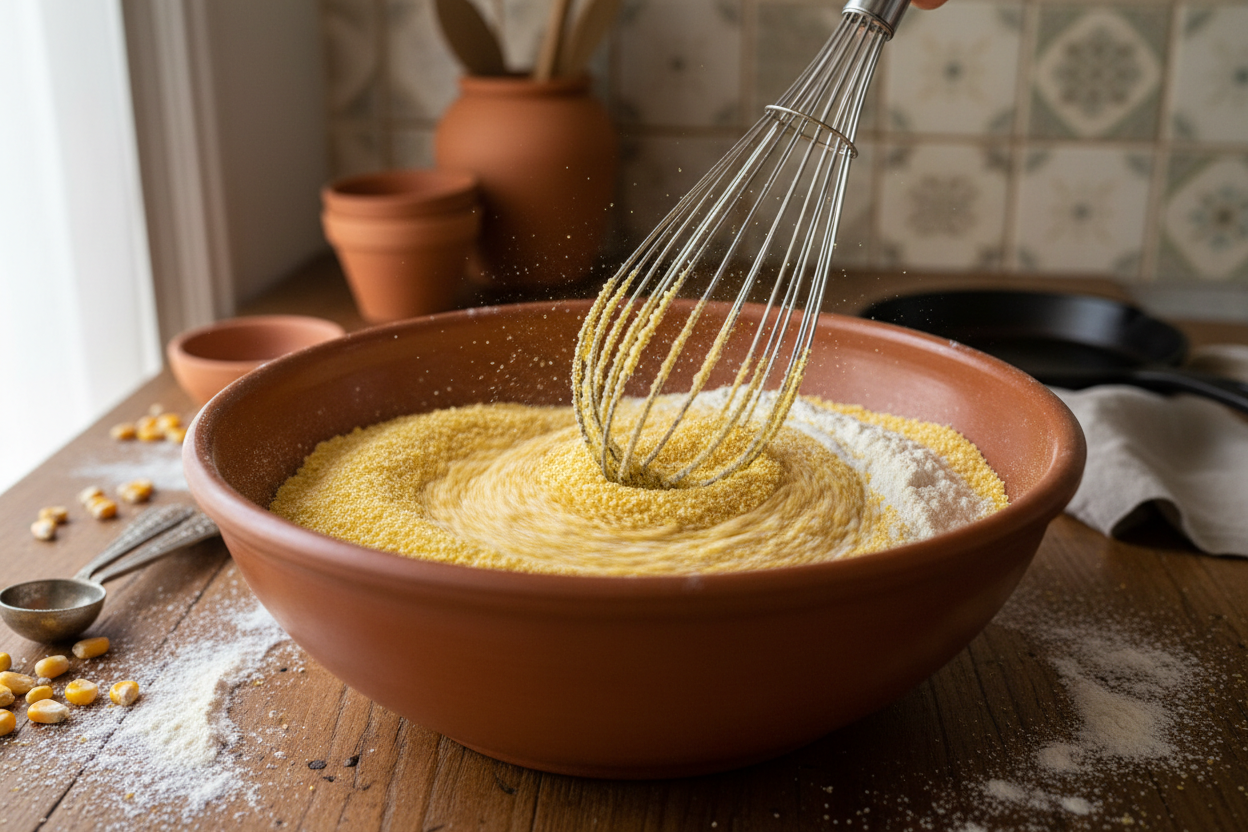
- Combine Dry Ingredients: In a large mixing bowl, whisk together 1 cup of yellow cornmeal, 1 cup of all-purpose flour, 1 tablespoon of baking powder, and 1 teaspoon of salt. Ensure these ingredients are thoroughly combined to distribute the leavening evenly.
- Mix Wet Ingredients: In a separate medium bowl, whisk together 1 cup of buttermilk, 2 large eggs, and 0.25 cup of honey. Add the cooled, thyme-infused brown butter to this mixture, whisking until fully incorporated. The butter should not be hot enough to cook the eggs.
- Combine Wet and Dry Mixtures: Pour the wet ingredient mixture into the bowl containing the dry ingredients. Stir gently with a spatula or wooden spoon until just combined. The batter will be thick and slightly lumpy; avoid overmixing. Overmixing develops gluten, leading to a tough cornbread.
- Bake the Cornbread: Pour the batter into the pre-greased 9-inch cast iron skillet. Spread it evenly to the edges. Transfer the skillet to the preheated oven. Bake for 20 to 25 minutes, or until the top is golden brown and a wooden skewer inserted into the center comes out clean. The timing can vary slightly depending on your oven.
- Cool and Serve: Once baked, carefully remove the skillet from the oven. Let the cornbread cool in the skillet for 10 minutes before slicing and serving. This resting period allows the cornbread to set, making for cleaner slices and preventing it from crumbling.
Pro Tips for a Consistently Moist Texture
The hallmark of truly exceptional cornbread is its tender, moist interior. Achieving this requires attention to a few critical details, ensuring your savory quick bread is never dry or crumbly.
“The secret to a tender cornbread lies in minimal handling of the batter and precise baking times. Overworking the gluten in the flour creates a dense, chewy texture, while overbaking zaps moisture.”
First and foremost, avoid overmixing the batter. Once the wet and dry ingredients are combined, stir only until no streaks of dry flour remain. A few lumps are perfectly acceptable and even desirable. Aggressive mixing develops the gluten in the all-purpose flour, leading to a tough, rubbery crumb rather than the desired tender texture. This principle is fundamental to many quick bread preparations, including this savory cornmeal recipe.
Secondly, monitor the baking time closely. Ovens can vary significantly, so relying solely on the clock without observing visual cues is a common pitfall. Start checking for doneness at the 20-minute mark. Look for a golden-brown top and edges that pull slightly away from the skillet. A wooden skewer inserted into the center should emerge clean, without any wet batter clinging to it. Pulling the cornbread from the oven as soon as it is done preserves its internal moisture. Even a few extra minutes of baking can dry it out. The buttermilk in the recipe contributes significantly to moisture, but careful baking is key to retaining it.
Frequently Asked Questions About Savory Cornbread
Baking cornbread often brings questions about serving and pairing. Here are answers to commonly asked questions.
What can I serve with this dish?
This savory cornbread is incredibly versatile and makes an excellent southern side dish for a variety of meals. Its robust flavor, enhanced by the fresh thyme recipes and brown butter, pairs beautifully with hearty, comforting fare. Consider serving it alongside:
- Hearty Stews: The bread is perfect for soaking up rich, flavorful broths. Think beef stew or a lentil and vegetable stew.
- Roasted Vegetables: A platter of seasonal roasted vegetables, such as carrots, potatoes, or Brussels sprouts, finds a perfect complement in the savory notes of the cornbread.
- Grilled Mains: For barbecues or summer cookouts, this cornbread is an ideal accompaniment to grilled beef, chicken, or firm fish. The smoky flavors from the grill enhance the bread’s earthy profile.
Its unique profile, defined by brown butter baking and the savory kick of fresh thyme, makes it a more sophisticated offering than traditional cornbread, yet it retains all the comforting qualities you expect from a classic. This cast iron skillet bread is designed to elevate any meal it accompanies.
Embrace the comforting tradition and sophisticated flavors of this thyme-infused, brown butter cornbread. Its rich history and straightforward preparation offer a rewarding baking experience. We invite you to explore more of our culinary guides and recipes. Follow our Facebook page for daily inspiration and updates. Follow our Facebook page.
Thyme and Brown Butter Skillet Bread
Ingredients
- 1 cup yellow cornmeal Finely ground
- 1 cup all-purpose flour Sifted
- 1 tbsp baking powder
- 1 tsp salt Kosher salt preferred
- 0.5 cup unsalted butter Plus extra for greasing the skillet
- 1 tbsp fresh thyme Finely chopped
- 1 cup buttermilk Room temperature
- 2 eggs Large, room temperature
- 0.25 cup honey Can substitute with maple syrup
Instructions
- Preheat oven to 400 degrees F (200 degrees C). Grease a 9-inch cast-iron skillet with butter.
- Melt 0.5 cup unsalted butter in a small saucepan over medium heat until browned and nutty. Remove from heat and stir in 1 tbsp fresh thyme. Let cool slightly.
- In a large mixing bowl, whisk together 1 cup yellow cornmeal, 1 cup all-purpose flour, 1 tbsp baking powder, and 1 tsp salt.
- In a separate bowl, whisk 1 cup buttermilk, 2 eggs, 0.25 cup honey, and the slightly cooled thyme-infused brown butter.
- Pour the wet ingredients into the dry mixture. Stir gently until just combined, being careful not to overmix.
- Transfer the batter to the prepared skillet, spreading it evenly. Bake for 20 to 25 minutes until the top is golden and a toothpick inserted into the center comes out clean.
- Allow the skillet bread to cool in the pan for 10 minutes before slicing into wedges and serving warm.
For more daily recipes and tips, follow us on Facebook!
Click here to join our community!