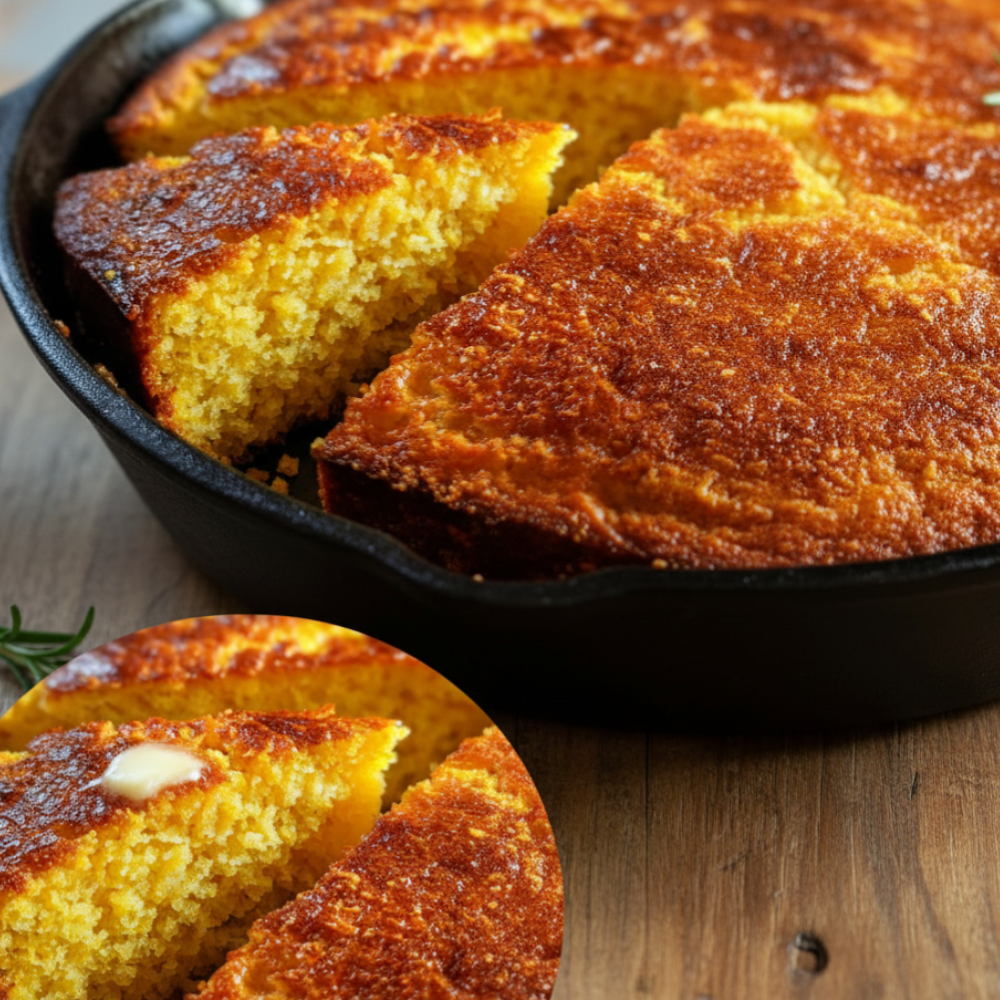
Southern Cornbread embodies the essence of comfort food. This classic homestyle side dish is more than just a baked good; it is a culinary tradition, deeply rooted in the American South. From its humble origins as a staple grain, cornmeal has been transformed into countless dishes. However, none capture the heart quite like a perfectly baked round of Southern Cornbread. The experience begins long before the first bite, with the aroma filling the kitchen and signaling that something truly special is baking.
The heritage of skillet baking is central to achieving authentic Southern Cornbread. Historically, cast iron skillets were the primary cooking vessel in Southern kitchens, providing an unparalleled method for cooking everything from fried chicken to desserts. This durable, heavy pan distributes heat exceptionally well, ensuring an even bake and a consistent product every time. For Southern Cornbread, the cast iron skillet is not merely a convenience; it is an indispensable tool.
Why the cast iron method is essential for a crispy crust cannot be overstated. A well-seasoned cast iron skillet, heated properly before the batter is added, creates a distinct, golden-brown crust that is the hallmark of genuine Southern Cornbread. The initial sizzle of the batter hitting the hot, greased surface immediately begins to form this desirable texture. This crispy exterior perfectly contrasts with the tender, moist interior, providing a satisfying mouthfeel with every piece. Without the cast iron, achieving this characteristic crispy crust baking is incredibly difficult, if not impossible.
Key Ingredients for Homestyle Skillet Bread
Crafting the perfect Southern Cornbread begins with understanding its core components. Each ingredient plays a vital role in developing the final texture and flavor profile of this traditional unleavened bread.
Stone-ground vs. regular cornmeal. The type of cornmeal chosen significantly impacts the final product. Stone-ground cornmeal is coarsely ground, retaining more of the corn’s germ and bran. This gives the Southern Cornbread a richer, more pronounced corn flavor and a slightly coarser, more rustic texture. Regular cornmeal, often degerminated, is finer and produces a lighter, sometimes less flavorful bread. For an authentic, robust taste, stone-ground cornmeal is the preferred choice, delivering that true homestyle feel. You will need 2 cups of quality cornmeal for this recipe.
The role of buttermilk for a tender crumb. Buttermilk is another non-negotiable ingredient in authentic Southern Cornbread. Its acidity reacts with the baking soda, creating carbon dioxide bubbles that give the bread its rise and tender crumb. Beyond leavening, buttermilk imparts a subtle tanginess that balances the richness of the cornmeal and fat. It also contributes to a moister, more tender interior. For our classic recipe, 1.5 cups of buttermilk are essential.
Beef tallow skillet greasing. Traditionally, the pan was liberally greased with rendered animal fat. For this recipe, we utilize beef tallow for its superior heat tolerance and flavor contribution. Beef tallow provides a high smoke point, preventing burning at high temperatures, and imparts a subtle, savory depth to the crust. Greasing the cast iron skillet with beef tallow ensures the bread does not stick and contributes significantly to the desirable crispy crust. This crucial step prepares the skillet for its transformative role.
Step-by-Step Instructions
Follow these steps precisely to achieve perfect Southern Cornbread. Attention to detail, especially regarding temperature and mixing, will yield the best results.
- Preheat the Oven and Skillet: Place a 10-inch cast iron skillet in your oven and preheat to 400F (200C). Allow the skillet to heat for at least 15-20 minutes, ensuring it is very hot. This initial heating is critical for achieving a crispy crust.
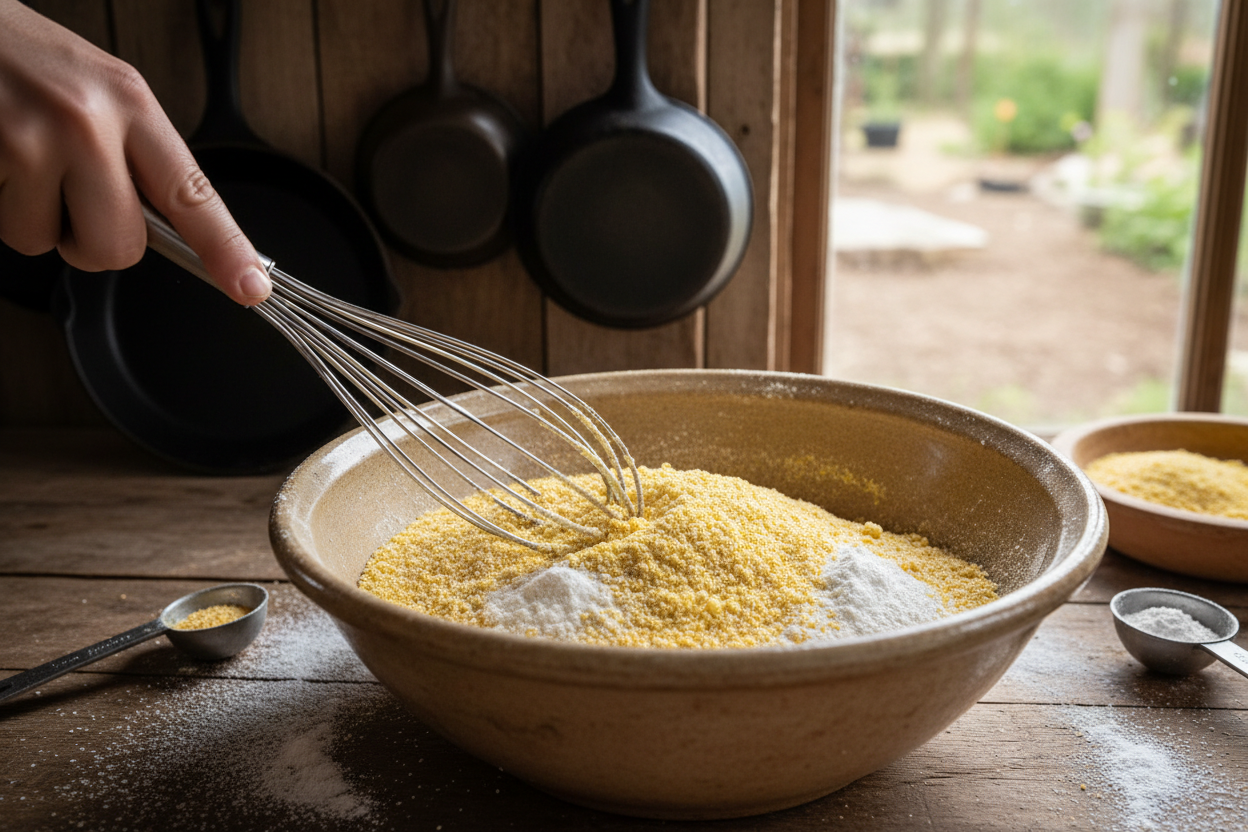
- Prepare Dry Ingredients: In a large mixing bowl, combine 2 cups of stone-ground cornmeal, 1 teaspoon of salt, 1/2 teaspoon of baking soda, and 1 teaspoon of baking powder. Whisk these dry ingredients together thoroughly to ensure even distribution of the leavening agents.
- Prepare Wet Ingredients: In a separate medium bowl, whisk together 1.5 cups of buttermilk and 2 large eggs until well combined. The buttermilk cornmeal batter should be smooth and uniform.
- Combine Ingredients: Pour the wet ingredients into the dry ingredients. Mix until just combined. The batter will be thick and slightly lumpy. Do not overmix. A few lumps are perfectly acceptable and indicate you have not overdeveloped the gluten in the cornmeal, which can lead to a tough product.
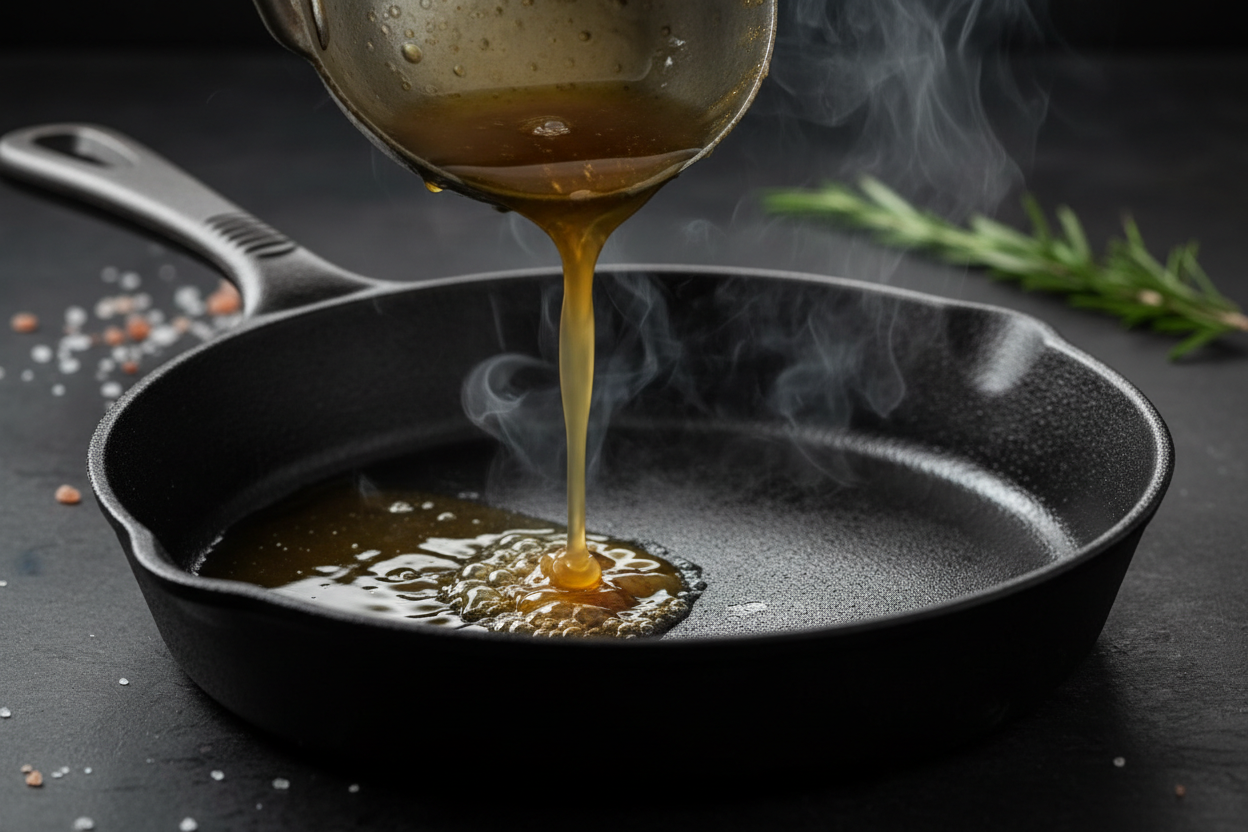
- Grease the Hot Skillet: Carefully remove the smoking hot cast iron skillet from the oven using oven mitts. Add a generous tablespoon of beef tallow to the hot skillet. Swirl the tallow around to coat the bottom and sides completely. The tallow should melt and sizzle immediately. Ensure the entire surface is well-greased for proper release and optimal crispy crust baking.
- Pour and Bake: Immediately pour the buttermilk cornmeal batter into the hot, greased skillet. The batter should sizzle as it hits the pan. Spread it evenly with a spatula if necessary, but avoid excessive manipulation.
- Bake: Return the skillet to the preheated 400F oven and bake for 20-25 minutes, or until the top is golden brown and a wooden skewer inserted into the center comes out clean. The edges should appear dark and crispy.
- Cool and Serve: Once baked, carefully remove the skillet from the oven. Let the Southern Cornbread cool in the skillet for a few minutes before inverting it onto a cutting board. Cut into wedges and serve warm.
Expert Tips for the Best Results
Achieving truly exceptional Southern Cornbread involves more than just following the steps; it requires understanding key principles.
“The secret to a perfectly tender Southern Cornbread with that essential crispy crust lies in two critical elements: minimal mixing and a super-hot, well-greased cast iron skillet. Respect these, and success is guaranteed.”
Do not overmix the batter. Overmixing develops gluten in the cornmeal and can lead to a tough, dense Southern Cornbread. Mix only until the dry and wet ingredients are just combined. A slightly lumpy batter is ideal. This preserves the tender crumb.
Ensuring the pan is smoking hot before pouring. This is perhaps the most crucial step for the signature crispy crust. The high heat of the skillet creates an immediate searing effect on the batter, locking in moisture and forming that coveted golden-brown, crunchy exterior. Do not rush this step. Allow your cast iron skillet ample time to reach the proper temperature in the oven. The beef tallow should sizzle vigorously when added, confirming the pan is ready. This is the foundation for an excellent cast iron skillet bread.
Serving Suggestions
Southern Cornbread is a versatile classic homestyle side dish that complements a wide array of meals. Its robust flavor and satisfying texture make it an ideal accompaniment.
* Pairing with chili, stews, or hearty roasts. Southern Cornbread is a natural partner for warming, savory dishes. Its slightly coarse texture is perfect for soaking up the rich broths of chili or beef stew. It also provides a rustic contrast to tender, slow-cooked roasts. For a complete meal, serve it alongside your favorite slow-cooked greens or black-eyed peas.
* Enjoy it plain: Sometimes, the best way to enjoy Southern Cornbread is simply with a pat of butter, savoring its inherent flavor and texture.
* Storing and reheating leftovers. Store any leftover Southern Cornbread in an airtight container at room temperature for up to 2 days, or in the refrigerator for up to 4 days. To reheat, wrap individual slices in foil and warm them in a 350F (175C) oven for about 10-15 minutes, or until heated through. For a quicker option, a toaster oven can also restore some of its crispiness. Avoid microwaving, as it can make the bread rubbery.
Frequently Asked Questions
Even with a straightforward recipe, questions often arise. Here are answers to some common inquiries about Southern Cornbread.
Can I add sugar? The tradition of sweetening Southern Cornbread is a point of regional debate. True traditional unleavened bread, particularly in the Deep South, often contains no sugar, allowing the natural sweetness of the cornmeal to shine. However, in other regions, a small amount of sugar (typically 1-2 tablespoons) is sometimes added for a slightly sweeter profile. This is entirely a matter of personal preference. If you prefer a sweeter cornbread, you may consider adding a minimal amount to the dry ingredients, but be aware this deviates from the most traditional approach.
What if I lack buttermilk? If you do not have buttermilk on hand, you can create a suitable substitute. For 1.5 cups of buttermilk, measure out 1.5 cups of regular milk (whole or 2% works best). Remove 1.5 tablespoons of milk and replace it with 1.5 tablespoons of white vinegar or lemon juice. Stir gently and let it sit for 5-10 minutes until it slightly curdles. This acidified milk will function similarly to buttermilk, providing the necessary acidity for the baking soda to react. While not identical, it is an effective stand-in for achieving a tender crumb in your buttermilk cornmeal batter.
Conclusion
Making authentic Southern Cornbread is a rewarding experience, connecting you to a rich culinary heritage. By focusing on quality stone-ground cornmeal, the essential role of buttermilk, and the transformative power of a hot, beef tallow-greased cast iron skillet, you can achieve a classic homestyle side dish that rivals any grandmother’s recipe. The crispy crust baking, combined with a tender, flavorful interior, makes this Southern Cornbread a true comfort. Embrace the simplicity and tradition, and you will be rewarded with a delicious, satisfying bread that perfectly complements any meal.
For more homestyle recipes and cooking tips, follow our culinary adventures. We share regular updates and behind-the-scenes glimpses into our kitchen.
Follow us on Facebook for more delicious recipes!
Traditional Skillet Cornmeal Bread
Ingredients
- 2 cup Yellow cornmeal Stone-ground preferred
- 1 tsp Salt
- 0.5 tsp Baking soda
- 1 tsp Baking powder
- 1.5 cup Buttermilk Room temperature
- 2 large Eggs Lightly beaten
- 3 tbsp Beef tallow Used instead of pork drippings
Instructions
- Place a 10-inch cast iron skillet in the oven and preheat to 400F.
- Whisk together the cornmeal, salt, baking soda, and baking powder in a large mixing bowl.
- In a separate bowl, whisk the buttermilk and eggs.
- Remove the hot skillet from the oven, add the beef tallow, and swirl to coat the pan. Pour the excess into the buttermilk mixture.
- Pour the wet ingredients into the dry ingredients and stir just until combined.
- Pour the batter into the hot skillet and bake for 20 to 25 minutes until golden brown.
For more daily recipes and tips, follow us on Facebook!
Click here to join our community!