Introduction
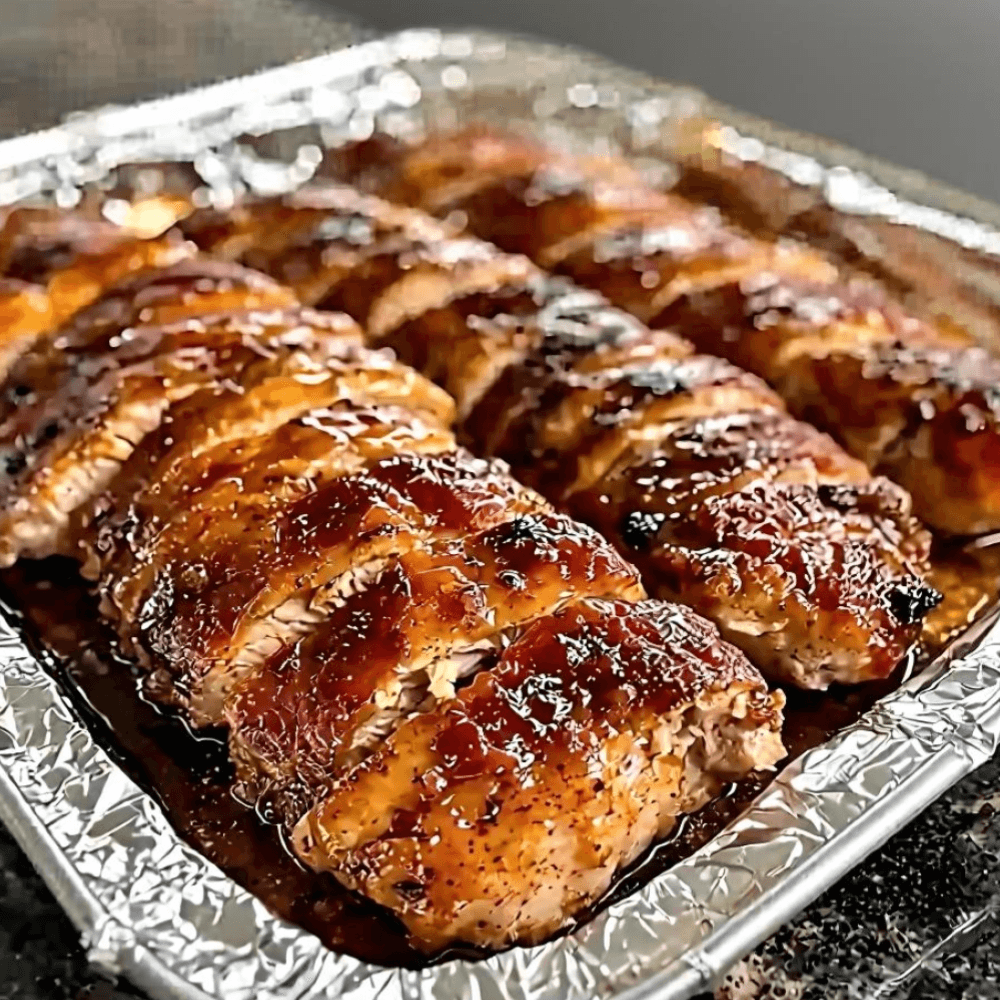
There are few dishes that command the same level of awe and appreciation as a perfectly prepared beef tenderloin. Its inherent tenderness and delicate flavor make it the quintessential choice for holiday gatherings, special celebrations, or any occasion where you want to impress. While delicious on its own, a well-crafted glaze can elevate this noble cut to extraordinary heights, transforming it into a truly unforgettable Glazed Beef Tenderloin.
The mild, buttery notes of a premium filet mignon roast truly shine when paired with a thoughtful sweet and savory beef glaze. This creates a symphony of flavors that complements, rather than overwhelms, the star of your plate. Forget complicated preparations; our roasted beef tenderloin recipe focuses on a straightforward yet sophisticated approach that combines initial searing with a gradual oven roasting method, ensuring a succulent, melt-in-your-mouth experience every time.
Choosing the Best Beef Tenderloin
The journey to an exceptional Glazed Beef Tenderloin begins with selecting the right cut. Beef tenderloin, also known as filet mignon when cut into individual steaks, is renowned for its incredible tenderness. However, quality and preparation at the butcher counter can significantly impact your final dish.
Trimmed vs. Untrimmed
When purchasing, you’ll often encounter options for trimmed or untrimmed tenderloin. An untrimmed tenderloin typically includes the “chain” – a loose, fatty muscle attached to the side – and a tough, silvery membrane called the “silverskin.” While buying untrimmed can sometimes be more economical, it requires significant effort to clean and trim properly. The silverskin, if not removed, will contract during cooking, making the meat tough and unpleasant to chew.
For ease and optimal results, we highly recommend investing in a center-cut beef tenderloin. This portion, often referred to as the Chateaubriand, is the most uniform in thickness, ensuring even cooking from end to end. A butcher-trimmed center cut will be free of the chain and silverskin, saving you valuable prep time and guaranteeing a beautiful, consistent roast. This foundational choice sets the stage for a perfect whole filet mignon roast ready for your signature glaze.
The Perfect Sweet & Savory Glaze
The glaze is where our Glazed Beef Tenderloin truly comes alive, transforming a simple roast into a culinary masterpiece. A truly exceptional glaze strikes a delicate balance between different flavor profiles – acidity, sweetness, and umami – to create a coating that both caramelizes beautifully and infuses the meat with incredible depth.
Our recommended glaze starts with a robust foundation of balsamic vinegar. Its tangy, complex notes provide essential acidity, cutting through the richness of the beef and preventing the glaze from being overly sweet. To balance this, we introduce natural sweetness from either brown sugar or honey. These not only provide a lovely counterpoint to the balsamic but also contribute to that desirable caramelized exterior.
For an indispensable layer of umami depth, soy sauce is key. It adds a savory, salty kick that rounds out the flavor profile and helps create a richer, more complex finish. Don’t underestimate its power to elevate the overall taste. To personalize your sweet and savory beef glaze, consider infusing it with fresh herbs like finely minced rosemary or thyme. These aromatics add another dimension, making your holiday beef roast even more special.
The key to a successful balsamic glazed beef is to reduce the mixture slowly, allowing the flavors to meld and the glaze to thicken to a syrupy consistency. This concentration of flavor ensures that every brushstroke delivers maximum impact to your tenderloin.
Step-by-Step Cooking Guide
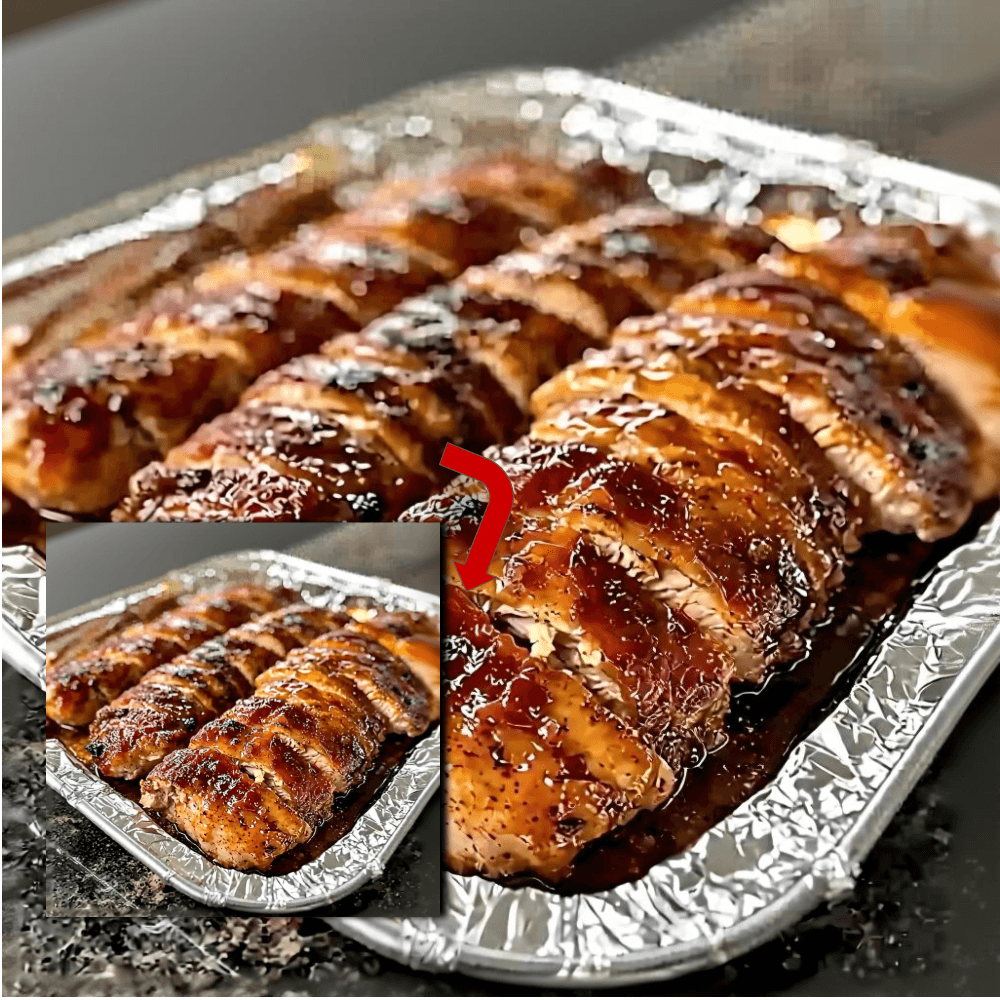
Mastering the art of cooking beef tenderloin is simpler than you might think, especially when you follow a clear, step-by-step process. Our goal is to achieve a uniformly cooked, juicy interior with that stunning, caramelized exterior provided by the glaze.
Preparing the Meat
- Bring to Room Temperature: For even cooking, remove the beef tenderloin from the refrigerator at least an hour before you plan to cook it.
- Tie the Roast: If your tenderloin isn’t uniformly thick, use kitchen twine to tie it at 1-inch intervals. This ensures consistent shape, promoting even cooking. You don’t want thinner ends overcooking while the thicker middle is still rare.
- Season Generously: Pat the tenderloin dry with paper towels – this is crucial for a good sear. Then, season liberally with coarse salt and freshly cracked black pepper. Don’t be shy; tenderloin can handle robust seasoning.
Searing and Roasting
The debate between reverse sear and traditional roast is ongoing, but for a Glazed Beef Tenderloin, we often recommend an initial high-heat sear followed by a gradual oven roast. This method develops a beautiful crust quickly before the glaze is applied and further caramelizes in the oven.
- Preheat Oven & Pan: Preheat your oven to 400°F (200°C). Place an oven-safe skillet (cast iron works beautifully) in the oven as it preheats. Getting the pan screaming hot ensures an excellent sear.
- Sear the Tenderloin: Carefully remove the hot pan from the oven. Add a tablespoon or two of high-smoke point oil (like grapeseed or avocado oil). Once shimmering, carefully place the seasoned beef tenderloin in the pan. Sear for 2-3 minutes per side until a deep brown crust forms all around.
- Apply the Glaze & Roast: Once seared, brush a generous layer of your prepared sweet and savory beef glaze over the entire tenderloin. Return the pan to the preheated oven.
- Oven Roasting & Re-Glazing: Continue roasting, brushing with more glaze every 10-15 minutes, until the desired internal temperature is reached. This gradual application and caramelization define an exceptional oven roasted beef tenderloin. The total tenderloin cooking time will vary based on the size of your roast and desired doneness.
- Rest the Meat: This is perhaps the most critical step. Once cooked, remove the tenderloin from the oven, transfer it to a cutting board, and tent loosely with foil. Let it rest for at least 15-20 minutes. This allows the juices to redistribute, ensuring a tender, moist, and flavorful roast. Skipping this step will result in juices running out when you slice, leaving your beef dry.
Temperature Guide for Doneness
Achieving the perfect doneness is key to a succulent tenderloin. Always use a reliable meat thermometer inserted into the thickest part of the roast, avoiding bone or fat. Remember, the internal temperature will rise by 5-10 degrees while resting.
“For the most tender and juicy results, aim for medium-rare. It offers the perfect balance of texture and flavor that truly lets the beef shine.”
- Rare: 120°F – 125°F (remove from oven at 115-120°F)
- Medium-Rare: 130°F – 135°F (remove from oven at 125-130°F) – Recommended!
- Medium: 140°F – 145°F (remove from oven at 135-140°F)
Understanding the proper beef tenderloin internal temperature is your secret weapon for consistently perfect results when preparing any roasted beef tenderloin recipe.
Serving Suggestions
A show-stopping Glazed Beef Tenderloin deserves equally impressive accompaniments. The richness of the beef and the complexity of the glaze pair beautifully with a variety of side dishes, making it an ideal centerpiece for any holiday beef roast.
- Classic Pairings: Creamy mashed potatoes or a velvety potato gratin are perfect for soaking up any lingering glaze. Roasted asparagus, green beans almondine, or honey-glazed carrots add vibrant color and a fresh, slightly crisp counterpoint.
- Elegant Additions: Consider a wild rice pilaf, a mushroom risotto, or even a simple side salad with a light vinaigrette to round out the meal without overpowering the main event.
For wine lovers, a robust red wine is the natural complement. A bold Cabernet Sauvignon with its blackcurrant notes and firm tannins will stand up beautifully to the rich beef. Alternatively, a softer, fruit-forward Merlot can also be a delightful pairing, offering a smoother finish that complements the sweet and savory elements of the glaze.
Frequently Asked Questions (FAQ)
Can I make the glaze ahead of time?
Absolutely! Preparing your sweet and savory beef glaze a day or two in advance is a fantastic time-saver, especially for a holiday beef roast. Simply prepare the glaze as instructed, allow it to cool completely, and store it in an airtight container in the refrigerator. When you’re ready to use it, gently reheat it over low heat on the stovetop or in the microwave until it reaches a brushable consistency. This helps streamline your cooking process on the main day.
How do I reheat leftovers without overcooking?
Reheating beef tenderloin can be tricky, as overcooking will dry it out. The best method for preserving moisture and tenderness is to slice the leftover tenderloin into individual portions. Place them in a baking dish with a splash of beef broth or water, cover tightly with foil, and reheat gently in a preheated oven at 250°F (120°C) until just warmed through. Avoid high heat or prolonged reheating. Alternatively, thinly sliced leftovers are excellent served cold in sandwiches or salads.
Should I sear the beef before roasting?
Yes, searing the beef tenderloin before roasting is highly recommended, especially for a Glazed Beef Tenderloin. This initial high-heat sear creates a beautiful, flavorful crust through the Maillard reaction. This caramelization adds a significant depth of flavor and texture that you wouldn’t achieve with roasting alone. It also helps to lock in juices, contributing to a more succulent final product. While a reverse sear (roasting first, then searing) is an option, searing first is often preferred when applying a glaze during the roasting process, as it allows the glaze to adhere and caramelize effectively without burning.
Sweet & Savory Glazed Beef Tenderloin
Ingredients
- 3 lbs Beef Tenderloin Center-cut, trimmed of silverskin and tied
- 2 tbsp Olive Oil For rubbing
- 1 tbsp Kosher Salt Coarse
- 2 tbsp Black Pepper Coarsely cracked or freshly ground
- 1/3 cup Balsamic Vinegar For the glaze
- 1/4 cup Soy Sauce Low sodium preferred
- 3 tbsp Brown Sugar Packed
- 3 cloves Garlic Minced
- 1 tbsp Dijon Mustard Optional, for depth
Instructions
- Remove the beef tenderloin from the refrigerator 1 hour before cooking to let it come to room temperature. Preheat oven to 425°F (220°C).
- Pat the beef dry with paper towels. Rub all over with olive oil, then season generously with the kosher salt and coarse black pepper, pressing the pepper into the meat.
- In a small saucepan over medium heat, combine balsamic vinegar, soy sauce, brown sugar, minced garlic, and Dijon mustard. Simmer for 5-7 minutes until the mixture thickens into a syrup-like glaze. Set aside.
- Place the beef on a rack in a roasting pan. Roast in the preheated oven for approximately 15 minutes.
- Remove the roast briefly and brush generously with half of the glaze. Return to the oven and roast for another 15-20 minutes, or until an instant-read thermometer inserted into the thickest part reads 125°F for medium-rare.
- Brush the remaining glaze over the beef during the last 5 minutes of cooking if desired, or reserve it for serving.
- Transfer the beef to a cutting board and tent loosely with foil. Let it rest for at least 15 minutes to allow juices to redistribute.
- Slice into thick medallions and serve warm.
For more daily recipes and tips, follow us on Facebook!
Click here to join our community!