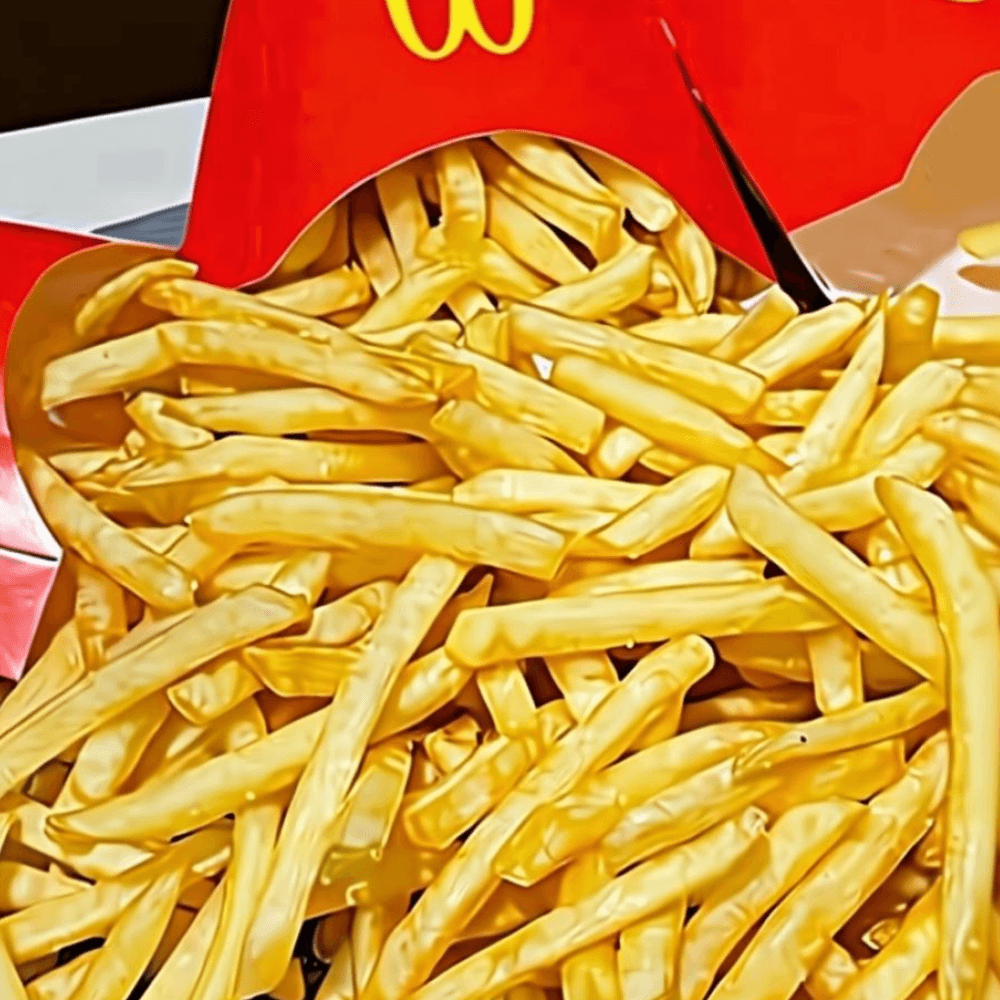
There’s a reason the aroma of perfectly golden-brown McDonald’s fries is instantly recognizable, a siren call that has captivated taste buds worldwide for decades. It’s more than just a snack; it’s a global phenomenon, a benchmark against which all other french fries are judged. We’ve all tried to recreate that magic at home, only to be met with disappointment – soggy spuds, uneven browning, or a flavor that just doesn’t hit the mark. The elusive combination of crispy exterior and fluffy interior, that unmistakable savory taste, seems impossible to replicate. Until now.
Today, we’re pulling back the curtain on the closely guarded secrets behind those legendary spuds. Forget everything you thought you knew about making french fries, because we’re about to embark on a culinary journey to craft the ultimate McDonald’s french fries copycat, bringing the true taste of your favorite fast-food treat right into your kitchen.
The Secret History: Tallow vs. Vegetable Oil
To truly understand the unique flavor profile of McDonald’s fries, we must journey back in time. For decades, the secret to their irresistible taste lay in a specific cooking fat: beef tallow. Fried in pure beef tallow, the potatoes developed an unparalleled richness and depth of flavor that became iconic. This tradition, however, famously changed in 1990 when public health concerns led to a switch to a blend of vegetable oils.
While the modern vegetable oil blend still delivers a delicious fry, many connoisseurs argue that the switch altered the fundamental character of the fries. The solution? For those seeking to recreate the legendary “Old School” flavor profile, embracing beef tallow fries at home is paramount. Even with the move to vegetable oil, McDonald’s found a way to maintain a hint of that signature taste by adding “natural beef flavor” (which, for clarity, does not contain beef but is derived from wheat and milk to mimic the tallow profile) to their potato processing. Our homemade version, however, will lean into the authentic, savory goodness that only real beef tallow can provide.
Key Ingredients for Authenticity
The Potato
The foundation of any great fry begins with the right potato, and for achieving the ultimate McDonald’s fries, there’s one clear winner: the Russet Burbank potato. These aren’t just any spuds; Russets are prized for their high starch content and low moisture. This perfect combination is crucial because it allows the potato to cook up fluffy on the inside and incredibly crisp on the outside. Their elongated shape also lends itself perfectly to classic shoestring cuts. Trying to use waxy or lower-starch varieties will inevitably lead to soggy, uninspiring fries.
The Brine
This is where science meets culinary art. To replicate the distinct texture and gorgeous golden hue of McDonald’s fries, a precise brining solution is essential. Our brine will consist of water, a touch of sugar (dextrose, specifically, if you can find it, but regular granulated sugar works well), and a splash of white vinegar. The sugar plays a vital role in the Maillard reaction, a complex chemical process responsible for browning and flavor development. It ensures your fries achieve that appealing golden color without overcooking the interior. The vinegar, on the other hand, helps to prevent the potatoes from becoming too starchy and sticky, contributing to a crisper final product by inhibiting pectin breakdown.
The Fat
As discussed, the choice of frying fat is non-negotiable for true authenticity. Beef tallow is the undisputed king here, imparting that deep, savory umami flavor that many associate with the original McDonald’s fries. Its high smoke point also makes it ideal for the high temperatures required for frying. If beef tallow is absolutely unavailable or you prefer a lighter flavor, a neutral oil with a high smoke point like peanut oil, canola oil, or refined sunflower oil can be used. However, be aware that you will miss out on a significant part of the iconic flavor profile. For the truest experience, invest in good quality beef tallow.
Step-by-Step Cooking Technique
Mastering these steps is key to unlocking the secrets of truly crispy shoestring fries, mirroring the professional double fry method used in commercial kitchens.
1. Prep and The Soak
- Begin by peeling your Russet potatoes. Using a sharp chef’s knife or a mandoline (with caution!), cut them into uniform 1/4-inch by 1/4-inch shoestring strips. Consistency is crucial for even cooking.
- Immediately transfer the cut potatoes to a large bowl filled with cold water. This initial soak helps to rinse away surface starch, preventing them from sticking together.
- Prepare your brine: In a separate large bowl or pot, combine 8 cups of cold water with 2 tablespoons of sugar (or dextrose) and 1 tablespoon of white vinegar. Stir until the sugar dissolves.
- Drain the potatoes from their initial cold water rinse and transfer them to the brine solution. Ensure they are fully submerged.
- Soak the potatoes in the brine for at least 30 minutes, or up to 2 hours. This step is critical for developing the right texture and color.
- After soaking, drain the potatoes thoroughly. This is perhaps the most important pre-frying step: lay them out in a single layer on clean kitchen towels or paper towels. Pat them vigorously until they are as dry as possible. Any excess moisture will lead to steaming rather than crisping, and can also cause dangerous oil splattering.
2. The Par-Fry (First Fry)
- Pour your beef tallow (or neutral oil) into a heavy-bottomed pot or Dutch oven, filling it about one-third full. Heat the oil to 325°F (163°C). Use a deep-fry thermometer for accuracy.
- Working in small batches to avoid overcrowding, carefully lower a handful of dried potato strips into the hot oil. Overcrowding will drop the oil temperature too quickly and result in greasy, limp fries.
- Fry for approximately 4-6 minutes, or until the fries are cooked through but remain pale and soft, with no browning whatsoever. They should be pliable and translucent. The goal here is to cook the interior of the potato without developing a crust.
- Using a spider strainer or slotted spoon, remove the par-fried potatoes from the oil and transfer them to a wire rack set over a baking sheet. This allows excess oil to drain. Do not stack them; let them cool in a single layer.
- Repeat with the remaining batches of potatoes.
3. The Big Freeze
This is the game-changing step for achieving ultimate crispness, often overlooked in homemade fast food recipes. Once all the potatoes are par-fried and have cooled slightly on the rack, transfer them to a freezer-safe baking sheet lined with parchment paper, ensuring they are in a single layer and not touching. Place the baking sheet in the freezer for at least 30 minutes, but ideally 1-2 hours, or even overnight. Freezing causes the water inside the potato cells to expand, creating tiny ice crystals that rupture the cell walls. When fried a second time, these ruptured cells lead to an incredibly light, airy, and ultra-crisp interior, making these truly golden french fries secrets worth knowing.
4. The Final Fry (Second Fry)
- Once your fries are frozen solid, increase the oil temperature to 375°F (190°C).
- Carefully add the frozen par-fried potatoes to the hot oil in small batches. They will sizzle immediately.
- Fry for 2-4 minutes, stirring occasionally, until they turn a beautiful, consistent golden brown and develop that signature glass-like, crispy exterior. This is where the magic happens!
- Remove the fries from the oil with a spider strainer and immediately transfer them to a fresh wire rack set over a baking sheet lined with paper towels (the paper towels will absorb excess oil that drains from the rack).
- Season liberally and immediately with fine sea salt while they are still hot. For an authentic touch, you can also sprinkle them with a homemade McDonald’s fry seasoning blend of salt, a pinch of sugar, and a dash of onion or garlic powder.
- Serve immediately and enjoy your perfectly replicated McDonald’s fries!
Troubleshooting Common Issues
Don’t let a minor setback derail your quest for perfect homemade fast food fries. Here are solutions to common problems:
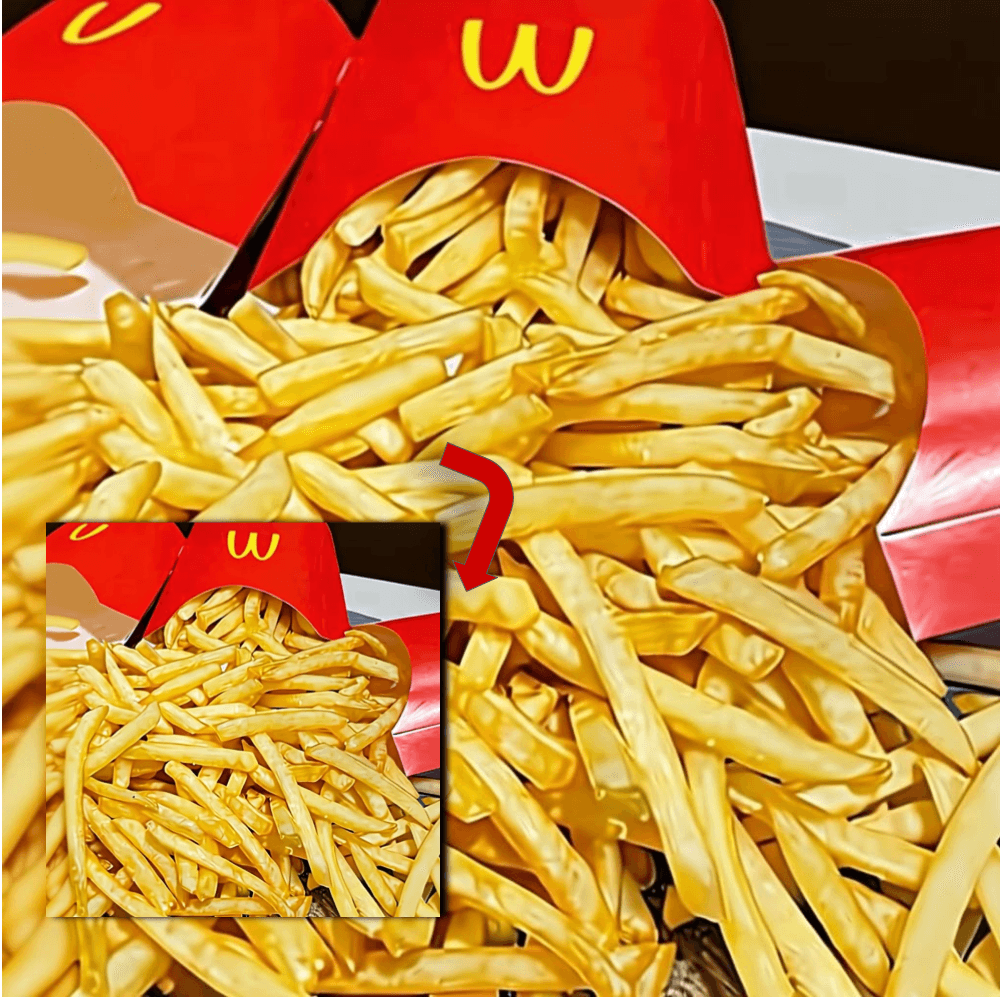
Why are my fries soggy? This is usually due to one of three reasons: not drying the potatoes thoroughly enough after soaking, overcrowding the oil during frying (which drops the temperature), or not frying at a high enough temperature during the final fry. Ensure your potatoes are bone-dry before the first fry, always fry in small batches, and maintain accurate oil temperatures with a thermometer.
Why did they burn too quickly? This often happens if your oil temperature is too high during either the par-fry or the final fry, or if your brine contained too much sugar. Too much sugar accelerates browning. Always use a reliable thermometer to monitor oil temperature closely, and stick to the recommended brine ratios.
Adjusting for air fryers (modifications): While an air fryer won’t fully replicate the deep-fried texture, you can still get decent results from your par-fried and frozen potatoes. Lightly toss the frozen fries with a tablespoon of beef tallow (melted) or a neutral oil, then air fry at 380°F (195°C) for 12-18 minutes, shaking the basket every 5 minutes, until golden and crisp. The “Big Freeze” step is still highly beneficial for air-fried fries.
FAQ
For those looking for quick answers on their journey to perfect McDonald’s french fries copycat:
Can I use other potato types? While you can technically use other potatoes, for true McDonald’s fries authenticity and optimal crispness, Russet Burbank potatoes are highly recommended. Their high starch content is unmatched for this recipe.
How long can I keep them frozen? After the par-fry and freeze, your fries can be stored in an airtight freezer bag for up to 2-3 months. This makes them an excellent make-ahead option for quick “fast food” at home.
Is beef tallow necessary? For the most authentic, rich, and savory “Old School” flavor of McDonald’s fries, yes, beef tallow is highly recommended. You can use a neutral oil as an alternative, but the distinctive taste will be different. The flavor profile of beef tallow fries is simply unparalleled.
With these comprehensive secrets and techniques, you’re now equipped to create truly spectacular McDonald’s fries right in your own kitchen. The crispy exterior, the fluffy interior, and that unmistakable savory flavor will transport you straight back to your favorite fast-food experience. It’s a labor of love, but the payoff is a batch of homemade french fries that rivals, and perhaps even surpasses, the original.
Did you master the ultimate crispy shoestring fries? Share your golden creations with us! Follow our page for more mouth-watering recipes and culinary adventures. You can find us at https://www.facebook.com/profile.php?id=61568538666337. We can’t wait to see your results!
Authentic McDonald's Style Fries (Copycat)
Ingredients
- 2 lbs Russet potatoes Large, peeled
- 4 cups Beef tallow For frying (can substitute with neutral vegetable oil for modern version)
- 1/4 cup Corn syrup Or white sugar; aids in golden browning
- 2 tbsp White vinegar Helps potatoes hold their shape
- 1 tbsp Fine sea salt To taste
- 4 cups Water Hot, for the brine mixture
Instructions
- Peel the potatoes and cut them into 1/4-inch shoestrings using a mandate or sharp knife.
- Soak the cut potatoes in a large bowl of cold water for at least 1 hour to remove surface starch.
- In a separate bowl, mix the hot water, corn syrup (or sugar), and vinegar until dissolved. Drain the cold water from the potatoes and submerge them in this brine for 15 minutes.
- Remove potatoes from the brine and dry them thoroughly with paper towels. Moisture is the enemy of crispiness.
- Heat the beef tallow (or oil) in a deep fryer or Dutch oven to 300°F (150°C).
- Working in batches, par-fry the potatoes for 60 to 90 seconds. They should be soft and limp but strictly not browned.
- Remove fries and drain on a wire rack. Let them cool, then arrange in a single layer on a baking sheet and freeze for at least 2 hours (or overnight).
- Heat the fat to 400°F (205°C). Fry the frozen potatoes in batches for 3 to 4 minutes, or until golden brown and crispy.
- Transfer immediately to a bowl lined with paper towels and toss with fine sea salt while hot.
For more daily recipes and tips, follow us on Facebook!
Click here to join our community!