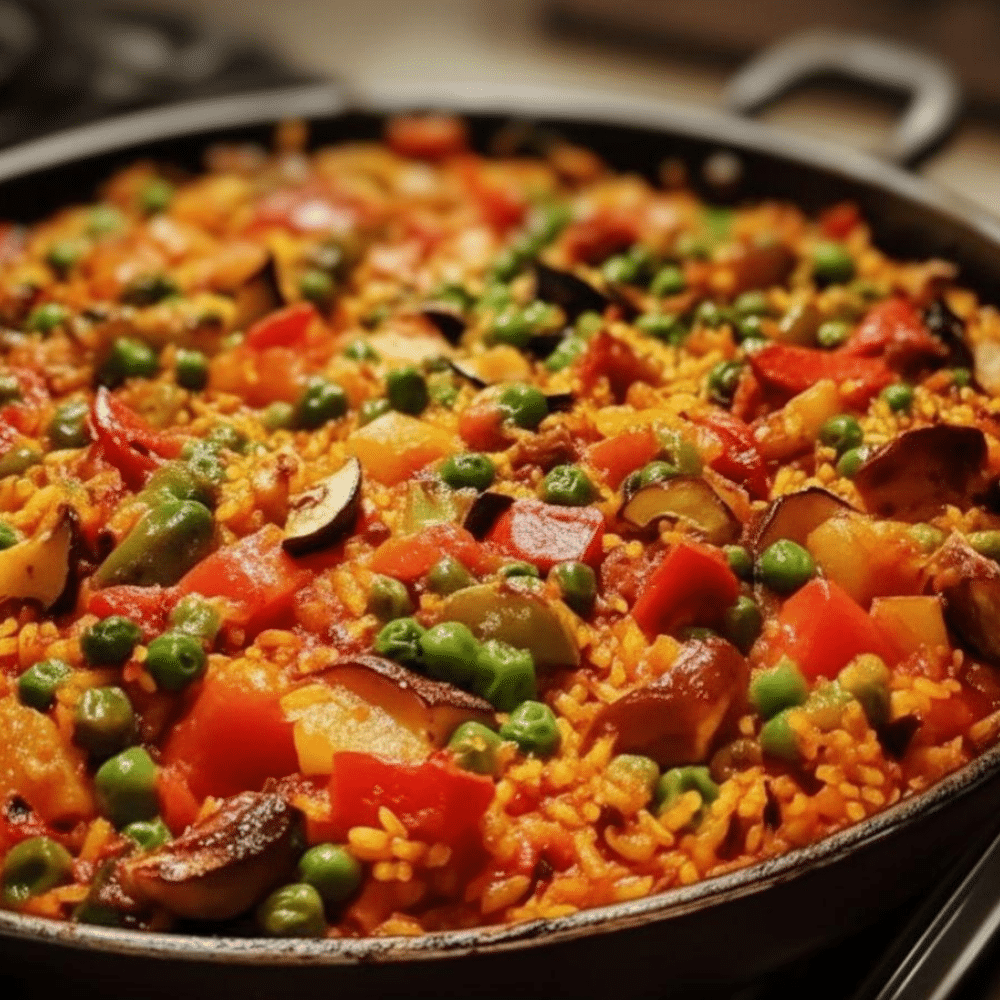
Welcome, fellow food lovers! Today, we’re diving into a dish that’s as vibrant as a Spanish sunset and as comforting as a warm embrace: Spanish Vegetable Paella. Forget everything you thought you knew about traditional paella; this authentic vegan paella recipe brings all the rich flavors and textures to the forefront, proving that a truly satisfying meal doesn’t need meat to be magnificent.
Often considered the national dish of Spain, paella is a celebration of communal eating, fresh ingredients, and the simple joy of sharing a meal cooked with love. Our plant-based paella is not just an alternative; it’s a stellar dish in its own right, bursting with aromatic saffron rice, tender vegetables, and that irresistible crispy bottom layer, the socarrat.
Introduction to Authentic Spanish Paella
Paella is more than just a rice dish; it’s a culinary experience steeped in history and culture. Originating from the Valencia region of Spain, its name is believed to come from the Old French word paelle for pan, which in turn comes from the Latin patella. Over centuries, this humble meal, often cooked outdoors over an open fire, has evolved from a farmer’s lunch into a global icon of Spanish cuisine. While it’s famously known for seafood or various meats, the vegetarian paella recipe captures the soul of the dish with an abundance of fresh, seasonal produce.
Preparing a truly authentic version of this Spanish rice dish is about embracing patience and process. From building the fragrant sofrito base to patiently waiting for the distinctive crispy bottom, every step contributes to a symphony of flavors that will transport your taste buds straight to the heart of Spain. This isn’t just a meal; it’s an invitation to savor the moment.
The Origins: A Brief History of Paella
The story of paella began in the Albufera lagoon region of Valencia, where farm laborers would cook rice with whatever was available around them. This often included local vegetables, snails, and water fowl. As the dish spread, it adapted to regional ingredients, giving rise to countless variations. What remained constant was the method: cooking rice in a wide, shallow pan, allowing it to absorb rich broths and develop a crusty bottom. Our rendition honors this tradition, focusing on the vibrant bounty of the earth to create a truly spectacular meatless paella.
For centuries, families have gathered around a steaming paella pan, scooping directly from the center, celebrating life’s simple pleasures. This heritage makes every spoonful not just food, but a taste of history and communal spirit. We carry that legacy forward by creating a version that is accessible to all, without compromising on the deep, complex flavors that define this beloved dish.
Why You’ll Love This Vegetable Paella
There are countless reasons to fall head over heels for this particular paella. Firstly, it’s incredibly versatile. You can adapt the vegetable mix to whatever is in season or whatever you have on hand, making it a fantastic way to enjoy fresh produce. Secondly, it’s a brilliant option for a wholesome, plant-based meal that doesn’t skimp on flavor or satisfaction. This easy vegetable paella is packed with nutrients, fiber, and vibrant colors that make it as appealing to the eye as it is to the palate.
Furthermore, it’s a showstopper. Imagine bringing a beautiful, steaming paella pan, laden with saffron rice vegetables, to your dinner table. It’s a dish that encourages sharing and conversation, perfect for entertaining or a special family dinner. Plus, the rewarding achievement of mastering the socarrat makes the entire cooking process a delightful journey.
Essential Ingredients for the Perfect Paella
The magic of paella lies in a few key ingredients, each playing a crucial role in creating its distinctive flavor and texture. Quality matters here, so choose your ingredients wisely.
The Best Rice Varieties (Bomba vs. Arborio)
The foundation of any great paella is the right rice. For an authentic experience, Bomba rice is king. This short-grain Spanish rice absorbs an incredible amount of liquid without becoming mushy, allowing it to soak up all the delicious flavors of the broth while remaining firm and separate. It’s also key to achieving that coveted crispy bottom.
If Bomba is hard to find, a good quality Arborio rice (the kind used for risotto) can be a suitable substitute. While it’s a medium-grain rice and won’t yield quite the same exact texture or absorb as much liquid as Bomba, it’s far better than using long-grain rice, which will inevitably result in a sticky, clumpy dish rather than separate, flavorful grains.
Saffron and Smoked Paprika: The Flavor Foundation
These two spices are non-negotiable for a truly Spanish flavor profile. Saffron threads, with their deep crimson color, infuse the rice with an intoxicating floral aroma and a beautiful golden hue. A small pinch goes a long way, so invest in good quality saffron; it’s worth every penny.
Smoked paprika (Pimentón de la Vera) adds a profound depth and warmth. Choose between sweet (dulce) or bittersweet (agridulce) varieties, but ensure it’s smoked, as this distinct flavor is vital. It provides a savory, almost meaty undertone that perfectly complements the vegetables and the saffron-infused rice.
Fresh Vegetable Mix: Bell Peppers, Peas, and Mushrooms
This is where your creativity can shine! While classic recipes often include specific seasonal vegetables, a general mix of vibrant produce works wonderfully. We recommend:
- Bell Peppers: Red and green bell peppers add sweetness, crunch, and beautiful color.
- Green Beans: Trimmed and snapped, they offer a tender bite.
- Artichoke Hearts: Quartered, either fresh or canned (water-packed, not oil-packed) for a slightly tangy, earthy note.
- Peas: Fresh or frozen (added towards the end) for a burst of sweetness.
- Mushrooms: Sliced cremini or button mushrooms bring an umami richness.
- Tomatoes: Grated fresh tomatoes or good quality canned diced tomatoes form part of the essential sofrito base.
- Onion & Garlic: The aromatic backbone of any good Spanish dish.
Feel free to experiment with zucchini, asparagus, fava beans, or even spinach. The key is to select vegetables that will cook through evenly and integrate well with the rice.
Equipment Needed: Do You Really Need a Paella Pan?
While a traditional paella pan (a wide, shallow, dimpled carbon steel pan) is ideal for achieving the best results, especially the coveted socarrat, it’s not strictly mandatory. Its design allows for maximum evaporation and even cooking of the rice in a single layer. However, you can certainly make a delicious vegetable paella without one.
A large, wide, shallow skillet or a braiser will also work, as long as it has a wide surface area for the rice to cook in a thin layer. A cast-iron skillet can be excellent for developing a good crispy bottom. The goal is a pan that allows the rice to spread out thinly, maximizing contact with the heat source and minimizing stacking, which helps prevent steaming and encourages that beautiful crust.
Step-by-Step Cooking Guide
Creating this magnificent dish is a journey of layers, each building upon the last to create a harmonious whole. Follow these steps for an unforgettable experience.
Prepping the Vegetables
Organization is key in paella making. Start by washing and chopping all your vegetables. Dice the onions and bell peppers, mince the garlic, slice the mushrooms, and snap the green beans. Have your tomatoes grated or ready. This mise en place will ensure a smooth cooking process.
Prepare your saffron threads by steeping them in a small amount of warm vegetable broth for at least 15-20 minutes. This helps them release their full color and aroma.
Building the Sofrito Flavor Base
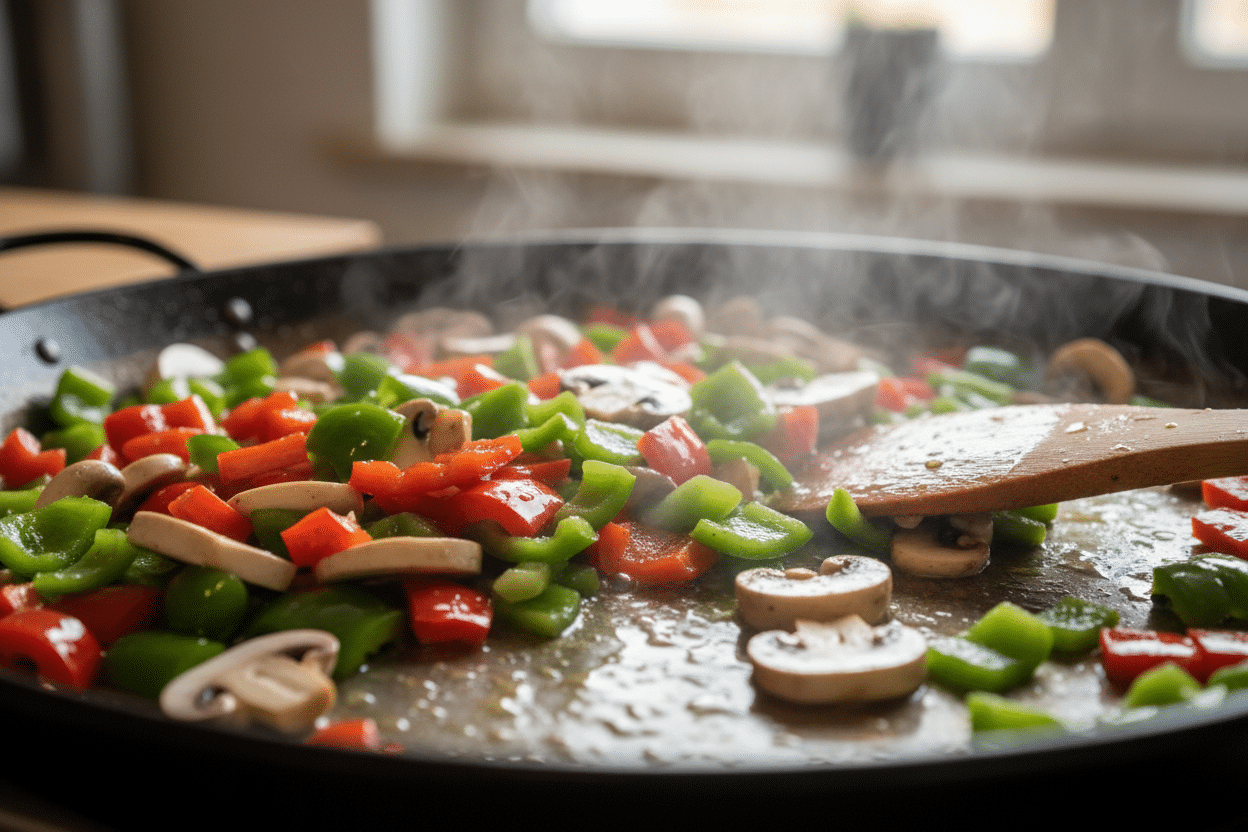
The sofrito is the soul of your paella. In your paella pan or large skillet, heat a generous glug of olive oil over medium heat. Sauté the diced onions until translucent, about 5-7 minutes. Add the minced garlic and cook for another minute until fragrant, being careful not to burn it.
Next, add the bell peppers and green beans, cooking them until they start to soften, about 5-8 minutes. Stir in the sliced mushrooms and cook until they release their liquid and begin to brown. Finally, stir in the grated fresh tomatoes (or canned diced tomatoes) and a generous amount of smoked paprika. Cook this mixture down for about 10-15 minutes, stirring occasionally, until the tomatoes have reduced and the sauce is thick and rich. This concentrated flavor base is crucial for your saffron rice vegetables.
Simmering to Perfection
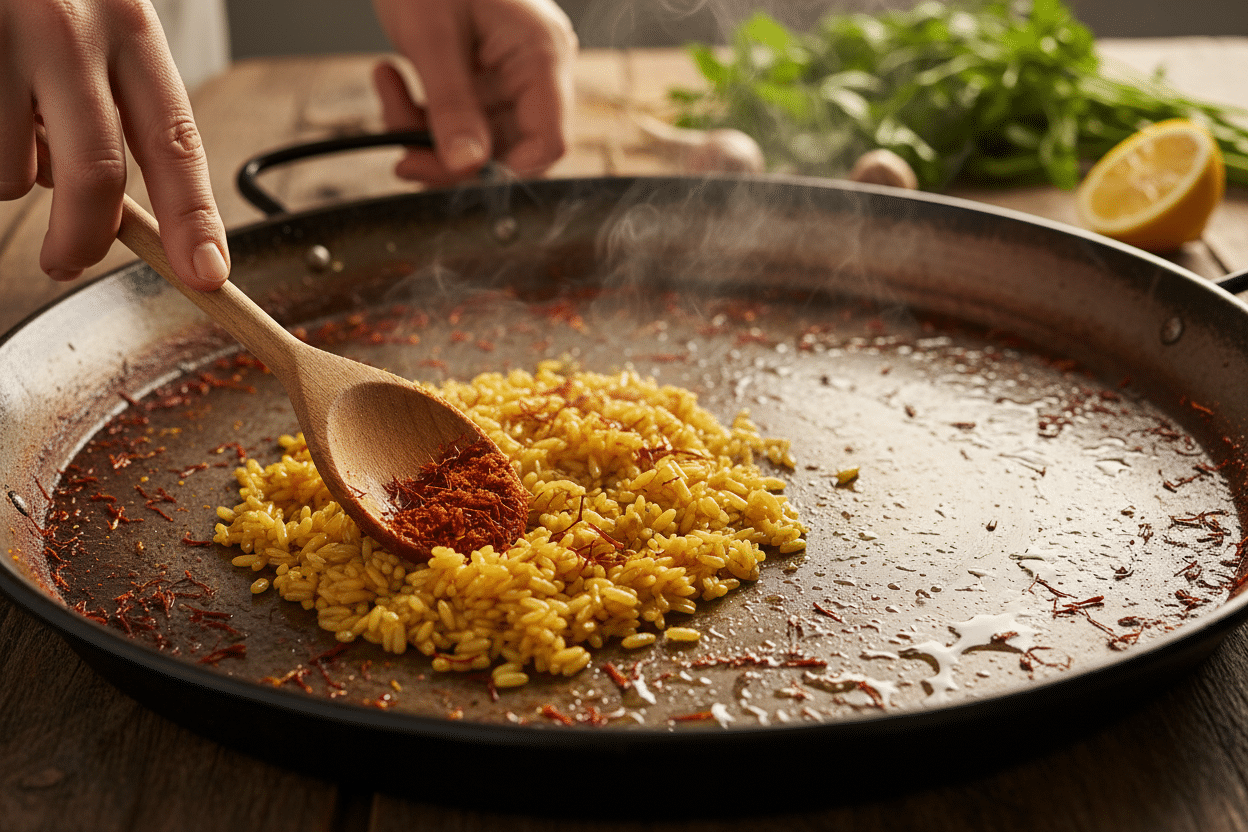
Once your sofrito is ready, it’s time for the rice. Add the Bomba (or Arborio) rice to the pan and stir it gently for about a minute, coating each grain with the rich sofrito. This step, known as ‘nacarado,’ helps to protect the rice grains.
Pour in your warm vegetable broth, ensuring it’s at a simmer when it hits the pan. Stir in the steeped saffron threads and their liquid. Give it one good stir to distribute everything evenly, then arrange your artichoke hearts attractively on top. Crucially, resist the urge to stir the rice after this point. Stirring releases starches and prevents the socarrat from forming. Bring the liquid to a gentle boil, then reduce the heat to medium-low, cover loosely with foil (if your pan doesn’t have a lid), and let it simmer for about 15-20 minutes, or until most of the liquid has been absorbed and the rice is almost cooked through.
During the last 5 minutes of cooking, scatter the peas over the top. If the rice looks dry and is still undercooked, you can add a tiny splash more hot broth around the edges, but be mindful not to drown it.
Achieving the Perfect Socarrat (Crispy Bottom)
This is the moment of truth! Once the rice looks cooked and most of the liquid is absorbed, remove the foil. Turn the heat up to medium-high for the last 2-5 minutes. You’ll hear the rice begin to sizzle and crackle at the bottom of the pan. Listen carefully; you’re trying to create a caramelized, crispy crust without burning the rice. You might even smell a toasty aroma. Don’t stir! You can gently nudge a corner of the rice with a spoon to check for browning. Once you see a lovely golden-brown crust, remove the pan from the heat.
Cover the paella tightly with a clean kitchen towel or foil and let it rest for 5-10 minutes. This allows the flavors to meld, and the rice to finish absorbing any remaining moisture, resulting in perfectly fluffy grains and a firm, crispy paella socarrat.
Pro Tips for the Best Authentic Flavor
- Use Good Quality Broth: Since this is a plant-based paella, a rich, flavorful vegetable broth is essential. Make your own or use a high-quality store-bought one.
- Don’t Rush the Sofrito: Give the vegetables time to caramelize and develop deep flavors. This is the foundation.
- Warm Broth is Key: Adding cold broth will shock the rice and stop the cooking process. Always add warm or hot broth.
- Resist Stirring: Once the rice is added and the broth poured, stop stirring! This is critical for the texture and socarrat.
- Listen for the Socarrat: Your ears are your best tool for detecting when the crispy bottom is forming.
- Season Appropriately: Taste your broth before adding it to the rice and adjust salt as needed. The rice will absorb the seasoning.
“The secret to a truly great paella, whether with meat or meatless, lies in patience and allowing the ingredients to speak for themselves. The socarrat isn’t just a texture; it’s a testament to good technique and a love for the dish.” – Chef Isabella Rodriguez
Serving Suggestions and Wine Pairings
Serve your beautiful easy vegetable paella directly from the pan at the center of your table, garnished with fresh parsley and lemon wedges. The bright acidity of lemon cuts through the richness and adds a wonderful zesty finish. A simple green salad with a light vinaigrette makes for a perfect accompaniment.
For wine pairings, opt for something crisp and refreshing. A dry Spanish Albariño or Verdejo would be an excellent choice, complementing the vibrant flavors without overpowering them. If you prefer red, a light-bodied Grenache or a young Tempranillo would also work beautifully, especially if your paella has earthier mushroom notes.
Frequently Asked Questions (FAQs)
Q: Can I use brown rice for paella?
A: While you theoretically could, it’s not recommended for an authentic paella. Brown rice has a different texture and cooking time, and it won’t absorb the flavors or develop the signature socarrat in the same way as traditional short-grain white rice like Bomba. Stick to Bomba or Arborio for the best results.
Q: My paella is sticky, what went wrong?
A: The most common culprit for sticky paella is over-stirring the rice after the broth has been added. This releases starch, leading to a creamy, risotto-like texture instead of distinct grains. Using the wrong type of rice (e.g., long-grain) or too much liquid can also contribute to stickiness. Remember: once the broth is in, no more stirring!
Q: How do I know if the socarrat is forming without lifting the rice?
A: Listen for it! You’ll hear a distinct crackling and sizzling sound coming from the bottom of the pan as the liquid evaporates and the rice starts to caramelize. You can also try to smell for a toasted, nutty aroma. If you’re unsure, very gently use a spoon to peek at the edge of the pan. Trust your senses!
Q: Can I make this paella ahead of time?
A: Paella is best enjoyed fresh, directly from the pan. The texture of the rice, especially the socarrat, will suffer if made too far in advance and reheated. However, you can prep all your vegetables and make the sofrito base a day ahead. Store them separately in the refrigerator, then combine them on cooking day for a quicker meal.
We hope this guide inspires you to create your own delicious, vibrant, and utterly satisfying vegetable paella. It’s a journey of flavor, texture, and tradition that’s well worth undertaking. Happy cooking!
For more delicious plant-based recipes and culinary inspiration, be sure to follow our Facebook page: https://www.facebook.com/profile.php?id=61568538666337
Easy Spanish Vegetable Paella
Ingredients
- 1 cup Bomba or Arborio rice Short-grain rice is essential for absorbing the broth properly.
- 1 pinch Saffron threads Crushed and soaked in warm water.
- 2 tbsp Olive oil Extra virgin preferred.
- 1 medium Onion Finely diced.
- 1 medium Red bell pepper Sliced into strips.
- 1 medium Green bell pepper Sliced into strips.
- 1 cup Mushrooms Cleaned and sliced.
- 1/2 cup Green peas Fresh or frozen.
- 2 tsp Smoked paprika Sweet or hot, based on preference.
- 3 cups Vegetable broth Warm broth helps cook the rice evenly.
- 1 tsp Salt Adjust to taste.
Instructions
- Heat the olive oil in a wide paella pan or a large skillet over medium heat.
- Add the diced onion, red bell pepper, green bell pepper, and sliced mushrooms. Sauté for 5-7 minutes until the vegetables have softened.
- Stir in the smoked paprika, saffron threads, and rice. Toast the rice for 1-2 minutes, stirring continuously to coat the grains.
- Pour the warm vegetable broth into the pan and season with salt. Gently stir once to distribute the ingredients evenly, then bring the mixture to a steady simmer.
- Reduce the heat to medium-low. Sprinkle the green peas evenly over the top of the paella. Do not stir the rice from this point forward. Let it cook undisturbed for 20 minutes, or until the liquid is fully absorbed and the rice is tender.
- Turn off the heat and cover the pan lightly with a clean kitchen towel. Let the paella rest for 5 minutes before serving to allow the flavors to meld and the texture to perfect.
For more daily recipes and tips, follow us on Facebook!
Click here to join our community!