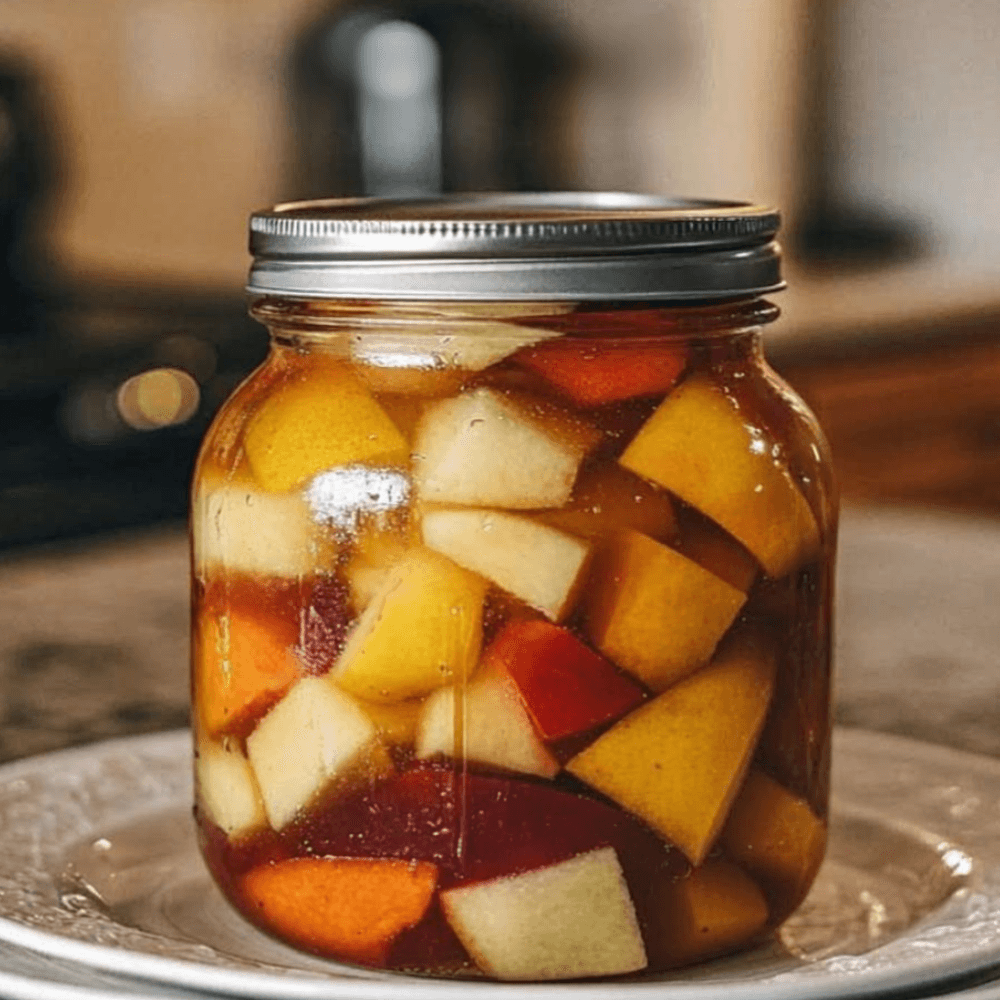
Imagine a treasure chest of summer and autumn’s finest fruits, slowly macerating in a bath of rich, high-proof rum, transforming into a symphony of flavors that will warm your soul through the chilly months. This, my friends, is the magic of German Rumtopf – a beloved, traditional European preserve that captures the essence of the harvest in a beautiful, delicious way. Forget fleeting pleasures; this authentic rum pot is a testament to patience, tradition, and the sheer joy of creating something truly special. It’s more than just a rum soaked fruit dessert; it’s a culinary journey that begins in spring and culminates in a festive Christmas rumtopf, ready to elevate any holiday dessert topping.
What is a Rumtopf?
At its heart, a Rumtopf is a German fruit preserve where seasonal fruits are layered in a special ceramic pot, each addition doused generously with high-proof dark rum and sugar. The name itself, “Rumtopf,” literally translates to “rum pot,” perfectly describing this unique method of fruit preserved in alcohol. It’s a living preserve that evolves over months, with new fruits added as they come into season. The rum acts as a natural preservative, while the sugar draws out the fruit’s juices, creating a rich, flavorful syrup that melds beautifully with the spirit. The result is a deeply complex, intensely fruity concoction that is both sophisticated and wonderfully nostalgic, making it a spectacular holiday dessert topping.
The History of the German Rum Pot
The tradition of preserving fruits in alcohol, particularly rum, has deep roots in German and other European cultures. Historically, it was a practical way to enjoy the bounty of summer long after the harvest had ended, particularly before modern refrigeration. Farmers and homemakers would carefully gather their freshest fruits, knowing they could extend their deliciousness well into winter. The Rumtopf became a household staple, a sign of preparation and foresight. Over centuries, it evolved from a necessity into a cherished ritual, often started in spring and carefully tended until the festive season. The reveal of the finished Rumtopf became a highlight of winter gatherings, especially around Christmas, where it served as a decadent Christmas rumtopf, a true symbol of traditional European preserve-making.
Best Fruits to Use for Rumtopf
The beauty of a German Rumtopf lies in its seasonal progression of fruits. It’s an ongoing project that celebrates the changing seasons. The key is to use fresh, ripe, and unblemished fruits. Avoid any fruit that is bruised or overripe, as this can spoil the entire pot.
Summer Fruits (Strawberries, Cherries)
The Rumtopf journey typically begins in late spring or early summer with the arrival of vibrant berries. These initial additions set the stage for the flavors to come.
- Strawberries: Begin with firm, sweet strawberries, hulled and quartered if large. They lend a beautiful sweetness and a delicate blush to the rum.
- Cherries: Sweet cherries, pitted, are another fantastic early addition. They contribute a rich, dark fruit note that deepens over time.
- Other Summer Gems: Raspberries, blueberries, and red currants can also be added, but be gentle as they are quite delicate. Avoid blackberries, as their tiny seeds can become unpleasant in the preserve.
Remember to always add an equal weight of sugar to the fruit, and then cover it completely with high-proof dark rum.
Autumn Fruits (Plums, Pears)
As summer transitions to autumn, new layers of flavor are introduced, adding depth and complexity to your authentic rum pot.
- Plums: Halved and pitted plums (like Italian prune plums or greengages) are excellent. They offer a lovely tartness and firmness that stands up well to the rum.
- Pears: Firm, slightly under-ripe pears (such as Bartlett or Bosc), peeled, cored, and cut into chunks, are a wonderful addition. Their subtle sweetness and texture become incredibly tender and flavorful.
- Other Autumn Additions: Apricots (halved and pitted), peaches (peeled, pitted, and sliced), and nectarines can also be used. Always ensure they are firm enough not to turn mushy.
As with summer fruits, add sugar proportional to the new fruit, and ensure the entire batch is submerged under high-proof dark rum. This layering process is what makes a German Rumtopf truly unique.
The Importance of High-Proof Rum (54% ABV)
When making a German Rumtopf, the quality and proof of your rum are paramount. This isn’t the time for your inexpensive mixing rum. You need a high-proof dark rum, ideally with an alcohol by volume (ABV) of 54% or higher.
“The higher proof rum is essential for two main reasons: effective preservation and deep flavor extraction. Anything less than 54% ABV risks spoilage and won’t develop the rich, complex profile synonymous with a true German Rumtopf.”
The elevated alcohol content acts as a powerful preservative, inhibiting bacterial growth and ensuring your fruit preserved in alcohol remains safe and delicious for months, even years. Furthermore, the higher proof efficiently extracts the vibrant flavors and aromas from the fruits, creating that unmistakable depth in your rum soaked fruit dessert. A good quality, dark rum also brings its own notes of caramel, vanilla, and spice, which beautifully complement the fruits. Do not skimp on this ingredient; it is the backbone of your authentic rum pot.
Step-by-Step Guide to Making Rumtopf
Embarking on your German Rumtopf journey is a rewarding experience that requires patience and adherence to a few key steps.
- Acquire Your Pot: Start with a traditional ceramic Rumtopf pot, often glazed on the inside. Alternatively, a large, clean, non-reactive stoneware crock or glass jar with a tight-fitting lid will suffice. Sterilize it thoroughly.
- First Fruit Layer (Spring/Early Summer): When the first summer fruits (strawberries, cherries) are in season, hull/pit them, weigh them, and add them to the pot.
- Sugar It Up: Add an equal weight of granulated sugar over the fruit. For example, if you have 500g of strawberries, add 500g of sugar.
- Rum Time: Pour enough high-proof dark rum (54% ABV or higher) over the fruit and sugar to completely cover everything by at least one inch. The fruit will float, so use a clean plate or a plastic bag filled with water as a weight to keep it submerged.
- Seal and Store: Cover the pot tightly with its lid and store it in a cool, dark place (like a pantry or cellar). Do not refrigerate.
- Continue the Process (Throughout Seasons): As new fruits come into season (apricots, peaches, plums, pears, etc.), prepare them (peel, pit, slice), weigh them, add them to the pot with an equal weight of sugar, and then top up with more high-proof dark rum to ensure all fruit is submerged. Remember to maintain the one-inch rum layer.
- Patience is Key: Resist the urge to open the pot frequently. Let the fruits and rum mingle and mature for a minimum of 6-8 weeks after the final fruit addition, though longer aging (3-6 months) yields a much richer, more complex Christmas rumtopf.
Spices and Flavor Variations
While a classic German Rumtopf relies purely on fruit, sugar, and rum, a touch of creativity can elevate your rum soaked fruit dessert even further. These additions can infuse subtle undertones that complement the fruit and rum beautifully.
- Vanilla: A whole vanilla bean, split lengthwise and tucked into the pot, will impart a warm, aromatic sweetness.
- Cinnamon: One or two cinnamon sticks can add a hint of warming spice, especially welcome in a Christmas rumtopf.
- Citrus Zest: A few strips of orange or lemon zest (avoiding the bitter white pith) can brighten the flavors and add a fragrant lift.
- Almond Extract: A small amount of pure almond extract (a teaspoon or two for a large pot) can enhance the stone fruit flavors. Add this towards the end of the aging process.
Remember, these are optional additions, and it’s best to start with a minimal amount. You want to enhance the natural flavors, not overpower them. The authentic rum pot is glorious in its simplicity, but these variations offer a delightful twist.
How to Serve Your Rum Soaked Fruit
After months of patient waiting, the moment arrives to savor your homemade German Rumtopf. This versatile rum soaked fruit dessert is truly a treasure, perfect for holiday gatherings or a special treat on a cold evening.
- With Ice Cream: The absolute classic pairing! Spoon the rich fruit and syrup over a scoop of vanilla bean ice cream. The cold creaminess provides a delightful contrast to the warm, boozy fruit.
- Over Cake or Waffles: Drizzle Rumtopf over pound cake, sponge cake, or warm waffles for an instant gourmet upgrade. It transforms a simple dessert into a spectacular holiday dessert topping.
- Alongside Meats: Surprisingly, a little Rumtopf can be a fantastic accompaniment to rich beef roasts. The sweet, tangy, and boozy fruit cuts through the richness, offering a sophisticated contrast.
- In Cocktails: The syrup from the Rumtopf is incredibly flavorful and can be used to make unique cocktails. Muddle some of the rum soaked fruit into a drink for an extra kick.
- On its Own: For the purists, a small bowl of Rumtopf on its own is a sublime experience, allowing you to fully appreciate the complex layers of fruit and high-proof dark rum.
Whether you’re hosting a festive celebration or simply enjoying a quiet moment, your traditional European preserve is ready to shine.
Storage and Aging Tips
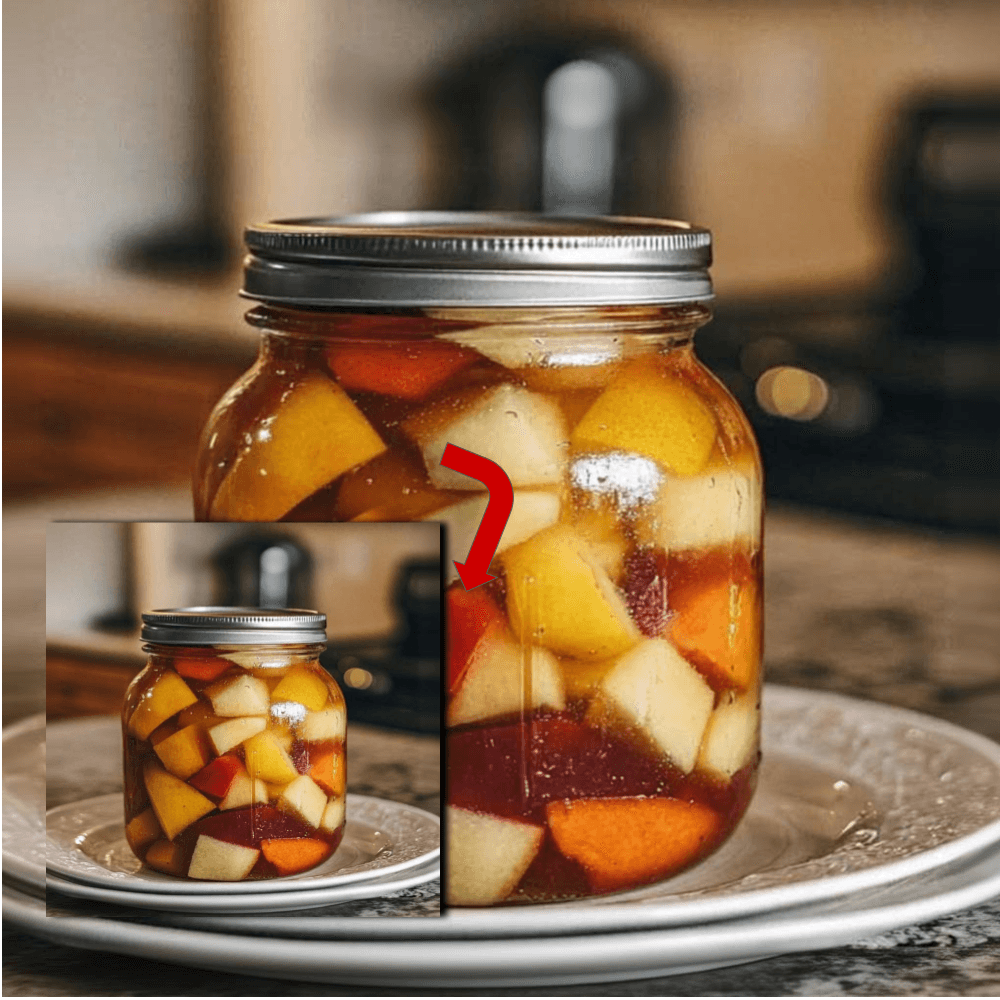
Proper storage is crucial for the success and longevity of your German Rumtopf. Think of it as an ongoing project that benefits greatly from time.
- Cool, Dark Place: Always store your Rumtopf in a cool, dark place, such as a pantry, cellar, or cupboard. Direct sunlight and fluctuating temperatures can compromise the quality and safety of your fruit preserved in alcohol.
- Tight Seal: Ensure your pot or jar has a tight-fitting lid to prevent evaporation of the rum and exposure to air.
- Keep Submerged: The golden rule of Rumtopf is to always keep the fruit completely submerged under the rum. Any fruit exposed to air risks mold and spoilage. Use a weighted plate or a clean plastic bag filled with water if needed.
- Aging for Flavor: While you can technically start enjoying your Rumtopf 6-8 weeks after the final fruit addition, the flavors truly develop and meld after 3-6 months. Many connoisseurs wait until Christmas to open their Christmas rumtopf, finding the patience richly rewarded.
- Longevity: Properly made and stored, a Rumtopf can last for years. The high-proof dark rum acts as an excellent preservative.
With these tips, your authentic rum pot will be a source of delicious joy for a long time.
Frequently Asked Questions
Here are some common questions about making and enjoying this wonderful traditional European preserve:
What kind of rum is best for Rumtopf?
The best rum for German Rumtopf is a high-proof dark rum, ideally 54% ABV or higher. This ensures proper preservation and allows for the best flavor development.
How long does Rumtopf need to age?
Rumtopf needs to age for a minimum of 6-8 weeks after the final fruit addition. However, for optimal flavor and complexity, allow it to age for 3 to 6 months. Many people start it in spring and enjoy it as a Christmas rumtopf.
Can I use fresh fruit only, or can I use frozen?
It’s best to use fresh, ripe, and unblemished fruit for Rumtopf. Frozen fruit can release too much water upon thawing, diluting the rum and potentially affecting the preservation process and final texture.
What should I do if my fruit isn’t fully submerged in rum?
If your fruit isn’t fully submerged, immediately add more high-proof dark rum until it is covered by at least one inch. You can also use a clean, non-reactive weight (like a small plate or a food-grade plastic bag filled with water) to keep the fruit pressed down below the rum level.
How long does Rumtopf last once opened?
Once opened, if kept refrigerated, a Rumtopf can last for several months. However, for the best flavor and quality, it’s generally recommended to consume it within 2-3 months after opening, ensuring it remains a delightful rum soaked fruit dessert.
Making your own German Rumtopf is a rewarding culinary adventure that connects you to generations of European tradition. It’s an exercise in patience, a celebration of seasons, and ultimately, a delicious reward. The rich, boozy fruit preserved in alcohol is a testament to simple ingredients transformed into something extraordinary. So gather your fruits, choose your high-proof dark rum wisely, and embark on creating your very own authentic rum pot. Your taste buds will thank you, especially when winter rolls around and you have a ready supply of this spectacular holiday dessert topping.
For more traditional recipes and delightful culinary journeys, be sure to follow us on Facebook: Our Delicious Adventures. Come join our community of food lovers!
Traditional German Rumtopf
Ingredients
- 4 cups Mixed fresh fruits chopped (strawberries, peaches, cherries, plums)
- 2 cups Sugar 400 g
- 3 cups Dark rum at least 54% alcohol, enough to cover fruit
Instructions
- Layer the chopped mixed fruit and sugar in a large, clean glass jar or traditional ceramic rumtopf crock.
- Pour the dark rum over the mixture, ensuring the fruit is completely submerged by the alcohol to prevent spoiling.
- Seal the container tightly and store in a cool, dark place for at least 1 month, or traditionally up to 6 months.
- Serve the preserved fruit and rum syrup as a rich topping for ice cream, pound cake, or waffles.
For more daily recipes and tips, follow us on Facebook!
Click here to join our community!